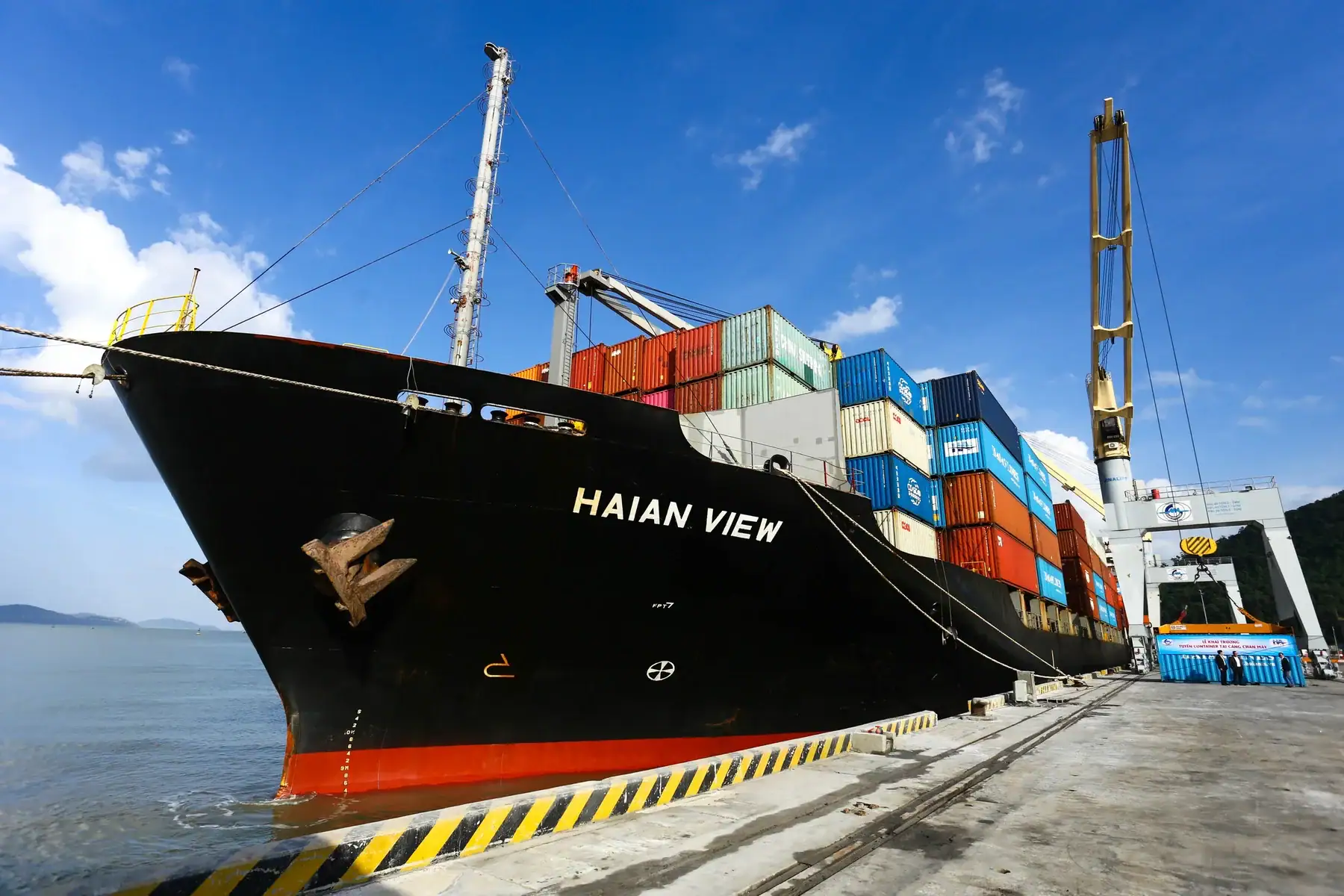
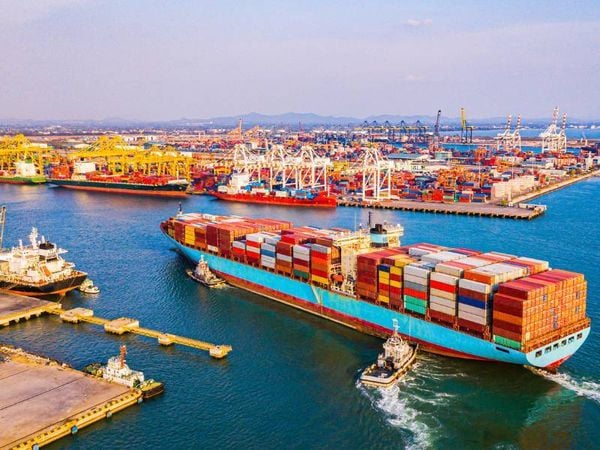
Cat Lai Port receives and processes thousands of import-export containers every day. Given the sheer cargo volume and strict control procedures, even a minor error during customs declaration can waste considerable time, trigger storage and demurrage charges, and even lead to penalties under the applicable regulations.
Many businesses, especially those new to import-export activities, frequently run into mistakes that seem simple but end up delaying clearance. Understanding the most common errors and how to avoid them helps optimize the customs process, cut costs, and boost logistics efficiency. Below are the 10 common mistakes when clearing customs at Cat Lai Port that businesses need to watch out for.
1. Incorrect HS Code Declaration
This is a common mistake and a leading cause of tax reassessments or penalties for many businesses. The HS code determines:
- The import duty rate.
- The goods management policy.
- Specialized inspection requirements.
- Import-export conditions.
If the wrong HS code is applied, a business may have to amend the declaration, pay additional duties, or face a post-clearance audit.
How to fix it
- Consult the latest import-export tariff schedule.
- Prepare catalogues or technical documentation.
- Seek expert advice when the goods have a complex composition.
2. Incomplete Goods Description
Many businesses only record the trade name, such as:
- Motor.
- Plastic.
- Chemical.
Customs authorities, however, require a clear description of:
- The product name.
- Its function.
- The material.
- The model.
- Technical specifications (if any).
An incomplete description easily leads to requests for clarification or a physical inspection.
3. Inconsistent Documentation
One of the most common errors is inconsistent information across documents. For example:
- The invoice states 500 packages while the packing list shows 480.
- Incorrect weight.
- Incorrect container number.
- Incorrect seal number.
- Incorrect consignee name.
Such discrepancies can cause the declaration to be flagged for amendment or moved to a detailed inspection.
How to fix it
Cross-check all documents before declaring:
- Commercial Invoice.
- Packing List.
- Bill of Lading.
- Foreign trade contract.
- C/O (if any).
4. Missing Customs Documents
Many businesses prepare only the basic documents and forget:
- The import license.
- The quarantine certificate.
- The quality certificate.
- The declaration of conformity dossier.
- The technical catalogue.
This leaves the goods short of the requirements for clearance.
How to fix it
Build a checklist for each type of goods before opening the declaration.
5. Incorrect Customs Value Declaration
The customs value is the basis for calculating duties. Some common errors are:
- Omitting freight charges.
- Omitting insurance costs.
- Applying the wrong Incoterms.
- Incorrect unit prices.
As a result, a business may face tax reassessment and penalties.
6. Failing to Check the Goods Policy
Not every product can be imported or exported under the same procedure. Some goods require:
- An import license.
- Quality inspection.
- Quarantine.
- A declaration of conformity.
- A food safety certificate.
Without checking in advance, a business will lose a lot of time supplementing the dossier once the goods have already arrived at the port.
7. Late Tax Payment
Once the declaration is accepted, the business must settle its taxes as required. Paying late can lead to:
- Goods not being cleared.
- Storage charges accruing.
- Delivery delays.
- Higher logistics costs.
How to fix it
- Register for electronic tax payment.
- Arrange the funds before the goods arrive at the port.
- Monitor the payment status regularly.
8. Not Monitoring the Channel Classification Result
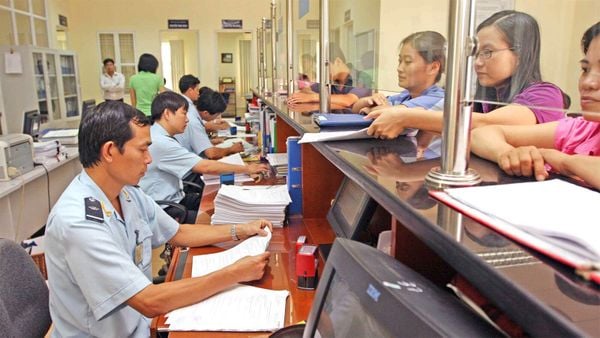
After declaring, businesses often grow complacent and fail to check the channel classification result. If a declaration lands in the yellow or red channel and the dossier is not supplemented or the physical inspection is not booked in time, clearance will drag on.
How to fix it
Track the declaration status continuously until the goods are fully cleared.
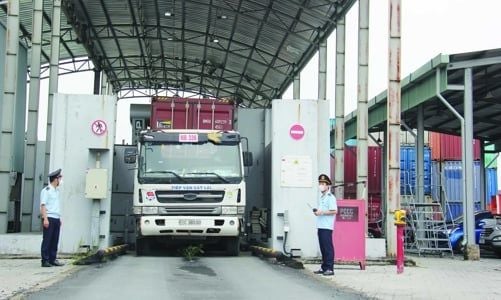
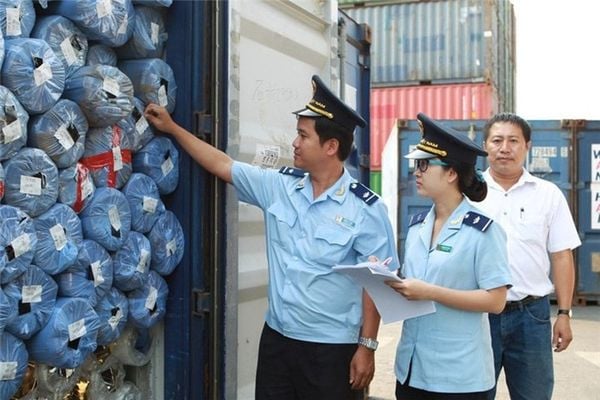
9. Not Preparing for Physical Inspection
When goods are classified into the red channel, many businesses:
- Fail to prepare the catalogue.
- Have no one in charge.
- Fail to position the container correctly.
- Lack documentation.
This prolongs the inspection and adds further costs.
How to fix it
Prepare a complete dossier and coordinate closely with both customs officers and the port operator.
10. Not Retaining Documents After Clearance
Once the goods have been received, many businesses fail to keep a complete set of documents. Meanwhile, customs authorities may conduct a post-clearance audit at any time as permitted by law.
Businesses should keep: the customs declaration, invoice, packing list, bill of lading, contract, C/O, payment documents, specialized inspection records, and so on. Keeping complete records makes it far easier to provide explanations when needed.
Tips for Fast Customs Clearance at Cat Lai Port
To minimize errors, businesses should:
- Prepare a complete dossier before the goods arrive at the port.
- Declare the correct HS code.
- Carefully verify the information on every document.
- Apply for specialized licenses early.
- Monitor the channel classification result regularly.
- Pay taxes on time.
- Keep complete records.
- Work with an experienced customs service provider.
When Should You Hire a Customs Service?
Businesses should use a customs service when they:
- Are just starting out in import-export.
- Have no dedicated staff.
- Handle goods subject to specialized management.
- Need urgent clearance.
- Have many shipments or complex goods.
A professional service provider will support you from checking documents and filing declarations to handling yellow- and red-channel cases, right through to when the goods are cleared.
Conclusion
Mistakes made during customs clearance at Cat Lai Port not only slow down the clearance timeline but can also generate many unnecessary costs. Preparing a complete dossier, declaring accurately, and staying up to date on new regulations before opening a declaration will help minimize risk.
For businesses that import and export regularly or handle goods with special requirements, partnering with a professional customs service provider is an effective way to optimize the process, ensure fast clearance, and strengthen market competitiveness.
We are committed to delivering the most effective solutions that save time, cut costs, and minimize risks throughout the customs clearance process at Cat Lai Port. Contact Embassy Freight now via Hotline: 0936911656 for the fastest consultation and quote!
Need a quote for shipping & import-export procedures?
Embassy Freight provides ocean freight, air freight, customs clearance, and full-service import-export back-office solutions. Get a free quote or explore our services.