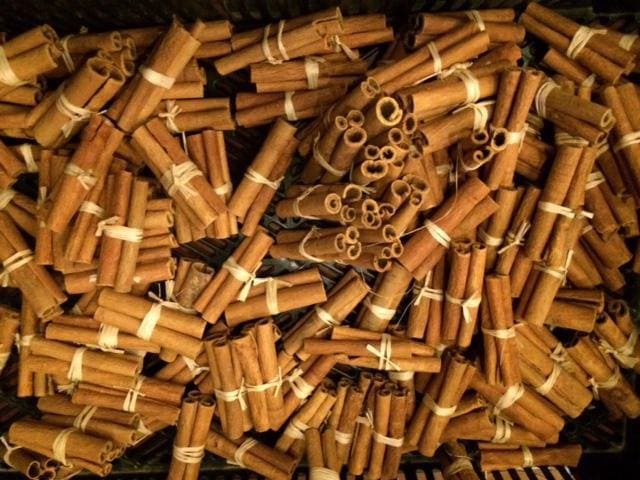
Standards for Exporting Cinnamon?
Export cinnamon standards are a set of technical regulations and requirements established to ensure the quality and safety of cinnamon exported from one country to international markets. These standards typically cover factors such as taste, aroma, moisture content, ash content, and other requirements to ensure the product meets the criteria needed for the export market.
Specifically, the national standard TCVN 3230:1990 on export cinnamon is one of the documents that regulate the quality of cinnamon during export. This document addresses factors such as taste, aroma, cinnamon bark moisture, ash content, and other important criteria.
In addition, the Vietnamese standard TCVN 3230:1979 is also an important document relating to export cinnamon. This document addresses technical requirements and regulations related to the quality of export cinnamon.
To ensure compliance with and enforcement of these standards, businesses that grow, harvest, and process cinnamon generally have to carry out inspection, quality-control, and compliance procedures for specific regulations. This ensures that the cinnamon product meets the criteria needed to be exported safely and effectively.
>>>See Also: Standards, Quarantine and Procedures for Exporting Fresh Ginger 2023
Quality Inspection Process for Export Cinnamon
The quality inspection process for cinnamon during export generally involves a number of basic steps to ensure the product meets the necessary standards and technical requirements. Below are some of the steps commonly carried out:
- Harvesting and processing: Cinnamon is harvested and processed through a scientific process, from seedling to finished product. This process must be carried out carefully to ensure the cinnamon is not damaged or contaminated during harvesting and processing.
- Checking taste and aroma: One of the important factors in cinnamon quality inspection is taste and aroma. Experts typically check the sweetness, bitterness, spiciness, and fragrance of the product to ensure they meet the prescribed standards.
- Checking moisture content: The moisture content of cinnamon is also an important factor. The product should not have moisture that is too high or too low, as this can affect the quality and shelf life of the cinnamon.
- Checking ash content: The ash content of cinnamon also needs to be checked to ensure the product does not have an ash content that is too high, which would affect quality and food safety.
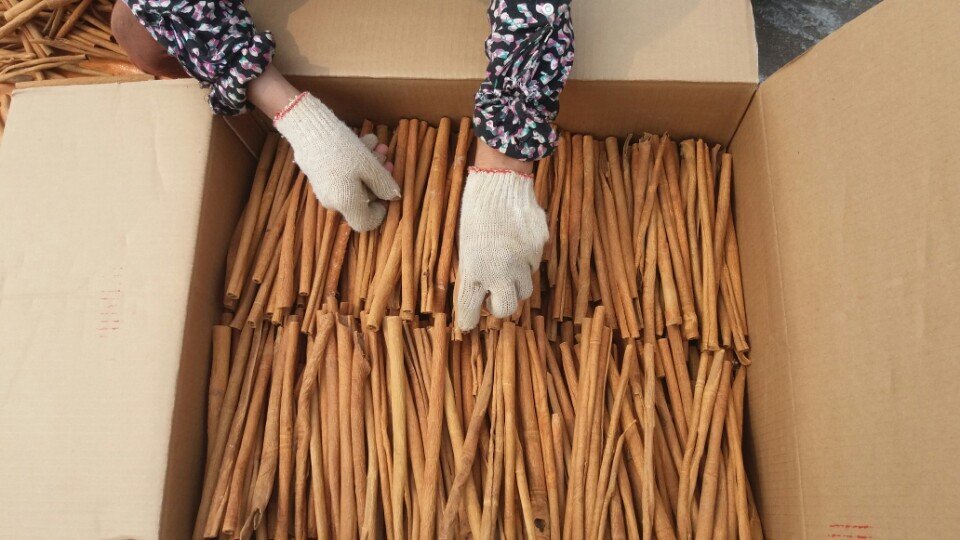
- Packaging and preservation: Cinnamon needs to be carefully packaged to protect it from external effects and maintain product quality. Preservation is also an important factor in ensuring the cinnamon does not become damp or contaminated during transport and storage.
- Legal and documentary checks: Before cinnamon is exported, the related documents and papers need to be checked to ensure compliance with the export and import regulations of the destination country.
These steps help ensure that export cinnamon meets quality and food safety standards, thereby building trust among export markets and consumers.
Export-Standard Cinnamon Growing Regions in Vietnam
Cinnamon is an important crop in Vietnam and is exported to many international markets. Vietnam is one of the world's leading producers and exporters of cinnamon, behind Indonesia and China. Export-standard cinnamon growing regions in Vietnam are concentrated in several provinces such as Lao Cai, Yen Bai, and Quang Nam. These provinces account for about 70% of the country's total cinnamon-growing area.
Cinnamon output in Vietnam reaches a set level, typically 70,000 to 80,000 tonnes per year. This is an important source of income for many farming households and businesses involved in growing and processing cinnamon. Cinnamon is not only grown for the domestic market but is also exported to many different markets.
A number of companies and organizations have cooperated to develop cinnamon growing regions according to organic and sustainable standards. Developing organic cinnamon can help enhance product value and expand export opportunities to markets that require organic products.
Cinnamon Yield in Lao Cai, Yen Bai, and Quang Nam
In Vietnam, cinnamon yield in provinces such as Lao Cai, Yen Bai, and Quang Nam plays an important role in agriculture and exports. These three provinces focus on producing cinnamon to export standards, meeting the demand of the international market.
The cinnamon-growing area in Lao Cai is about 53,300 hectares, Yen Bai has a growing area of about 81,000 hectares, and Quang Nam has about 15,000 hectares. Together, these three provinces account for about 70% of the country's total cinnamon-growing area. Efforts to build sustainable, export-standard cinnamon growing regions are underway, aiming to create high-quality, safe products that meet demanding market requirements.
Maintaining and improving cinnamon yield is an important goal, helping to boost income for farmers and contribute to the economic development of cinnamon-growing provinces. Alongside increasing yield, developing cinnamon according to organic and sustainable standards is also an important direction. Organic cinnamon products not only bring higher economic value but also reflect a focus on protecting the environment and consumer health.
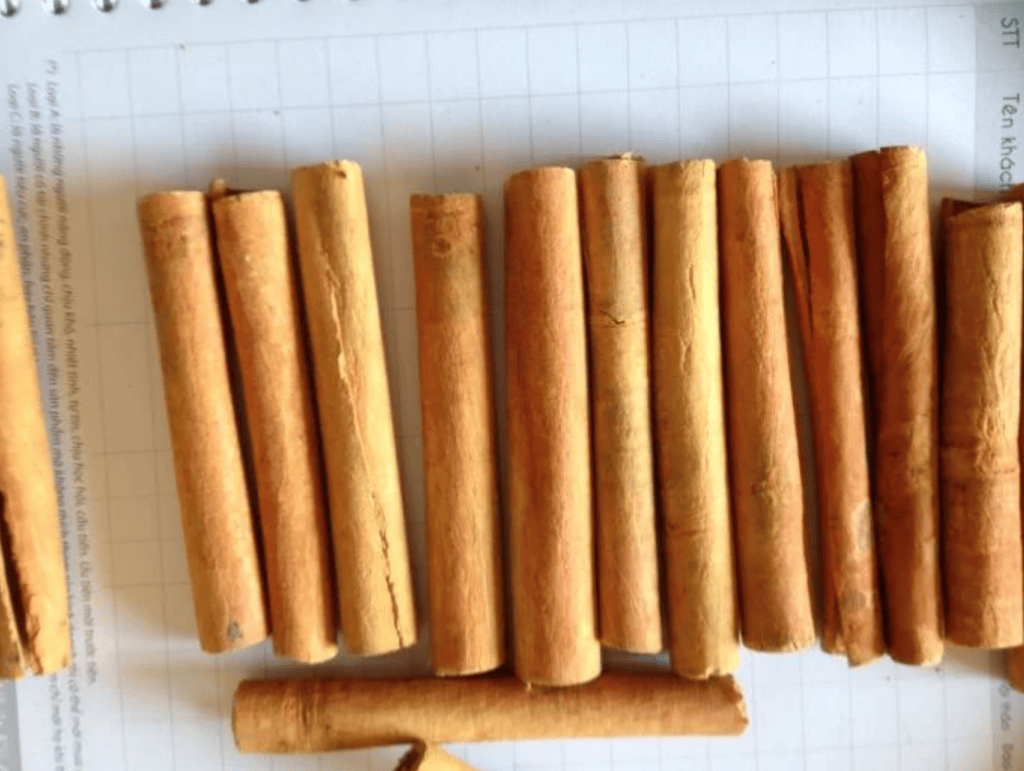
Phytosanitary Inspection of Cinnamon
Phytosanitary inspection of cinnamon is an important process in the field of plant protection and international trade. Phytosanitary inspection is the process of examining, assessing, and monitoring imported or exported plant products to ensure they do not carry pests, bacteria, or potential hazards harmful to crops and the environment.
In the case of cinnamon, the phytosanitary inspection process ensures that this product does not contain disease agents or pests that could spread to other crops upon import or export. The main steps in the cinnamon phytosanitary inspection process include:
- Register for quarantine: The cinnamon exporter needs to register for phytosanitary inspection with the local or national plant quarantine authority.
- Inspect the product: Cinnamon products will be inspected by phytosanitary experts to determine the presence of pests, bacteria, or other signs of infection.
- Testing and analysis: Product samples may be collected for testing and analysis in a laboratory to accurately check for potential hazards.
- Issue quarantine certificate: If the product meets quarantine standards, a phytosanitary certificate will be issued, allowing the product to be exported or imported.
- Treatment if needed: In cases where the product does not meet quarantine standards, treatment may be required to eliminate potential hazards.
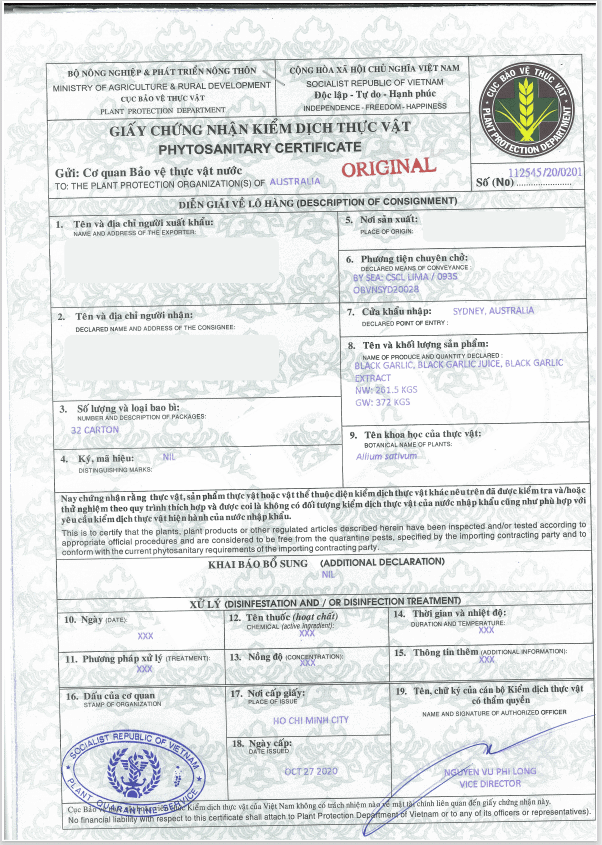
>>> See Also: Guide to Phytosanitary Inspection for Export — What Is Phyto?
Detailed Cinnamon Export Procedures 2023
The documentation and cinnamon export procedures are the necessary steps for businesses to export this product to the international market. To ensure the export process runs smoothly and avoids legal risks, businesses must fully complete the procedures required by law.
Before exporting, the business needs to prepare the export file, including the papers and documents related to the cinnamon product. The required papers include: business registration certificate, cinnamon product certificate, documents related to the means of transporting the product, sales contract, and documents related to payment.
Once the file is fully prepared, the business needs to carry out export procedures such as export registration, goods declaration, customs procedures, and payment of the fees related to exporting. Fully and accurately completing these procedures will help the business avoid legal risks and protect its interests when exporting cinnamon to the international market.
In 2023, under new regulations, businesses need to comply with a number of additional new rules on exporting cinnamon products, including preparing the file, carrying out the procedures, and meeting product quality requirements. Businesses need to update their information and ensure full compliance with the new regulations so that the export process runs smoothly and effectively.
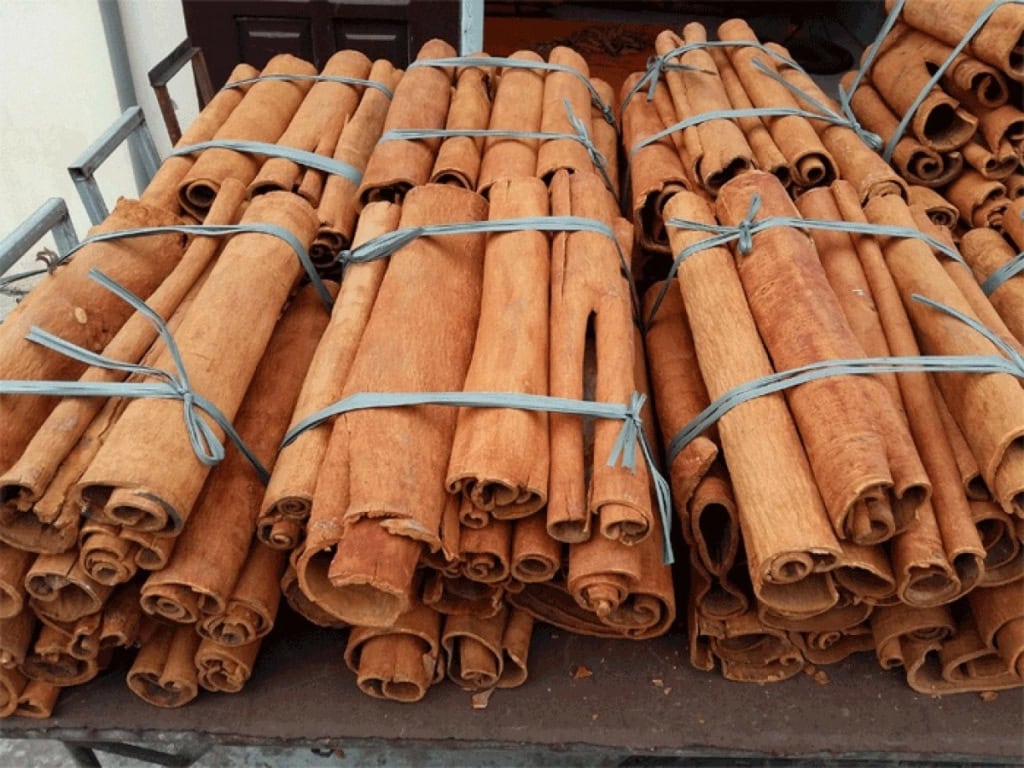
>>>See Also: All-Inclusive Import-Export Services in Ho Chi Minh City and Hanoi, Full A-to-Z Support, Cost-Saving
Regulations for Transporting Export Cinnamon
Businesses involved in cinnamon exports need to follow a number of regulations and procedures for transporting export cinnamon in order to ensure that transport and export go smoothly. When preparing the goods, businesses need to apply shipping marks to the packages to ensure that transport and customs procedures go smoothly. Cinnamon and star anise are popular spice ingredients in many countries such as India, Bangladesh, and some Middle Eastern countries.
Key regulations and procedures:
- Apply shipping marks: Businesses need to apply clear shipping marks to export packages to ensure that transport and customs procedures go smoothly.
- Related documents: Documents such as the export invoice, sales contract, and other related documents need to be prepared fully and accurately.
- Phytosanitary inspection: Before transporting the export cinnamon shipment, the business needs to register phytosanitary inspection for the shipment with the plant quarantine authority.
- Labeling and product information: Export cinnamon must have labels clearly stating information such as weight, place of production, and quality inspection.
- Legal policy: Businesses need to comply with the legal policy on exporting cinnamon and star anise, including regulations on agricultural exports.
Cinnamon Export Companies
Many businesses in Vietnam operate in the cinnamon export sector, contributing to the country's foreign-exchange earnings. Some notable cinnamon export businesses include:
- Tan Huong Company: This company consumes thousands of tonnes of agricultural products each year and has successfully exported cinnamon products to markets such as South Korea, Japan, Malaysia, Thailand, Cambodia, and many others.
- Tien Duc Technology Trading Services Joint Stock Company: This is one of the businesses processing and exporting agricultural products in Vietnam, including products such as cinnamon, star anise, nuts, and others.
- Long Thanh Phat and Binh Lieu: These are two of the largest cinnamon importers in Vietnam, making an important contribution to the supply and export of cinnamon products.
- Prosi Thang Long, Rung Xanh T & K, Olam Vietnam: These are leading businesses in cinnamon exports, with significant export volumes, contributing to the country's foreign-exchange earnings.
- Vietnam Pepper Association: This association not only represents cinnamon and pepper export businesses but is also involved in supporting and protecting the interests of the industry.
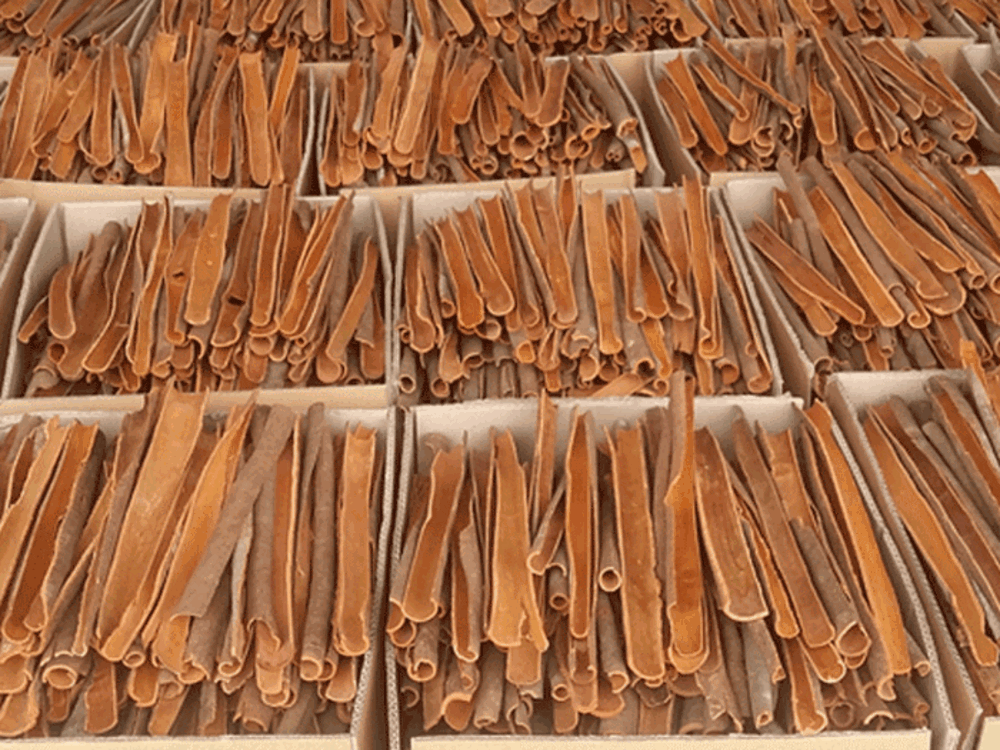
All-Inclusive Cinnamon Export Support Company (Procedures and Transport)
Embassy Freight Services (VN) is one of the leading companies in Vietnam for goods export support services, especially cinnamon exports to Europe, China, India, and more. The company provides services such as export customs procedures, packaging, and shipping cinnamon to countries around the world.
With a team of experienced and professional staff, Embassy Freight Services (VN) is committed to bringing customers high-quality goods export services, ensuring reasonable timing and cost.
The company uses modern technology and efficient working processes to ensure the goods export process runs smoothly and safely.
If you have a need to export goods, contact Embassy Freight Services (VN) for advice and support throughout your goods export process.
Benefits of Choosing Embassy Freight Services (VN) to Support Cinnamon Exports
When choosing Embassy Freight Services (VN) as your partner for cinnamon export support, you will enjoy many benefits, including:
- Top-tier service quality: With more than 20 years of experience in the transport industry, Embassy Freight Services (VN) is committed to providing high-quality goods transport services at the most competitive prices.
- Time and cost savings: We have strong relationships with freight partners around the world, helping customers save time and cost during export.
- Professional staff: Our staff are professionally trained and have extensive experience in international goods transport. We are committed to always offering the best solution for customers.
- Dedicated service: We are committed to offering the best solution for customers and always support customers throughout the goods transport process.
Contact us for advice and support throughout your international goods transport process.
Contact Information
EMBASSY FREIGHT SERVICES (VIETNAM)
Address: Room 4.25, 4th Floor, No. 8 Hoang Minh Giam, Ward 9, Phu Nhuan District, Ho Chi Minh City.
Email: info@embassyfreight.com.vn
Contact for Consultation:
- 0936911656 (HCMC) – Embassy Freight Services (VN) Southern Region
- 0937361637 (Hanoi) – Embassy Freight Services (VN) Northern Region
Further Reading:
- Applying for a C/O – Certificate of Origin Service
- Company Providing All-Inclusive Freight Service to Cambodia with Full A-to-Z Support
- All-Inclusive, Highly Affordable Used Machinery and Equipment Import Service
- Everything from A to Z on Air Compressor Import Procedures
- Electrical Cable Import Procedures – Accurate and Fast
- Legal Regulations on the Import of Plant Protection Products
- All-Inclusive Import-Export Services in Ho Chi Minh City and Hanoi, Full A-to-Z Support, Cost-Saving
- All-Inclusive Service for Importing Australian Wine into Vietnam
- Which Rust-Cleaning Solution Is Best? 5 Effective Ways to Remove Rust from Metal
- Detailed Guide to the Most Accurate Forklift Import Procedures
- Guide to Air Cooler Import Procedures
- All-Inclusive Customs Declaration Service, No Costs Beyond the Quote
- Alcohol Import Procedures – All-Inclusive Alcohol Transport & Import Service
| ✅ Customs Declaration Service: | ⭐ Fast Clearance, Good Prices, No Costs Beyond the Quote |
| ✅ Air and Sea Freight: | ⭐ Good, Competitive Rates |
| ✅ Import-Export Service: | ⭐ All-Inclusive, Good Prices |
| ✅ Experience: | ⭐ Over 22 Years of Experience |
| ✅ Additional Services: | ⭕ C/O Issuance, Import Licenses, Animal & Plant Quarantine, Crating, On-Site Import-Export & Related Documentation |
| ✅ Agents & Offices: | ⭕ Over 50 Offices and Agents in 30 Countries Worldwide |
Need a quote for shipping & import-export procedures?
Embassy Freight provides sea freight, air freight, customs declaration and full-service import-export desk rental. Get a free quote or view our services.