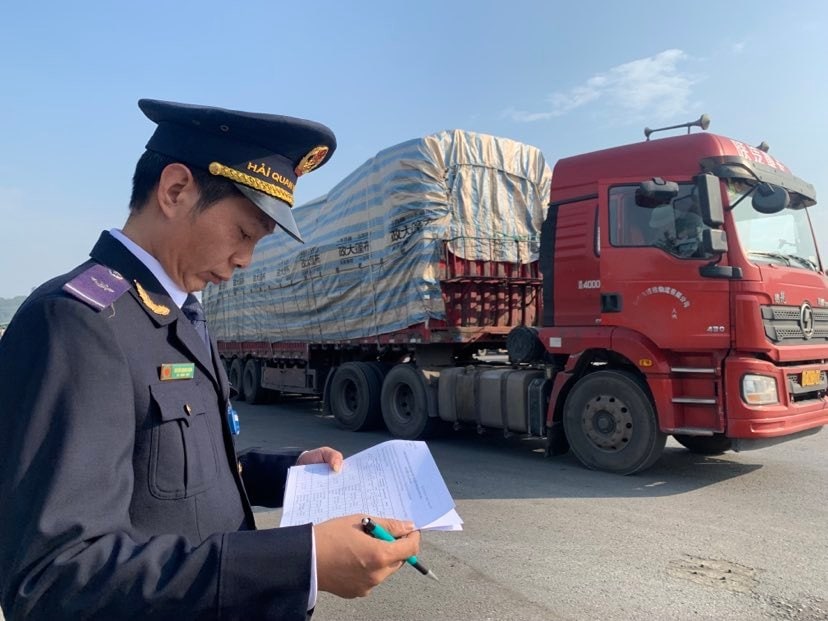
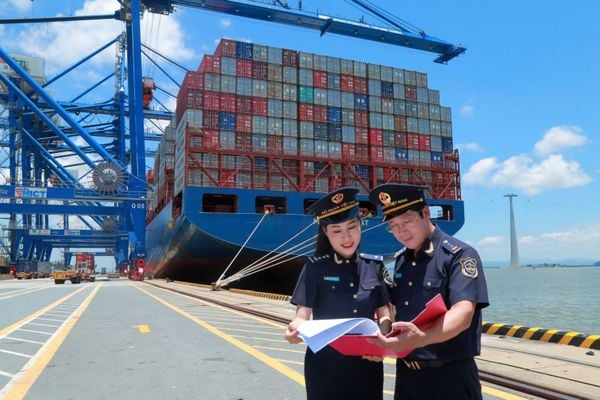
Cat Lai Port is Vietnam's largest container port, handling the bulk of import-export cargo for the southern region. Thousands of customs declarations are processed here every day, serving businesses across many fields such as manufacturing, trade, logistics, and import-export.
Because of the high cargo volume, understanding the customs procedures at Cat Lai Port helps businesses take charge of their delivery plans, limit demurrage and storage costs, and keep delivery on schedule. In this article, we provide a detailed guide to the customs clearance steps at Cat Lai Port, from dossier preparation to when the goods are cleared.
Step 1: Prepare the Customs Dossier
Before declaring, the business must prepare a complete set of documents as required. A basic dossier includes:
- The electronic customs declaration.
- The foreign trade contract (Sales Contract).
- The commercial invoice.
- The packing list.
- The bill of lading (or Air Waybill).
- The certificate of origin (C/O), if any.
- The import or export license for goods subject to specialized management.
- The catalogue or technical documentation for certain goods.
Preparing a complete dossier from the outset reduces processing time and limits the need to supplement documents.

Step 2: Check the Goods Policy
Before opening the declaration, the business needs to determine:
- The HS code.
- The duty rate.
- The management policy.
- The import or export conditions.
- Whether the goods are subject to specialized inspection.
This is a very important step because determining the wrong HS code or goods policy can lead to tax reassessment, declaration amendments, or delayed clearance.
Step 3: File the Electronic Customs Declaration
Once the dossier is complete, the business uses declaration software connected to the VNACCS/VCIS system to transmit the customs declaration. The information to declare includes:
- The goods description.
- The HS code.
- The customs value.
- The duty rate.
- The quantity.
- The weight.
- The port of loading.
- The port of discharge.
- The seller and buyer details.
If the dossier is valid, the system issues a declaration number and moves on to channel classification. The declaration process is now carried out mainly on the VNACCS/VCIS electronic customs system.

Step 4: Customs Channel Classification
After receiving the declaration, the system automatically classifies the channel.
Green Channel
- Exempt from document inspection.
- Exempt from physical inspection of the goods.
- The business only needs to settle its tax obligations to be cleared.
Yellow Channel
- Inspection of the customs dossier.
- Supplementary documents may be requested if needed.
Red Channel
- Document inspection.
- Physical inspection of the goods before clearance.
Channel classification is based on the risk management mechanism and the business's compliance history.
Step 5: Pay Taxes and Other Charges
For goods on which tax is due, the business must settle:
- Import duty.
- Value-added tax (VAT).
- Special consumption tax (if any).
- Environmental protection tax (if applicable).
- Other charges as required.
Electronic tax payment lets the system update quickly and shortens clearance time.
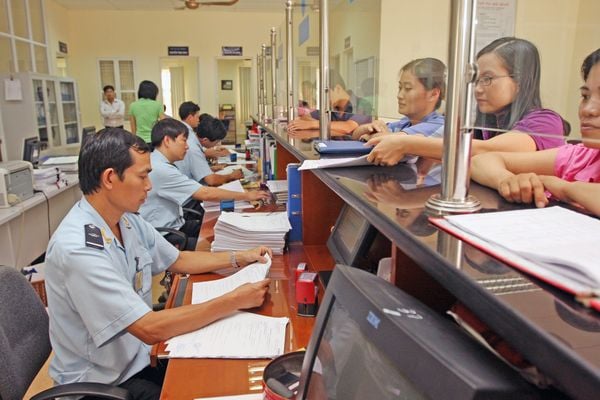
Step 6: Carry Out Specialized Inspection (If Any)
Some goods must also undergo procedures such as:
- Plant quarantine.
- Animal quarantine.
- Quality inspection.
- Food safety inspection.
- Declaration of conformity.
Businesses should prepare licenses and certificates before the goods arrive at the port to avoid waiting time.
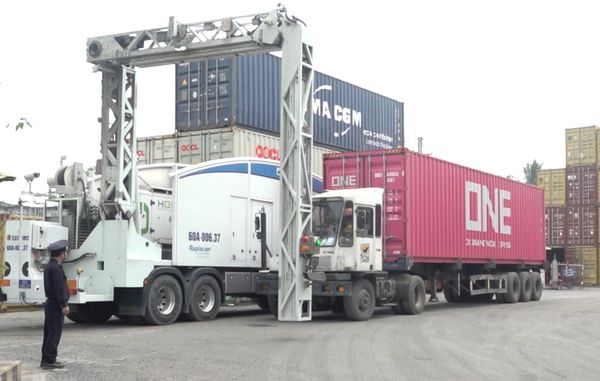
Step 7: Physical Inspection for Red-Channel Goods
If the declaration is classified into the red channel, the business needs to:
- Prepare a complete dossier.
- Book the physical inspection.
- Coordinate with customs officers.
- Open the container as required for inspection.
- Compare the actual goods against the declared content.
If no discrepancy is found, the goods proceed toward clearance.
Step 8: Clear the Goods
After completing the inspection steps and financial obligations, the system confirms clearance.
The business then:
- Receives the delivery order.
- Pays the fees at the port.
- Completes the container pick-up procedures.
- Transports the goods to the warehouse or delivers them to the customer.
Common Errors in Customs Clearance at Cat Lai Port
Some common errors that delay clearance include:
- An incorrect HS code.
- An incorrect declared value.
- A missing commercial invoice or packing list.
- An inconsistent dossier.
- A missing specialized license.
- Late tax payment.
- An incorrect container or seal number.
- Failing to prepare the specialized inspection dossier.
To limit these errors, businesses should check all documents before transmitting the declaration.
Tips for Fast Clearance
To keep customs clearance at Cat Lai Port running smoothly, businesses should:
- Prepare a complete dossier before the goods arrive at the port.
- Declare the HS code accurately.
- Carefully check the invoice, packing list, and bill of lading.
- Proactively apply for specialized licenses if needed.
- Monitor the declaration status regularly.
- Settle tax obligations on time.
- Work with an experienced customs service provider for complex shipments.
Benefits of Using a Customs Service
Using a professional customs declaration service offers several benefits, such as:
- Saving time.
- Reducing declaration errors.
- Accurate advice on HS codes.
- Support in applying for specialized licenses.
- Representation before customs authorities.
- Monitoring the clearance progress.
- Reducing extra costs caused by delayed clearance.
This is a suitable solution for new businesses or those with a large volume of import-export shipments.
Conclusion
Understanding the customs procedures at Cat Lai Port from A to Z is key to limiting risk and saving costs. From dossier preparation, electronic declaration, and channel handling to specialized inspection and completing goods collection, each step must be carried out accurately and in compliance.
For shipments with special requirements or businesses without much experience, using a professional customs service helps optimize the process, shorten clearance time, and improve logistics efficiency.
We are committed to delivering the most effective solutions that save time, cut costs, and minimize risks throughout the customs clearance process at Cat Lai Port. Contact Embassy Freight now via Hotline: 0936911656 for the fastest consultation and quote!
Need a quote for shipping & import-export procedures?
Embassy Freight provides ocean freight, air freight, customs clearance, and full-service import-export back-office solutions. Get a free quote or explore our services.