What Is a Composite Steel Rolling Roll?
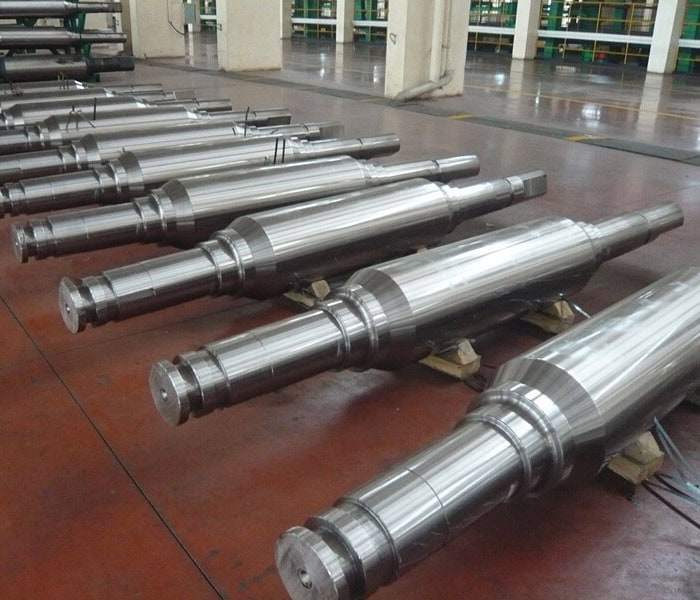
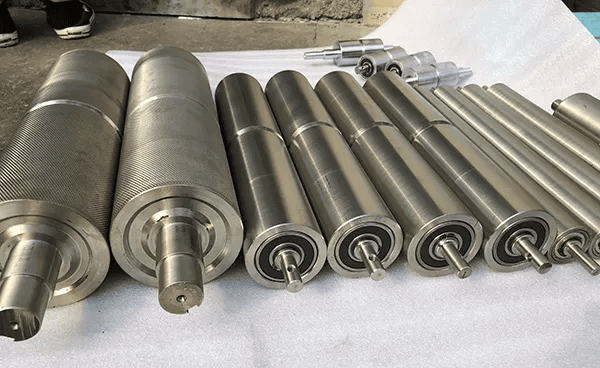
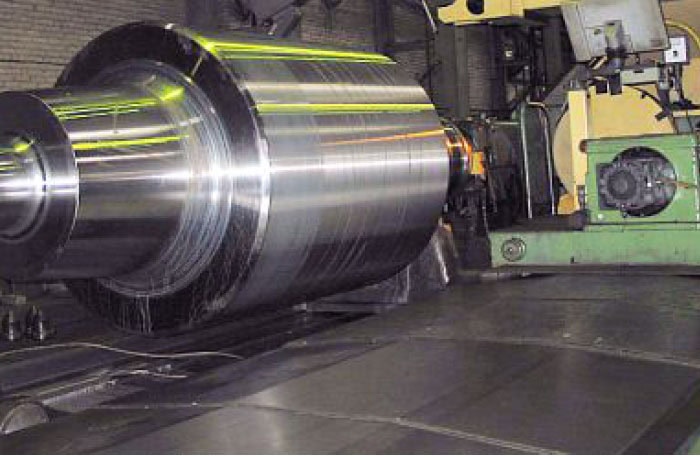
A composite steel rolling roll is a key component in the metal rolling process. During rolling, material is drawn between two rotating cylindrical rolls by friction. Rolling not only changes the shape and dimensions of the material but also improves the quality and precision of the final product. This process plays an important role in producing metal products with complex shapes that meet high quality requirements.
One of the common steels used to make rolling rolls is SCM440H. This steel is usually processed by combining chromium and molybdenum, which balances the hardness and ductility of the material and helps avoid cracking or breaking during use. Rolling rolls are made from steels with special properties to meet the requirements of metal rolling technology.
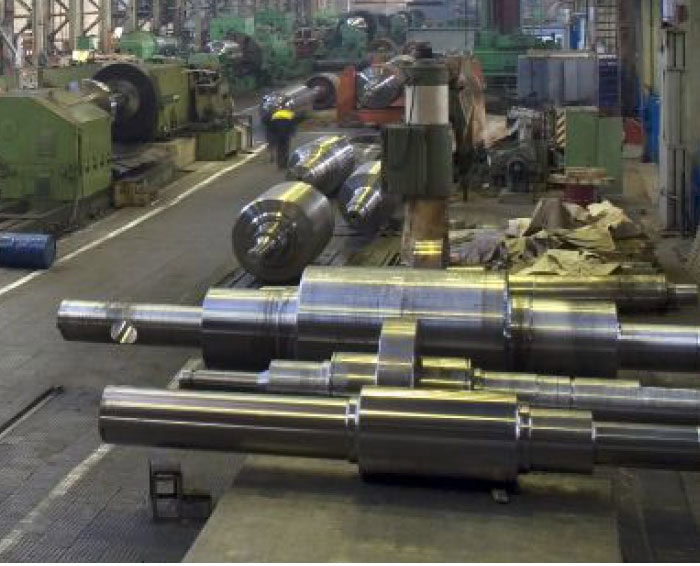
The metal rolling process includes components such as the rolls, chocks, roll bearings, the roll lifting system, the roll balancing system, the machine body and the billet guiding system. For companies that machine and repair steel rolling rolls, choosing the right material and accurately designing the hot- or cold-rolling line is very important to ensure optimal product performance and quality.
Where Does Vietnam Import Composite Steel Rolling Rolls From?
Vietnam imports composite steel rolling rolls from many different countries around the world. The main countries supplying composite steel rolling rolls to Vietnam include China, South Korea, Japan, Taiwan and India.
Composite steel rolling rolls are widely used in the automotive manufacturing, shipbuilding, pile-driving, bridge-road construction and other construction industries. Vietnam imports composite steel rolling rolls to serve domestic production and construction.
Points to Note When Importing Composite Steel Rolling Rolls into Vietnam
Composite steel rolling rolls are widely used in modern manufacturing industries such as construction and shipbuilding. However, importing composite steel rolling rolls into Vietnam also requires some important considerations.
First, importing businesses must ensure that the composite steel rolling rolls meet Vietnam's quality requirements and safety standards. Businesses should determine the origin of the goods and check product quality before importing.
Second, businesses must ensure that the import of composite steel rolling rolls complies with Vietnamese laws on tax and customs. Businesses should research these regulations carefully to avoid breaking the law and paying compensation.
Finally, businesses should ensure that importing composite steel rolling rolls does not adversely affect the environment or public health. Businesses should comply with Vietnam's environmental-protection and public-health regulations and ensure their products meet these requirements.
With the notes above, businesses importing composite steel rolling rolls into Vietnam can ensure the import is carried out legally, safely and in an environmentally sound way.
HS Codes and Import Taxes for Composite Steel Rolling Rolls
The HS codes and import taxes for composite steel rolling rolls is a topic related to the regulation and coding of composite steel rolling rolls imported into Vietnam.
The HS code (also known as the Harmonized System) is an internationally used commodity classification system for identifying and classifying goods in international trade.
The HS code for composite steel rolling rolls may fall under Chapter 72 (72283010): Iron and steel, but to determine the exact code and the specific import taxes, you need to look it up in the customs database or the relevant legal documents.
Import taxes on composite steel rolling rolls may include the standard import tax, VAT and other surcharges, depending on the regulations of each country and trade area.
Note that information on HS codes and import taxes may change over time and must be based on official information from the authorities or the customs database to ensure accuracy and currency.
Procedures for Importing Composite Steel Rolling Rolls
The procedures for importing composite steel rolling rolls are the process that businesses or individuals must follow when importing steel rolling rolls with complex properties that fall under separately regulated goods categories in the HS code system. To carry out this process, the importer needs to follow these steps:
- Determine the HS code and goods category: First, the importer needs to accurately determine the HS code and goods category of the composite steel rolling rolls they want to import. The HS code is an important factor in determining the taxes and customs regulations that apply to the goods.
- Register as an importing business: Before carrying out the import process, the importer must register as an importing business and have a customs code. This ensures the import is carried out correctly and can benefit from preferential regimes if any.
- Carry out customs procedures: The importer needs to carry out the mandatory customs procedures such as declaring the goods, paying taxes, fees and charges, and inspecting the quality of the goods.
- Handle the related documents: The importer must prepare and handle the related documents such as the sales contract, invoice, packing list, C/O, C/Q and other certificates as required by the customs authority.
- Make payment and transport the goods: After completing the customs procedures and related documents, the importer makes payment for the goods and transports them from the exporting country to Vietnam.
Depending on the specific type of composite steel rolling roll and customs regulations, the import process may have different specific requirements and procedures. Therefore, the importer must carefully research and comply with the customs authority's process to ensure the import goes smoothly and meets all legal requirements.
The Procedure Process for Importing Composite Steel Rolling Rolls
The procedure process for importing composite steel rolling rolls is the process of complying with the regulations set by the state management authority in Vietnam.
Step 1: Prepare the file
– Prepare the necessary documents such as the business registration certificate, certificate of origin, quarantine certificate, import license, invoice and sales contract.
– Arrange the above documents in order from top to bottom and place them in a sealed folder.
Step 2: Register the import file
– Register the import file at the Customs Department to be issued a file number.
– Register the import file at the Department of Industry and Trade where your company is registered.
Step 3: Carry out customs procedures
– When the goods arrive at the port, you need to notify the customs unit and submit the file to the customs electronic portal to be cleared.
– The customs unit will inspect the goods and handle the customs procedures.
Step 4: Pay the fees
– Pay the fees related to taxes, transfer fees and other charges.
– Pay the fees to related parties such as the shipping line and the transport company.
Step 5: Obtain the import-export certificate
– Obtain the customs import-export certificate so you can take the goods out of the port.
After completing the steps above, you will be able to import composite steel rolling rolls into Vietnam legally.
All-Inclusive, Great-Value, Professional Composite Steel Rolling Roll Import Support Company – Embassy Freight Services (VN)
Embassy Freight Services (VN) is a company that specializes in support services for importing and shipping composite steel rolling rolls. With an experienced, professional team, the company is committed to providing customers with cargo transport services of the highest quality at affordable prices.
The company offers customers all-inclusive service packages, from support and advice on customs procedures to shipping the goods to their destination. Customers can feel at ease when using the company's service because we are committed to ensuring safety and accuracy when transporting goods. In addition, the company is committed to giving customers the best prices on the market. Customers can feel at ease about our pricing and service quality.
With many years of experience in cargo transport, our company has built a reputation among customers and partners. We are committed to continuously improving service quality and refining our operating processes to meet customers' ever-increasing needs.
Contact Information
EMBASSY FREIGHT SERVICES (VIETNAM)
Address: Room 4.25, 4th Floor, No. 8 Hoang Minh Giam, Ward 9, Phu Nhuan District, Ho Chi Minh City.
Email: info@embassyfreight.com.vn
Contact for Consultation:
- 0936911656 (HCM) – Embassy Freight Services (VN) Southern Region
- 0937361637 (Hanoi) – Embassy Freight Services (VN) Northern Region
See Also:
- Applying for a C/O – Certificate of Origin Service (C/O)
- All-Inclusive Shipping Company to Cambodia – Full A-to-Z Support
- All-Inclusive Used Machinery & Equipment Import Service at Great Prices
- Everything from A to Z About Air Compressor Import Procedures
- The Most Accurate and Efficient Electrical Cable Import Procedures
- Legal Regulations on Importing Plant Protection Products (Pesticides)
- All-Inclusive Import-Export Service in HCMC & Hanoi – A-to-Z Support, Cost-Effective
- All-Inclusive Service for Importing Australian Wine into Vietnam
- Rust Cleaning Solution – Which Is Best? 5 Effective Ways to Remove Rust from Metal
- Detailed Guide to the Most Accurate Forklift Import Procedures
- Guide to Air Cooler Import Procedures
- All-Inclusive Customs Declaration Service – No Hidden Costs Beyond the Quote
- Alcohol Import Procedures – All-Inclusive Alcohol Shipping & Import Service
| ✅ Customs Declaration Service: | ⭐ Fast Clearance, Great Prices, No Hidden Costs Beyond the Quote |
| ✅ Air and Sea Freight: | ⭐ Great, Competitive Rates |
| ✅ Import-Export Service: | ⭐ All-Inclusive, Great Prices |
| ✅ Experience: | ⭐ Over 22 Years of Experience |
| ✅ Additional Services: | ⭕ C/O Application, Import Licenses, Animal & Plant Quarantine, Crating, On-Site Import-Export & Related Documentation |
| ✅ Agents & Offices: | ⭕ Over 50 Offices and Agents in 30 Countries Worldwide |
Need a shipping & import-export quote?
Embassy Freight supports sea freight, air freight, customs declaration and turnkey import-export department outsourcing. Get a free quote or explore our services.