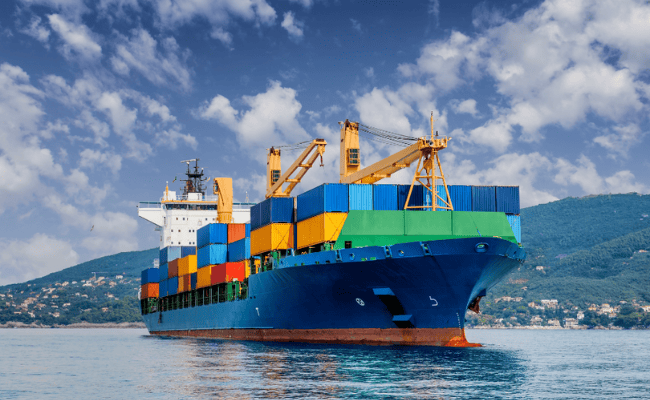
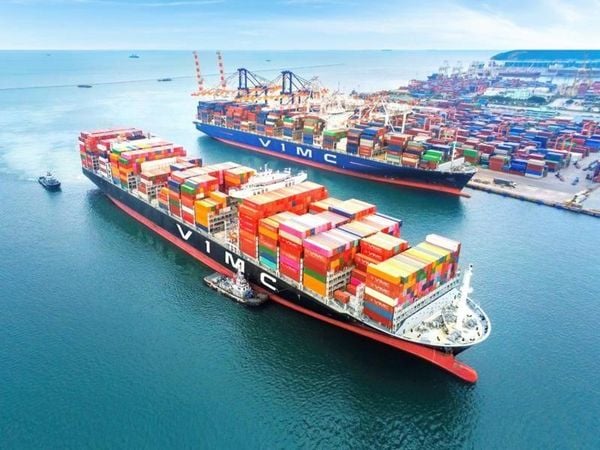
Cat Lai Port is Vietnam's largest container port and plays a central role in the import-export activity of the southern region. Every day, thousands of containers go through customs procedures here, serving many industries from manufacturing and trade to logistics. Because of the high cargo volume, businesses need to understand the declaration process well to limit errors, save time, and cut extra costs.
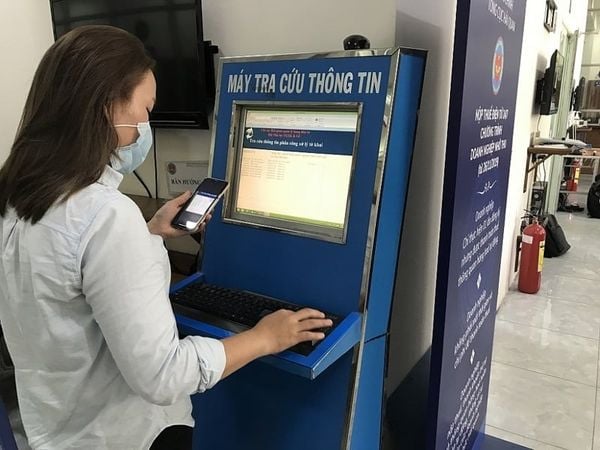
Today, customs declaration is carried out through the VNACCS/VCIS system, which lets you transmit electronic declarations, receive channel classification results, and complete clearance procedures. The article below provides a detailed, step-by-step guide to customs declaration at Cat Lai Port for both new businesses and those already experienced in import-export.
Conditions for Customs Declaration
Before declaring, a business must meet a few basic conditions:
- Have a business tax code.
- Register to use the VNACCS/VCIS system.
- Have a valid digital signature.
- Use electronic customs declaration software.
- Prepare a complete import-export dossier.
Registering the user and the digital signature on the VNACCS system is mandatory before transmitting a declaration.

Documents to Prepare
The dossier may vary depending on the type of import-export. However, the basic set of documents usually includes:
- The electronic customs declaration.
- The foreign trade contract (Sales Contract).
- The commercial invoice.
- The packing list.
- The bill of lading.
- The certificate of origin (C/O), if any.
- The import or export license (for goods subject to specialized management).
- The catalogue or technical documentation for certain goods.
Businesses should check carefully to ensure the information across the documents is consistent.
Customs Declaration Process at Cat Lai Port
Step 1: Check the Goods Information
Before opening the declaration, the business needs to determine:
- The HS code.
- The duty rate.
- The management policy.
- The import or export conditions.
- Whether the goods are subject to specialized inspection.
This is a crucial step that helps limit errors and avoid amending the declaration after it has been registered.
Step 2: Enter the Data in the Software
The customs declarant enters all the information into the declaration software, including: the exporter, the importer, the goods description, the HS code, the quantity, the weight, the customs value, the delivery terms (Incoterms), the mode of transport, the port of loading and port of discharge, and so on.
After checking all the data, the business applies its digital signature and transmits the declaration to the VNACCS system.
Step 3: Receipt and Channel Classification
When the system receives the declaration, the business gets the channel classification result.
Green Channel
- Exempt from document inspection.
- Exempt from physical inspection of the goods.
- Cleared after tax obligations are settled.
Yellow Channel
- Document inspection.
- Supplementary documents may be requested.
Red Channel
- Document inspection.
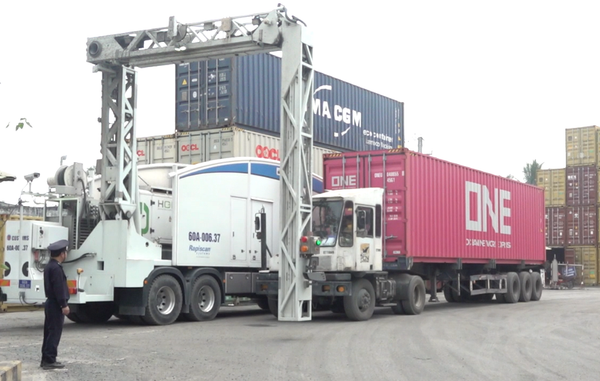
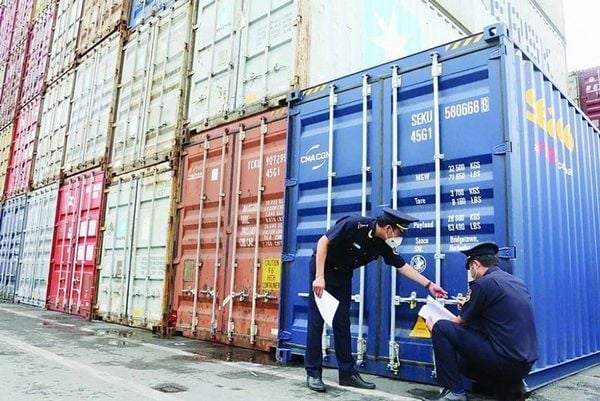
- Physical inspection of the goods before clearance.
Channel classification is done automatically under the customs authority's risk management mechanism.
Step 4: Pay Taxes
For goods on which tax is due, the business must settle:
- Import duty.
- Value-added tax (VAT).
- Special consumption tax (if any).
- Environmental protection tax (if applicable).
Today, electronic tax payment lets the system update quickly, helping shorten clearance time.
Step 5: Specialized Inspection
Some goods must also undergo procedures such as:
- Plant quarantine.
- Animal quarantine.
- Quality inspection.
- Food safety inspection.
- Declaration of conformity.
Businesses should complete these procedures before the goods arrive at the port to avoid prolonging processing time.
Step 6: Physical Inspection (For the Red Channel)
If the declaration is classified into the red channel, the business needs to:
- Book an inspection appointment.
- Prepare a complete dossier.
- Coordinate with customs officers.
- Open the container for inspection as requested.
If the goods match the declared content, the declaration proceeds toward clearance.
Step 7: Clearance and Goods Collection
After completing the procedures, the business will:
- Receive the clearance result.
- Pay the fees at the port.
- Exchange the delivery order (if needed).
- Complete the container pick-up procedures.
- Transport the goods to the warehouse.
This is the final step in the customs declaration process.
Common Errors in Customs Declaration
During declaration, businesses often make errors such as:
- An incorrect HS code.
- An incorrect customs value.
- An incorrect goods description.
- A missing commercial invoice or packing list.
- An incorrect container number.
- An incorrect seal number.
- A missing specialized license.
- Late tax payment.
- Inconsistent information across documents.
These errors can cause the declaration to be flagged for amendment or prolong clearance time.
Tips for Fast Customs Declaration
To limit risk and speed up clearance, businesses should:
- Prepare a complete dossier before the goods arrive at the port.
- Determine the correct HS code.
- Cross-check the information across the invoice, packing list, and bill of lading.
- Proactively apply for specialized licenses if needed.
- Monitor the declaration status regularly.
- Pay taxes on time.
- Work with an experienced customs service provider.
Why Use a Customs Service?
For new businesses or those with many import-export shipments, using a customs service offers several benefits:
- Accurate advice on HS codes.
- Checking the dossier before transmitting the declaration.
- Support handling yellow- and red-channel cases.
- Monitoring the clearance progress.
- Representing you before customs authorities.
- Minimizing errors and extra costs.
This solution lets businesses focus on production and trade while still keeping goods delivery on schedule.
Conclusion
Understanding the guide to customs declaration at Cat Lai Port helps businesses stay in control of every stage, from dossier preparation and electronic declaration to channel handling and goods collection. An accurate declaration process not only speeds up clearance but also reduces legal risk and logistics costs.
If a business imports and exports regularly or lacks much experience, using a professional customs service is the solution to ensure the shipment is handled quickly, in compliance, and on schedule.
We are committed to delivering the most effective solutions that save time, cut costs, and minimize risks throughout the customs clearance process at Cat Lai Port. Contact Embassy Freight now via Hotline: 0936911656 for the fastest consultation and quote!
Need a quote for shipping & import-export procedures?
Embassy Freight provides ocean freight, air freight, customs clearance, and full-service import-export back-office solutions. Get a free quote or explore our services.