What Is Rotary-Cut Veneer? Applications? How Is Rotary-Cut Veneer Produced?
What Is Rotary-Cut Veneer?
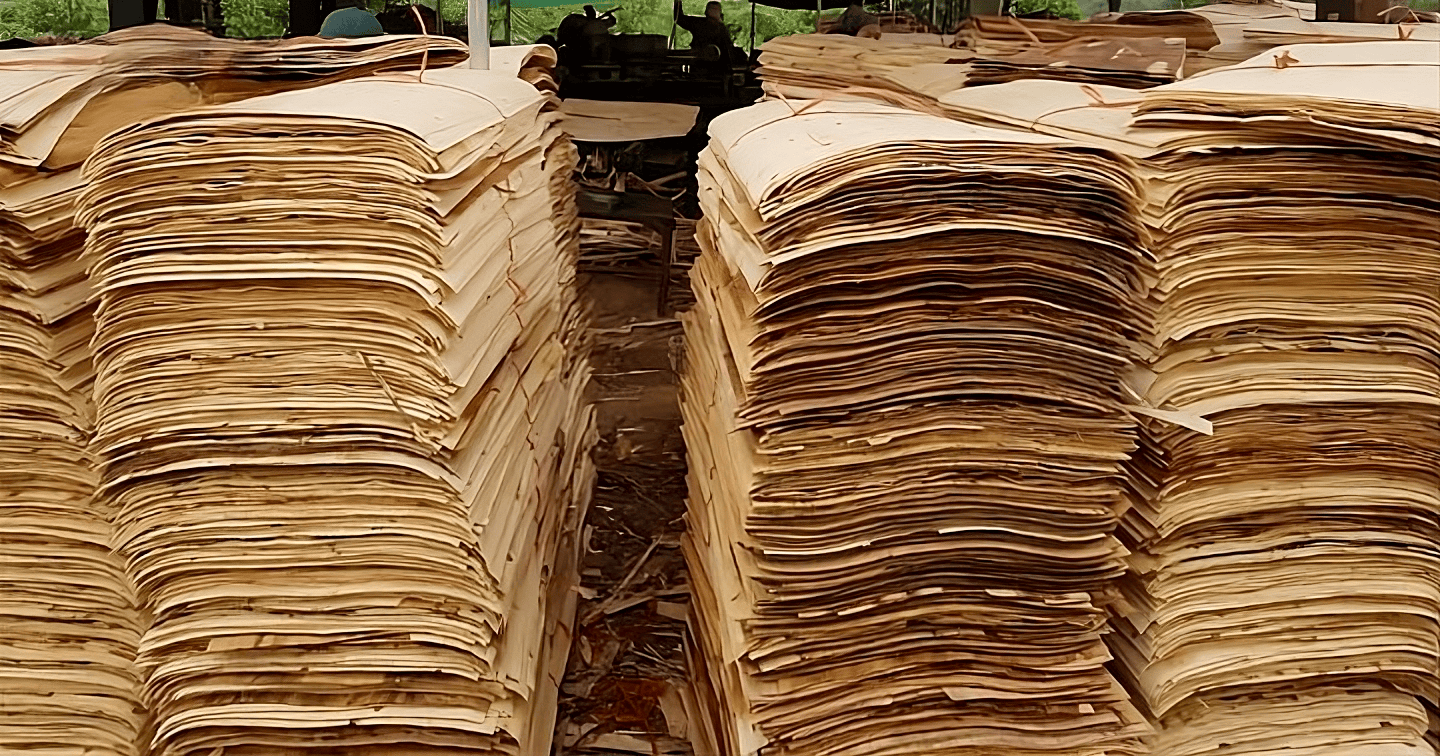
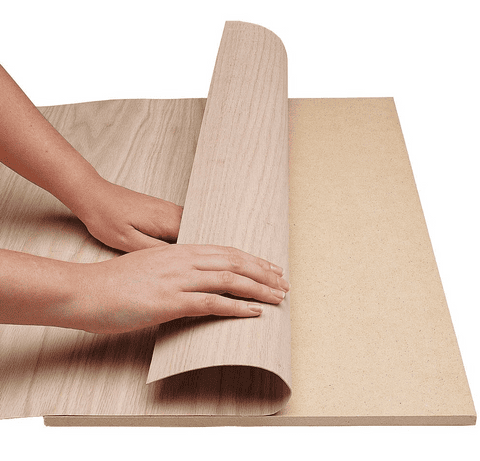
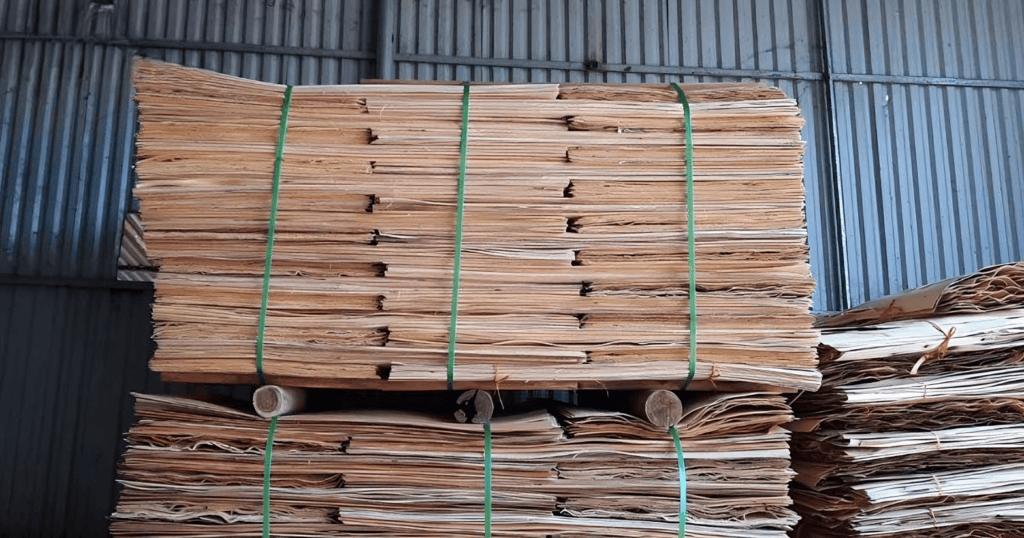
Rotary-cut veneer refers to thin sheets of wood peeled from round logs. In Vietnam, rotary-cut veneer is widely used in the plywood manufacturing industry.
This type of veneer is the main raw material for producing plywood, and each type of rotary-cut veneer can yield plywood of different quality and appearance. The quality of the rotary-cut veneer usually affects the quality of the final plywood.
Types of Wood Used to Produce Rotary-Cut Veneer
Rotary-cut veneer is produced from many different types of wood. These woods are usually chosen based on the mechanical and aesthetic properties of the final product. Rotary-cut veneer products can be used in many different applications, including furniture, industry, and construction.
Applications and Uses
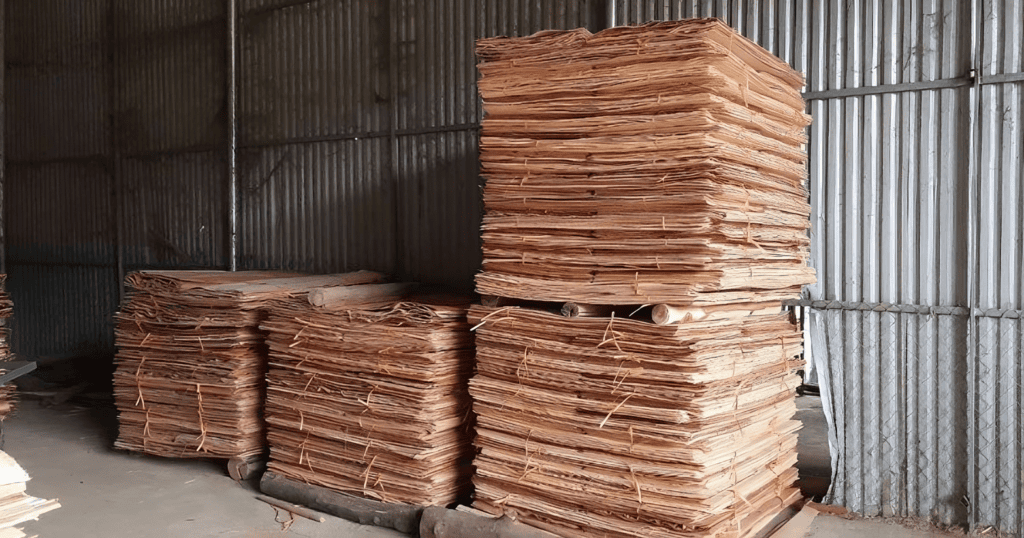
Rotary-cut veneer has many applications across many different fields. It is widely used in the construction industry to create products such as partitions, flooring, and many other applications in construction projects. In addition, rotary-cut veneer is also used in the furniture and woodworking industry to create products such as tables, chairs, cabinets, and many other items.
Its Importance in Producing Plywood and Rotary-Cut Veneer
Rotary-cut veneer plays an important role in the plywood production process. The quality and type of the peeled wood will affect the quality and technical performance of the final plywood. Therefore, choosing the right type of peeled wood and carrying out the production process carefully is essential to ensure product quality.
Rotary-Cut Veneer Production Process in Vietnam
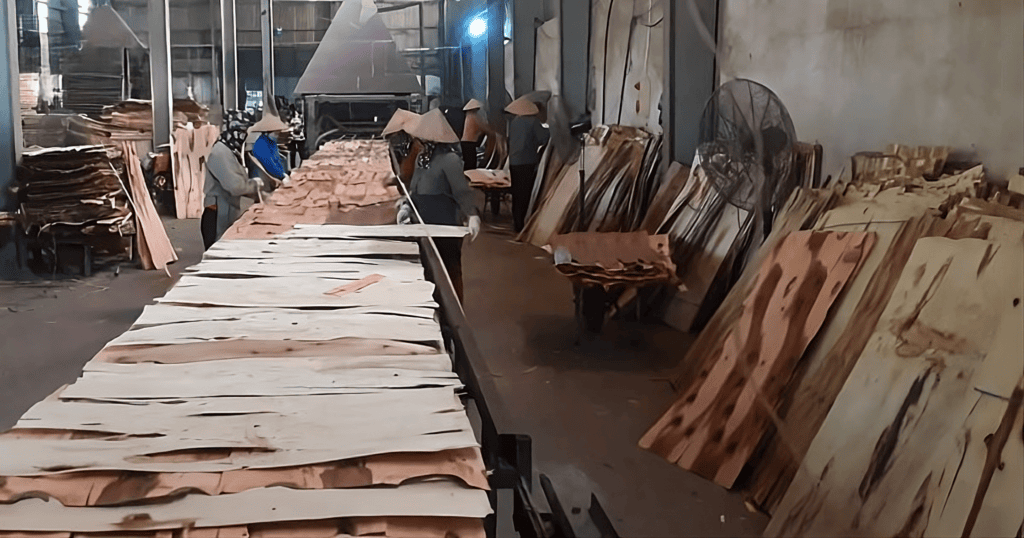
The rotary-cut veneer production process in Vietnam is the process of processing wood to create thin sheets peeled from round logs. Below are some of the main steps in the rotary-cut veneer production process in Vietnam:
- Prepare raw materials: Round logs are selected and collected from local wood sources. Wood suitable for the rotary-cut veneer production process is chosen to ensure the quality of the final product.
- Debark and cut the wood: Round logs are fed into a debarking machine to separate the bark layer from the wood inside. The wood is then cut into thin sheets of the required length.
- Smooth the surface: After peeling and cutting, the thin wood sheets are surface-smoothed to remove any cracks, sharp corners, or irregularities on the surface.
- Combine into the final product: After being smoothed, the thin wood sheets are combined together to form complete rotary-cut veneer sheets.
- Quality inspection and finishing: The finished rotary-cut veneer product is inspected for quality to ensure it meets the specific standards and requirements. The rotary-cut veneer sheets may then be further processed to create the desired surface or color.
Rotary-Cut Veneer Export Businesses in Vietnam
In recent years, Vietnam's wood industry has developed strongly and become an important part of the country's export activities. Many businesses in Vietnam have shifted their focus to producing and exporting rotary-cut veneer, veneer wood, and related wood products. These businesses have contributed significantly to raising the export value of the wood industry and helping to drive economic growth.
Some notable businesses in this field include Hang Thinh, Sao Viet Tuyen Co., Ltd., and members of the Vietnam Timber and Forest Products Association (Vifores). These businesses have focused on producing and supplying rotary-cut veneer, veneer wood, and related wood products for the export market.
However, in the process of exporting rotary-cut veneer, Vietnam's wood industry also faces a number of difficulties, including strengthening control over wood origin and ensuring compliance with regulations and requirements on environmental protection and sustainability. To promote rotary-cut veneer exports, businesses and authorities need to work together to ensure compliance with international regulations and standards.
Standards for Export Rotary-Cut Veneer?
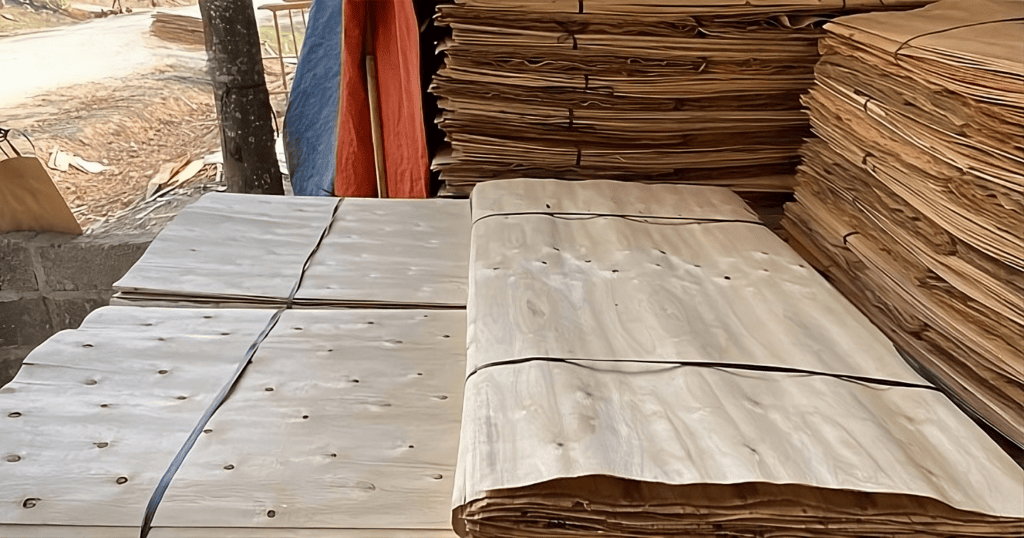
Regarding standards for export rotary-cut veneer, there are a number of important factors that wood producers and exporters need to follow to ensure the product meets quality and safety requirements. Below are some general standards and factors to keep in mind when producing and exporting rotary-cut veneer:
- Wood quality: The type of wood used to produce rotary-cut veneer must ensure quality and be free from termites, borers, or other durability problems. The wood must be carefully selected to ensure the uniformity and high quality of the rotary-cut veneer.
- Rotary-cut veneer dimensions: The dimensions of the rotary-cut veneer sheets must comply with international standards for wood dimensions or the specific regulations of the destination country.
- Thickness and thinness: The thickness and thinness of the rotary-cut veneer must comply with specific standards to ensure the consistency and quality of the product.
- Wood processing: The wood processing, including the peeling process to create the thin layer, must be carried out using precise methods to ensure the rotary-cut veneer sheets have a smooth, uniform surface.
- Quality inspection: Rotary-cut veneer products must undergo strict quality inspection to ensure they meet the necessary quality and safety standards.
- Compliance with international transport regulations: When exporting rotary-cut veneer, international transport regulations must be followed, including regulations on packaging, marking, and transport handling.
- Certification and appraisal: For exporting rotary-cut veneer, having certifications and appraisals of the wood origin and the sustainability of the wood supply may be necessary to ensure compliance with international regulations.
- Fair distribution: Ensure that the production and export of rotary-cut veneer does not cause illegal logging or harm to the environment.
Remember to check the specific regulations and standards in the target country to ensure full and accurate compliance.
Standard TCVN 10316:2015 on Rotary-Cut Veneer
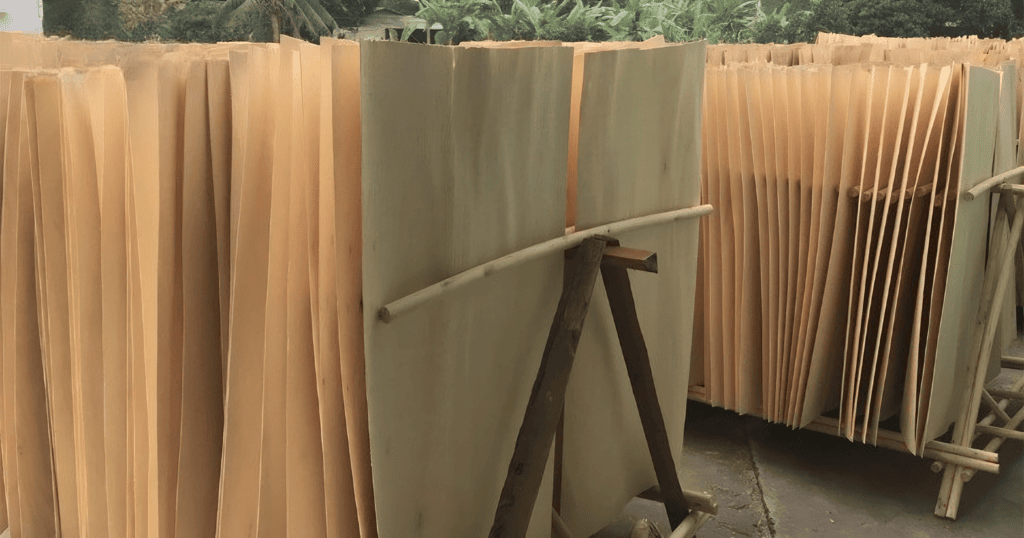
Standard TCVN 10316:2015 is a Vietnamese national standard relating to rotary-cut veneer. This standard sets out the technical requirements and classification for rotary-cut veneer, in order to ensure the quality and uniformity of the product during production, export, and use.
Some key points in standard TCVN 10316:2015 include:
- Dimensions and thickness: The standard specifies standard dimensions for rotary-cut veneer, including the length, width, and thickness of the veneer sheets.
- Quality classification: The standard defines and classifies rotary-cut veneer by quality, from grade A to grade D. Each grade has its own criteria for surface, durability, and aesthetics.
- Requirements for surface and square corners: The standard addresses requirements for the surface of the rotary-cut veneer, including cracks, joints, and other defects. In addition, the standard also specifies the four square corners of the veneer.
- Determining moisture content: The standard sets out methods for determining the moisture content of rotary-cut veneer, an important parameter for ensuring the stability of the product.
- Mechanical testing: The standard addresses mechanical tests to check the durability, elasticity, and load-bearing capacity of the rotary-cut veneer.
- Requirements for packaging and labeling: The standard specifies how to package and label export rotary-cut veneer, ensuring the product is protected and transported safely.
Quality Classification of Rotary-Cut Veneer / Sliced Veneer
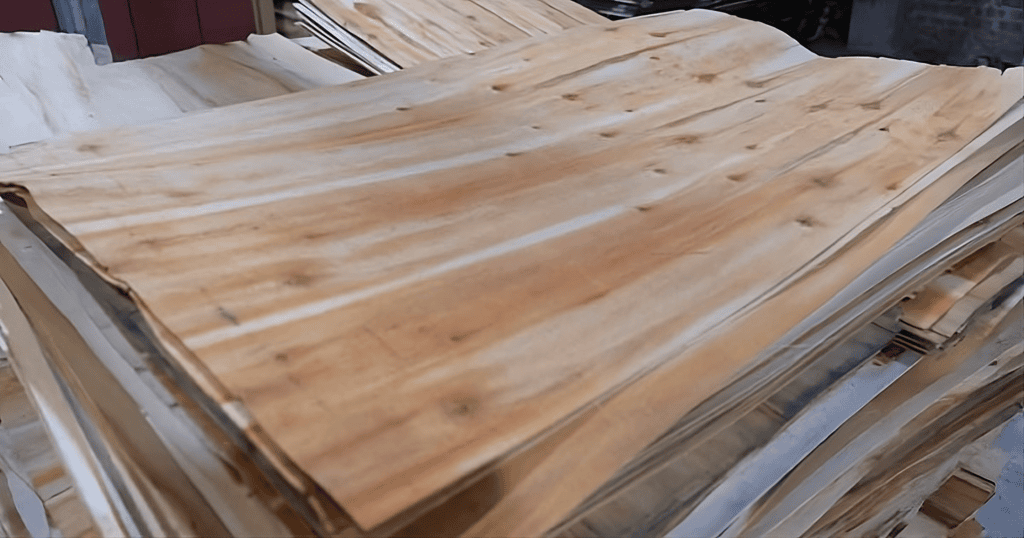
Classifying the quality of rotary-cut veneer and sliced veneer is an important part of the production and export process. Below is some information related to their quality classification:
- Grade A, Grade B, Grade C, and Grade D: Classification into grades A, B, C, and D is based on the quality and performance of the rotary-cut veneer. Grade A is usually the best quality, with a smooth surface, few defects, and good mechanical characteristics. Grade D usually has lower quality and may have more defects.
- Quality by number of defects: Rotary-cut veneer can be classified based on the number and type of surface defects, such as holes, cracks, splits, resin marks, and fissures.
- Dimensions and thickness: Rotary-cut veneer can also be classified based on its dimensions and thickness. This relates to the use of rotary-cut veneer for specific purposes.
- Usability standards: Depending on the intended use, rotary-cut veneer can be classified by its suitability for applications such as furniture, construction, packaging, and plywood production.
- National and international standards: Quality classification of rotary-cut veneer and sliced veneer usually follows national and international standards. These standards clearly define the requirements for defects, mechanical performance, and the overall quality of the product.
- Classification by wood origin: Given the trend toward protecting the environment and forest resources, classifying rotary-cut veneer by wood origin (natural or recycled) may also be applied.
Quality Inspection Process for Export Rotary-Cut Veneer
The quality inspection process for export rotary-cut veneer is an important part of the production process and of ensuring product quality before export. Below are some basic steps in the quality inspection process for export rotary-cut veneer:
- Check dimensions and thickness: First, the rotary-cut veneer sheets are checked for dimensions and thickness to ensure they meet the technical requirements and set standards. The dimensions and thickness must be within the allowable range.
- Check the surface: The rotary-cut veneer is checked on the surface to determine whether there are live knots, dead knots, resin marks, cracks, or any other defects on the surface. The requirements for the type and number of defects must comply with the prescribed standards.
- Check straightness: The straightness of the rotary-cut veneer is also an important factor. The rotary-cut veneer must be straight and flat to ensure usability and processing.
- Check mechanical properties: Some mechanical tests may be carried out to evaluate the strength and flexibility of the rotary-cut veneer. This includes checking the durability, elasticity, and hardness of the rotary-cut veneer.
- Check moisture content: The moisture content of the rotary-cut veneer must be at an appropriate level to avoid delamination or deformation after export. Moisture content can be checked using a moisture meter.
- Check wood origin: Ensure that the wood source used to produce the rotary-cut veneer is legal and environmentally sound. This may relate to issues of forest protection and resources.
- Check against standards: The inspection process must follow the international or national standards set out for exporting rotary-cut veneer. The requirements for quality, defects, and performance must comply with these standards.
- Store inspection documents: The inspection results and related documents need to be stored to ensure transparency and to track product quality.
Note: The quality inspection process may vary depending on the requirements of the exporting country and the relevant standards.
Export Tax on Rotary-Cut Veneer in Vietnam
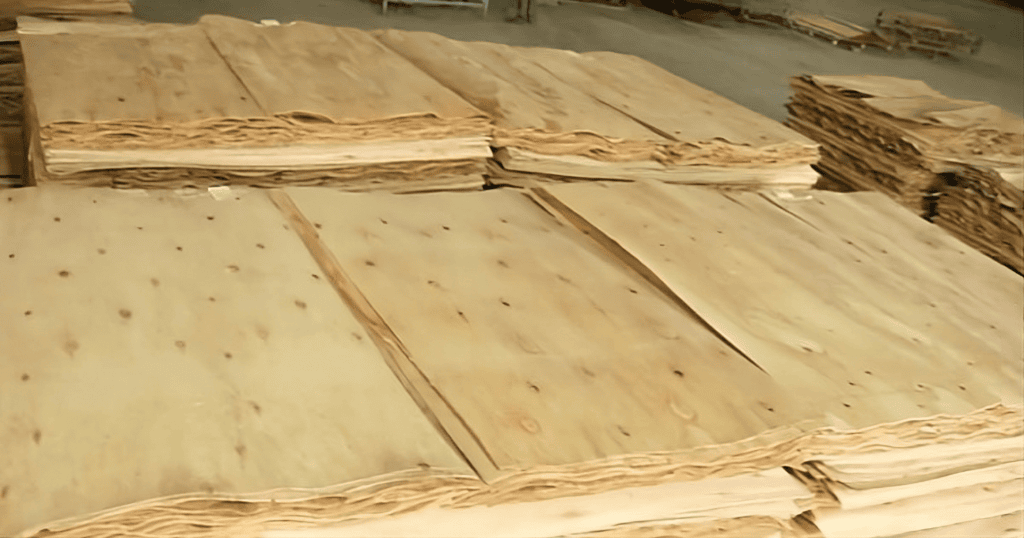
Rotary-cut veneer wood in Vietnam is subject to an export tax at a rate of 10% under the import-export tariff schedule. Businesses exporting rotary-cut veneer wood must comply with this regulation when carrying out export transactions.
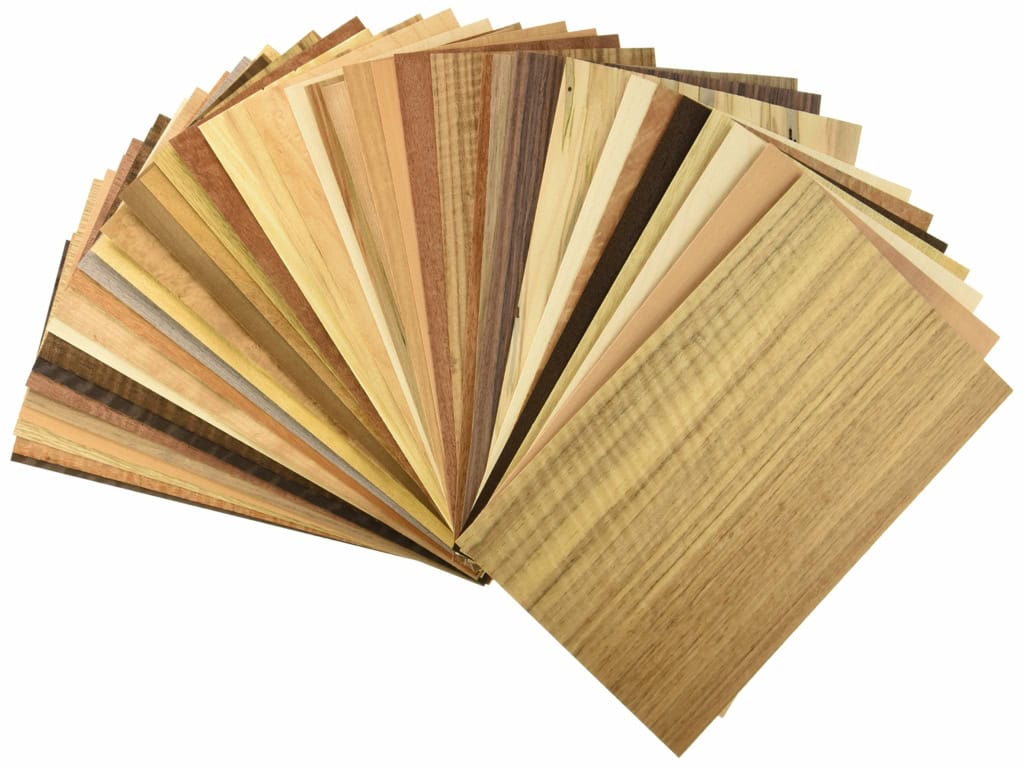
The Vietnam Timber and Forest Products Association (Vifores) has proposed raising the export tax on rotary-cut veneer under HS 4408 to 25%, on par with sawn timber products under HS. Specifically, the HS codes related to rotary-cut veneer wood, such as 44081090, 44083990, and 44089090, are all subject to the export tax regulations.
The Most Detailed Rotary-Cut Veneer Export Procedures 2023
Exporting rotary-cut veneer requires compliance with many procedures and regulations to ensure legality, safety, and proper standards. Below are some basic procedures related to exporting rotary-cut veneer in 2023:
- Register the business and register for export: Before exporting, the business needs to register the business and register for export with the competent authorities. This process ensures the business has the legal standing to engage in export activities.
- Choose the source and product quality: Rotary-cut veneer must be produced and quality-inspected according to national and international standards. The business needs to determine the origin of the wood, ensure sustainability, and comply with regulations on logging.
- Packaging and labeling: Rotary-cut veneer must be carefully packaged to ensure it is not damaged during transport. Labeling the product according to regulations helps identify the origin and related information.
- Quality inspection and export agreement: Before export, rotary-cut veneer must be quality-inspected to ensure it meets the technical requirements and standards. The export agreement must be reached between the exporting business and the importer.
- Export via border gate or seaport: The product can be transported via border gate or seaport, depending on the destination and means of transport. The business needs to comply with customs and transport regulations.
- Carry out customs procedures: When exporting, the business needs to comply with customs procedures, including declaring the goods and paying taxes and fees as required.
- Export documents: To complete the export procedures, the business needs to prepare related documents such as the export invoice, transport papers, and other related documents.
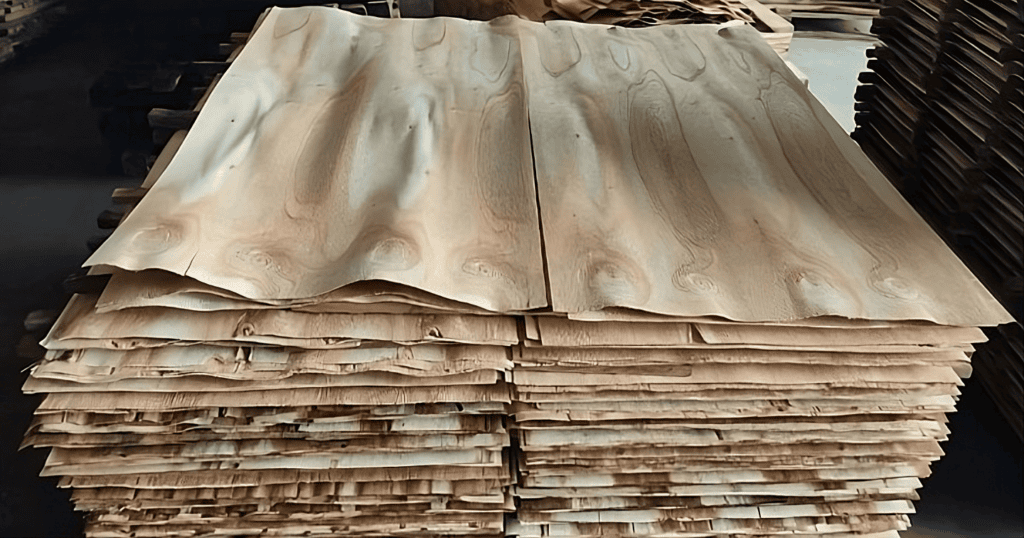
All-Inclusive Rotary-Cut Veneer Transport and Export Procedures Company – Embassy Freight Services (VN)
Embassy Freight Services (VN) is a company specializing in all-inclusive rotary-cut veneer transport and export procedures. With many years of experience in this field, the company has become one of the finest partners of manufacturers and importers.
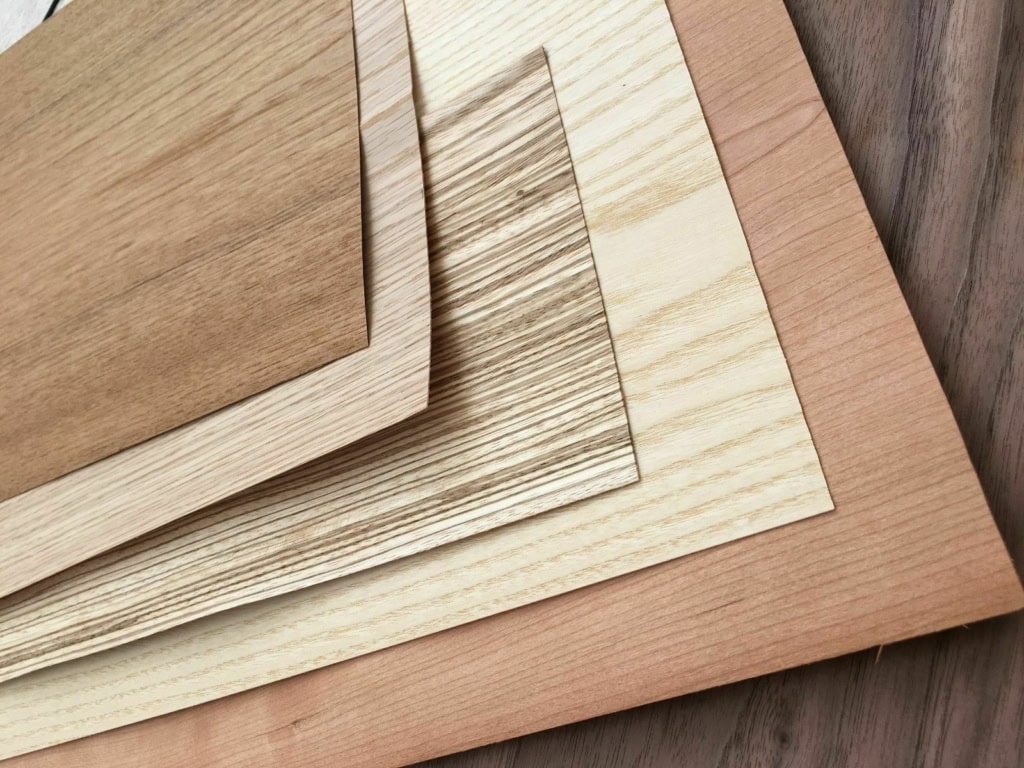
The company provides a diverse range of transport services, including sea, air, and road freight. In addition, the company has a team of staff experienced in import-export procedures, helping customers save time and money.
Embassy Freight Services (VN) is committed to providing its customers with the best service at reasonable prices.
By enhancing service quality and meeting customer needs, the company has built a reputation and earned customers' trust in the field of transport and export procedures.
If you need rotary-cut veneer transport and export procedure services, contact Embassy Freight Services (VN) for advice and support.
Benefits of Choosing Embassy Freight Services (VN) to Support Rotary-Cut Veneer Exports
The benefits of choosing Embassy Freight Services (VN) to support rotary-cut veneer exports are numerous. With many years of experience in the field of international goods transport, we are committed to bringing customers quality, safe, and reliable services.
We have a professional, experienced team that is always ready to support customers throughout the goods transport process. At the same time, we own a modern freight-forwarding system that ensures the transport process is optimized and the risks that can arise during transport are minimized.
In addition, we also provide supplementary services such as goods packaging, warehousing, customs registration, and the documentation related to import-export goods. As a result, our customers can save time and cost on the processes related to goods transport.
With all of the above benefits, Embassy Freight Services (VN) is the best choice to support your rotary-cut veneer export process.
Contact Information
EMBASSY FREIGHT SERVICES (VIETNAM)
Address: Room 4.25, 4th Floor, No. 8 Hoang Minh Giam, Ward 9, Phu Nhuan District, Ho Chi Minh City.
Email: info@embassyfreight.com.vn
Contact for Consultation:
- 0936911656 (HCMC) – Embassy Freight Services (VN) Southern Region
- 0937361637 (Hanoi) – Embassy Freight Services (VN) Northern Region
Further Reading:
- Applying for a C/O – Certificate of Origin Service
- Company Providing All-Inclusive Freight Service to Cambodia with Full A-to-Z Support
- All-Inclusive, Highly Affordable Used Machinery and Equipment Import Service
- Everything from A to Z on Air Compressor Import Procedures
- Standards & Regulations for Exporting Agricultural Products to the US and Europe
- Legal Regulations on the Import of Plant Protection Products
- All-Inclusive Import-Export Services in Ho Chi Minh City and Hanoi, Full A-to-Z Support, Cost-Saving
- All-Inclusive Service for Importing Australian Wine into Vietnam
- Detailed Guide to the Most Accurate Forklift Import Procedures
- Guide to Air Cooler Import Procedures
- All-Inclusive Customs Declaration Service, No Costs Beyond the Quote
- Alcohol Import Procedures – All-Inclusive Alcohol Transport & Import Service
| ✅ Customs Declaration Service: | ⭐ Fast Clearance, Good Prices, No Costs Beyond the Quote |
| ✅ Air and Sea Freight: | ⭐ Good, Competitive Rates |
| ✅ Import-Export Service: | ⭐ All-Inclusive, Good Prices |
| ✅ Experience: | ⭐ Over 22 Years of Experience |
| ✅ Additional Services: | ⭕ C/O Issuance, Import Licenses, Animal & Plant Quarantine, Crating, On-Site Import-Export & Related Documentation |
| ✅ Agents & Offices: | ⭕ Over 50 Offices and Agents in 30 Countries Worldwide |
Need a quote for shipping & import-export procedures?
Embassy Freight provides sea freight, air freight, customs declaration and full-service import-export desk rental. Get a free quote or view our services.