What Are the Standards for Exporting Fresh Ginger?
The standards for exporting fresh ginger include the requirements that ensure the quality and safety of the ginger being exported.
These standards ensure that exported ginger is a quality product, free from damage, safe for health and compliant with the requirements of the importing country. Below are some standard requirements for exporting fresh ginger:
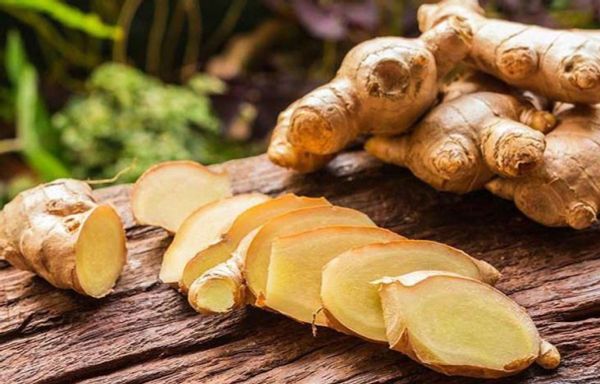
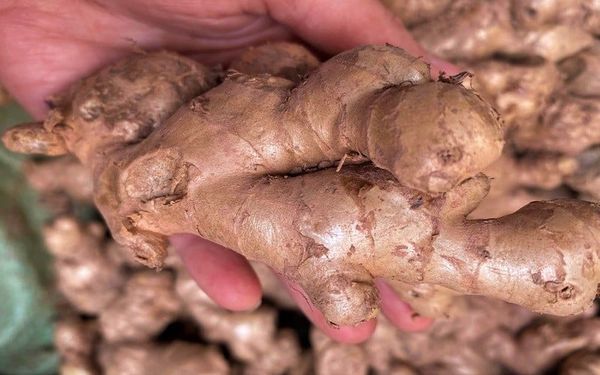
- Intact: Ginger must be kept intact, not crushed or damaged to the point where it can no longer be used.
- Quality: Ginger must be firm, not rotten, and show no signs of damage or environmental impact.
- Free from Pest Damage: Ginger must not be damaged by pests such as insects that affect the product's appearance.
- Origin: Information on the origin of the ginger must be verified and meet the legal requirements of both the exporting and importing countries.
>>>See Also: Full-Service Customs Declaration
Export-Standard Ginger-Growing Regions in Vietnam
Vietnam has many export-standard ginger-growing regions that meet the demand for exporting fresh ginger to international markets.
These ginger-growing regions must comply with production and quality standards to ensure the product meets export market requirements. Below are some export-standard ginger-growing regions in Vietnam:
- Bac Giang: This region is famous for fresh ginger with a distinctive flavor and bright color. Bac Giang ginger is often grown to high standards, ensuring traceable origin and quality.
- Lang Son: Ginger from Lang Son is often grown organically, without harmful chemicals. This is an important factor for export markets that require organic products.
- Cao Bang: The ginger-growing region in Cao Bang is also developing strongly, with a focus on quality and food safety.
- Lao Cai: Lao Cai ginger has a growing export market, with particular attention to compliance with international standards.
- Binh Phuoc: This region focuses on growing organic ginger, meeting the quality and safety requirements of demanding markets.
The Process of Growing Ginger for Export
Growing ginger for export requires compliance with high standards of quality and food safety to ensure the product meets international market requirements. Below is a summary of the process of growing ginger for export:
1. Selecting Ginger Seed: Choose good-quality ginger seed that meets export market requirements. The seed should be pest-resistant, grow well and give a high yield.
2. Preparing the Soil: The soil must be weeded, enriched with organic fertilizer and well drained. This process ensures the ginger plants grow healthily and achieve high quality.
3. Planting the Ginger: Ginger is planted by cutting the rhizome into small pieces with sprouting eyes, then planting them in the soil. The spacing between plants must be adequate to support good growth.
4. Crop Care: Care involves regular watering, fertilizing and pest inspection. Organic methods are usually preferred to ensure food safety.
5. Harvesting: Ginger is harvested once the rhizomes reach the desired size and quality. Harvesting must be done carefully to avoid damaging the rhizomes.
6. Post-Harvest Handling: After harvest, the ginger must be cleaned, with leaves and stems removed, and any damaged or substandard rhizomes discarded.
7. Packing and Transport: After processing, ginger is packed according to the specific standards of each export market. The packing and transport process must ensure the product is not damaged.
8. Quality Inspection: Before export, ginger products must undergo strict quality inspection to ensure they meet the standards of the destination market.
9. Completing Export Procedures: Export procedures such as export registration and preparing the customs clearance dossier must be carried out in accordance with the requirements of the authorities.
The Quality Inspection Process for Exporting Fresh Ginger
Quality inspection of exported ginger is a crucial step to ensure the product meets the standards and requirements of the destination market. Below are the basic steps in the quality inspection process for exported ginger:
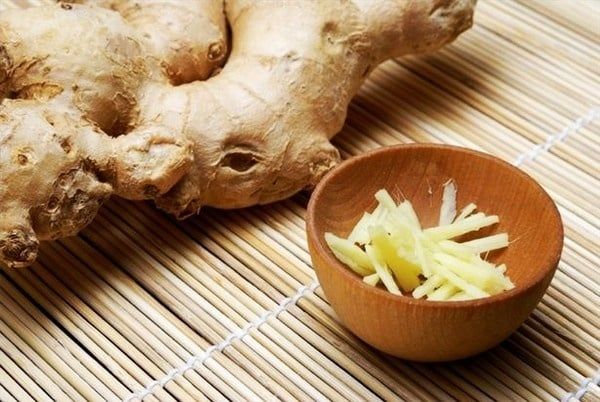
- Appearance Inspection: Inspect the ginger rhizomes to ensure they are firm, not rotten or crushed. The rhizomes must be uniform in shape and show no signs of damage.
- Impurity Inspection: Use the naked eye to check for any impurities on the surface of the ginger. Export ginger must be clean, with no foreign impurities attached.
- Color Inspection: The color of the ginger must be natural and unaltered. Unusual or uneven color may be a sign of a quality problem.
- Odor and Taste Inspection: Check the odor and taste of the ginger to ensure it has no antibiotic, chemical or other unusual smell. The taste should be natural and pleasant.
- Moisture Inspection: The moisture content of the ginger must be within a safe range to prevent the growth of mold and bacteria.
- Size Inspection: The ginger rhizomes must reach the desired size according to export market requirements.
- Post-Harvest Product Quality Inspection: Inspect carefully after harvest to remove any damaged or substandard rhizomes. This ensures only the best products enter the export process.
- Standards Compliance Inspection: Ensure the ginger meets food safety standards and export market requirements.
- Sample Testing: In some cases, ginger samples are selected at random and tested in a laboratory to verify the properties and quality of the product.
- Completing Export Procedures: After completing quality inspection, carry out the export procedures in accordance with the requirements of the authorities.
Phytosanitary Inspection of Fresh Ginger
Phytosanitary inspection of fresh ginger is an important part of the export process, ensuring that the fresh ginger does not carry any insects, bacteria or diseases that could harm crops in the importing country. The phytosanitary inspection process includes the following steps:
- Registering for Phytosanitary Inspection: Before fresh ginger is exported, the business must register for phytosanitary inspection with the phytosanitary authority of the exporting country. The phytosanitary inspection application must be completed in full using the prescribed template.
- Appearance Inspection: During phytosanitary inspection, experts examine the appearance of the fresh ginger to determine whether there is any loss or infection. Wounds, signs of pests or mold are all checked.
- Insect Damage Inspection: Phytosanitary experts carefully check for the presence of harmful insects such as pests, beetles or other insects on the fresh ginger product.
- Bacteria and Disease Inspection: The fresh ginger product is also tested to ensure there are no bacteria or diseases that could spread to crops in the importing country.
- Confirming Plant Quality: After the inspection process, experts confirm the plant quality of the fresh ginger and decide whether the product meets phytosanitary requirements.
Detailed Procedures for Exporting Fresh Ginger
To export fresh ginger to other countries, businesses must have complete dossiers and procedures in accordance with Vietnamese law. Below are the procedures required to export fresh ginger.
1. Registering an export business
Before exporting fresh ginger, businesses must register their export business with the state economic management authority. The business needs a business license and several other documents to register.
2. Registering the export of fresh ginger
After registering the export business, businesses must register the export of fresh ginger with the state authority for agriculture and rural development. The required documents include a Certificate of Conformity for Food Safety, a Certificate of Conformity for Food Hygiene and Safety, and a Certificate of Conformity for Quality.
3. Carrying out quality inspection
After registering the export, businesses must carry out a quality inspection of the fresh ginger before export. The required documents include a Quality Inspection Certificate and a Quality Standard Certificate.
4. Completing customs procedures
After obtaining the necessary documents and carrying out quality inspection, businesses can complete customs procedures to export the fresh ginger. The required documents include the Export Invoice, the Goods Inspection Report and other documents required by law.
With the procedures above, businesses can export fresh ginger to other countries legitimately and effectively. However, businesses must understand the legal requirements clearly and continuously update any new changes to ensure the export runs smoothly.
Regulations on Transporting Ginger for Export
The regulations on transporting ginger for export include the procedures and processes needed to ensure the ginger is transported safely and in compliance with export-related regulations. Below is some information on the regulations for transporting ginger for export:
- Preparing the Fresh Ginger: The process begins with preparing the fresh ginger for export. The ginger must meet quality standards and be packed appropriately according to the relevant regulations.
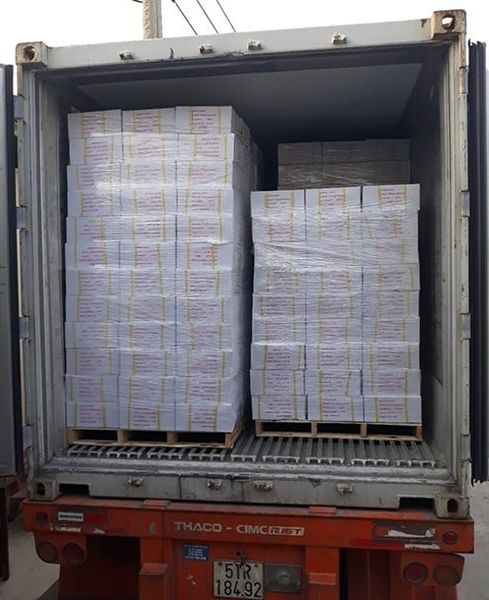
- Transport and Packing: Fresh ginger is usually packed in packaging that complies with the standards for transporting and packing food. This ensures the ginger will not be damaged during transport.
- Declaration Procedures: The exporting business must complete the declaration procedures with the authorities. The necessary documents include the export invoice, the phytosanitary certificate (if any) and related paperwork.
- Phytosanitary Inspection: Before export, ginger is usually subject to phytosanitary inspection to ensure no pests or harmful bacteria accompany it. This process ensures the exported ginger meets the food safety requirements of the importing country.
- Regulations on Invoices and Documents: To carry out the export, invoices and documents must be prepared completely and accurately. This ensures the export process runs smoothly.
Full-Service Company for Exporting Fresh Ginger (Procedures and Transport)
Embassy Freight Services (VN) provides a comprehensive solution for businesses that wish to export fresh ginger from Vietnam to other countries around the world, especially exporting fresh ginger to China, Japan, etc.
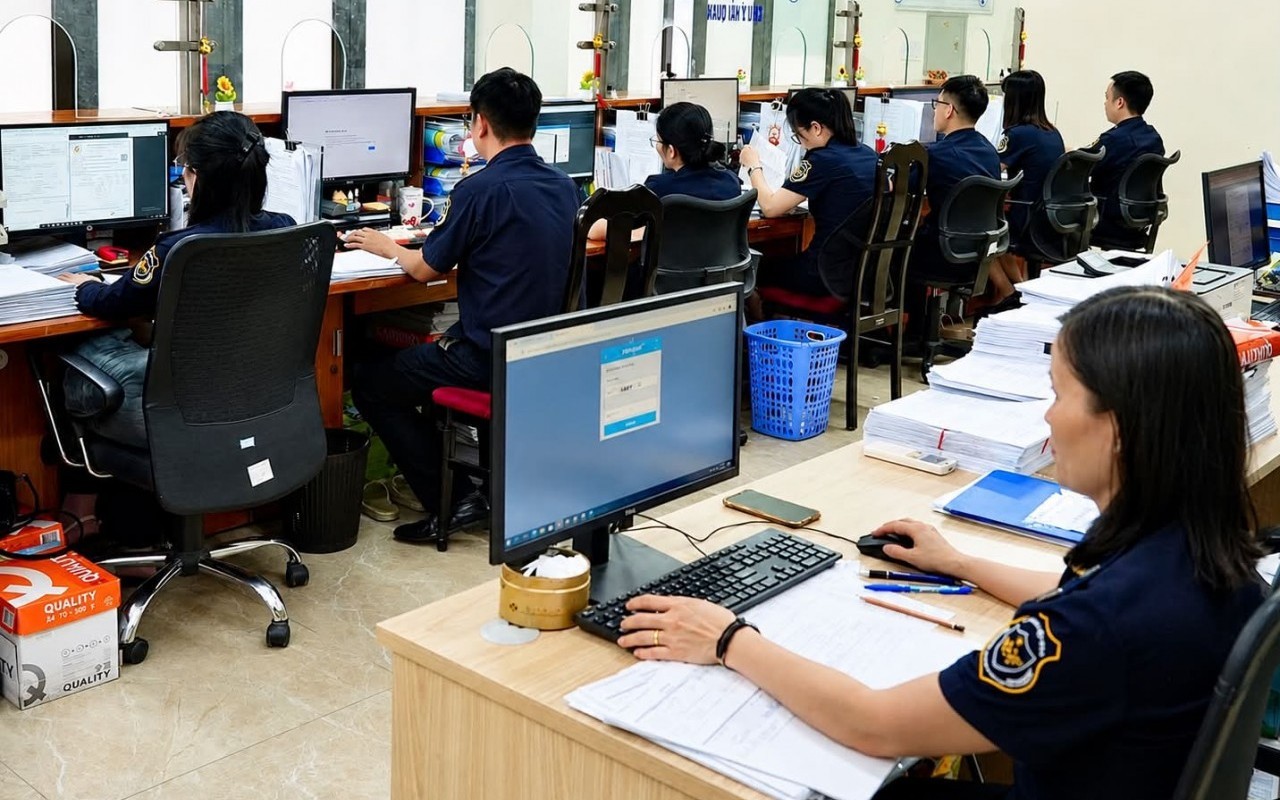
Our team of specialists will help customers complete customs procedures and transport goods conveniently and quickly.
We are committed to providing professional and efficient service to our customers. Our team of specialists will support customers throughout the customs process, including preparing the necessary documents and answering any questions related to the import and export of goods.
In addition, we also provide reasonable and safe freight services. We have a team of professional drivers and ensure our customers' goods are transported to their destination safely and on time.
With our extensive experience and in-depth knowledge in this field, we are confident we can give our customers a perfect service experience that meets all their needs. Contact us for advice and support!
Benefits of Choosing Embassy Freight Services (VN) to Support Fresh Ginger Export
Embassy Freight Services (VN) is one of the leading companies specializing in export support services in Vietnam. Thanks to our experience and expertise, we have built a system of high-quality services that meet customers' needs and requirements to the fullest.
For the agricultural sector, and especially fresh ginger export, Embassy Freight Services (VN) provides efficient and cost-effective transport solutions while ensuring product quality is preserved and the goods are transported safely. Some benefits of choosing Embassy Freight Services (VN) to support fresh ginger export:
- A professional team with experience and in-depth knowledge of the export freight process.
- A diverse, flexible transport system suited to each customer's needs.
- Professional packing and product preservation services that ensure the quality and safety of the goods.
- Support with customs procedures and documents related to exporting goods.
- Reasonable, competitive prices on the market.
With the benefits above, Embassy Freight Services (VN) is a trustworthy, ideal partner for businesses in the agricultural sector, especially fresh ginger export.
Contact Information
EMBASSY FREIGHT SERVICES (VIETNAM)
Address: Room 4.25, 4th Floor, 8 Hoang Minh Giam, Ward 9, Phu Nhuan District, Ho Chi Minh City.
Email: info@embassyfreight.com.vn
Contact for Consultation:
- 0936911656 (HCM) - Embassy Freight Services (VN) – Southern Region
- 0937361637 (Hanoi) - Embassy Freight Services (VN) – Northern Region
Need a shipping quote?
Embassy Freight offers sea freight, air freight and full-service customs clearance. Get a free quote or explore our services.