When planning import-export, many businesses focus only on freight rates or customs declaration fees, forgetting that logistics also involves many incidental costs. These fees may be small on each shipment, but added up over a month or a year they can significantly raise operating costs and cut into profit.
In particular, for businesses that export regularly, failing to identify and control the hidden costs in logistics can lead to budget overruns, delayed delivery and damage to their reputation with partners. So which costs do businesses often overlook? And how can you limit them? Let's find out in the article below.
What Are Hidden Costs in Logistics?
Hidden costs in logistics are fees that are not charged directly in the initial freight rate or that businesses do not fully budget for when planning. These fees often arise from: delays, documentation errors, inefficient management, a lack of import-export experience, and changes in shipping line or port policies. Without good control, total logistics costs can rise considerably even if the initial freight rate does not change.

1. Container Demurrage
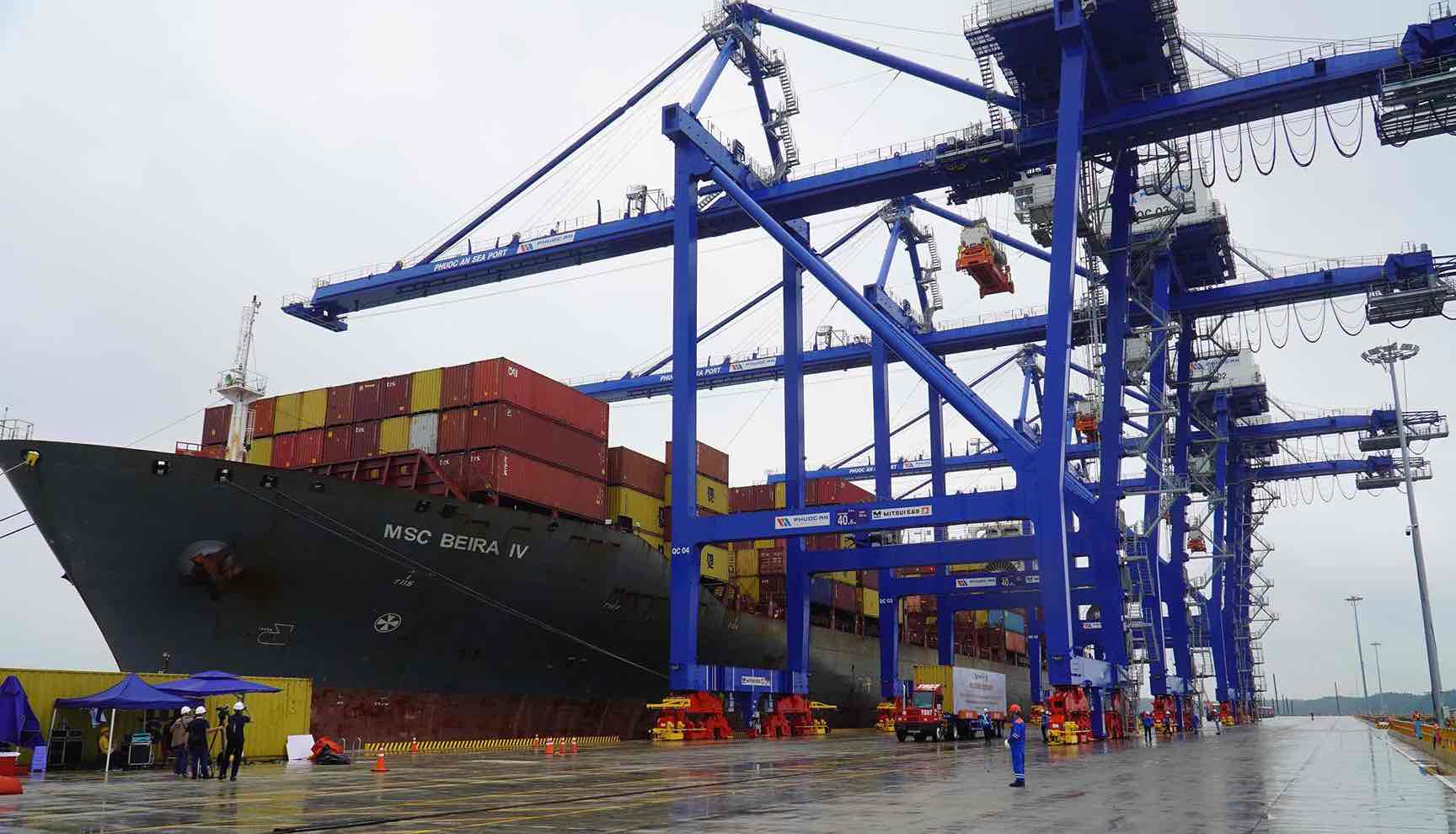
Demurrage is a fee charged when a container sits at the port beyond the free time set by the shipping line. Common causes include:
- Delayed clearance.
- Incomplete documentation.
- Goods being physically inspected.
- Late tax payment.
- No vehicle arranged to collect the goods.
This fee can increase day by day and become a burden if the business does not handle it promptly.
2. Container Detention
Detention arises when a business holds the shipping line's container beyond the free time after taking the goods out of the port. Common causes include:
- Slow unloading of the goods.
- Incomplete de-vanning.
- Late return of the empty container.
- A shortage of transport vehicles.
Without good management of the container return schedule, a business may have to pay a fairly large fee.
3. Storage Fees
Unlike demurrage, storage fees are charged by the port or warehouse when goods stay beyond the allowed time. These costs often arise when:
- Customs procedures are not yet complete.
- Goods are held for inspection.
- No vehicle has been arranged to collect the goods.
- Document processing is slow.
Prolonged storage time not only increases costs but also affects delivery timelines.
4. Shipping Line Surcharges
Beyond the freight rate, shipping lines apply many types of surcharge, such as:
- THC (Terminal Handling Charge).
- CIC (Container Imbalance Charge).
- PSS (Peak Season Surcharge).
- BAF (Bunker Adjustment Factor).
- CAF (Currency Adjustment Factor).
- Container cleaning surcharge.
- Security surcharge.
If a business compares only freight rates without considering all surcharges, the actual total cost can be much higher than expected.
5. Costs from Documentation Errors
Even a small error on a document can lead to several additional costs. For example:
- Wrong consignee name.
- Wrong HS code.
- Wrong quantity.
- Wrong weight.
- Wrong declared value.
- Wrong information on the Bill of Lading.
These errors can force a business to:
- Correct the documents.
- Reissue the bill of lading.
- Experience delayed clearance.
- Incur container demurrage and storage fees.
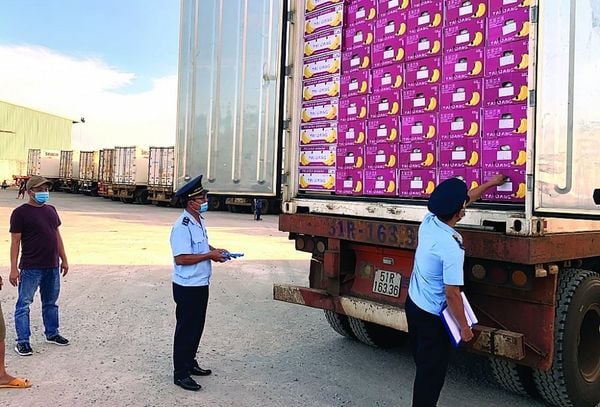
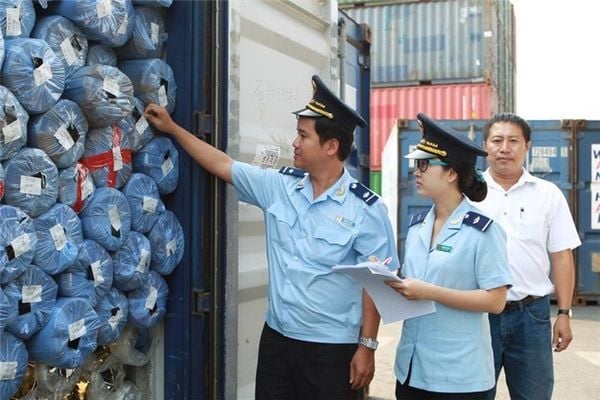
6. Physical and Specialized Inspection Costs
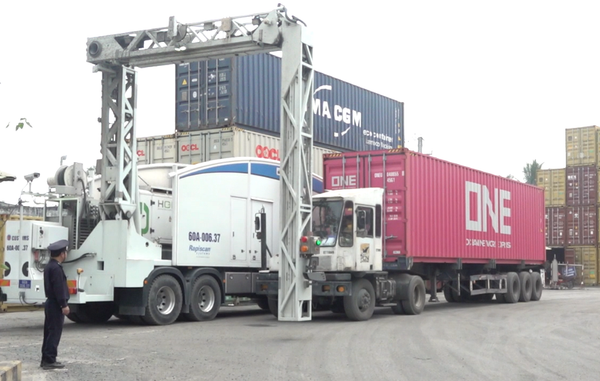
If a declaration is routed to the red channel or the goods are subject to specialized management, a business may incur:
- Physical inspection fees.
- Handling costs.
- Container opening costs.
- Repackaging costs.
- Appraisal costs.
- Sampling and testing costs.
These are fees that are often not anticipated when planning import-export.
7. Costs from Late Delivery
When goods are delivered late, a business may face:
- Penalties for breach of contract.
- Lost orders.
- Urgent transport costs.
- Reduced credibility with customers.
- Higher storage costs.
This is one of the indirect costs, but it has a very large impact on business performance.
8. Costs from Unsuitable Packaging
Many businesses choose cheap packaging to save on initial costs, but end up bearing large losses from damaged goods. Some common risks include:
- Goods becoming damp or moldy.
- Metal corroding.
- Food deteriorating in quality.
- Goods shifting inside the container.
- Packaging tearing or deforming.
Investing in solutions such as desiccant bags, oxygen absorbers, dunnage air bags, anti-rust materials or temperature monitoring devices significantly reduces the costs of damaged goods.
9. Inventory Management Costs
Holding inventory too long leads to:
- Warehouse rental costs.
- Preservation costs.
- Insurance costs.
- Labor costs.
- Loss of goods.
- Product depreciation.
Effective inventory management helps businesses reduce financial pressure and optimize cash flow.
10. Costs from Lacking a Professional Logistics Provider
Choosing a logistics partner based on low price alone can leave a business facing:
- Vessel delays.
- A lack of updated information.
- Slow incident handling.
- Numerous surcharges.
- A lack of advice on import-export regulations.
A reputable logistics provider does not just offer transport services; it also helps businesses optimize the entire supply chain and limit additional costs.
How to Limit Hidden Costs in Logistics?
Businesses can significantly reduce incidental costs by:
- Planning shipments early.
- Preparing complete and accurate documentation.
- Tracking the vessel schedule and container free time.
- Coordinating closely with the Freight Forwarder and carrier.
- Optimizing packaging and preservation processes.
- Tracking logistics costs for each shipment.
- Applying logistics and inventory management software.
- Regularly evaluating supply chain performance.
Proactively controlling the process helps businesses avoid many unnecessary costs.
The Benefits of Controlling Logistics Costs Well
By identifying and effectively managing hidden costs, businesses gain many benefits:
- Lower total logistics costs.
- Higher profit per order.
- Shorter clearance time.
- Fewer surcharges.
- On-time delivery.
- Enhanced reputation with customers.
- Greater competitiveness in the international market.
This is an important foundation for sustainable growth in import-export operations.
Conclusion
In import-export operations, logistics costs do not stop at the freight rate. Fees such as container demurrage, storage, shipping line surcharges, documentation errors, physical inspection or costs from damaged goods can all significantly raise the total cost if left uncontrolled.
Understanding the hidden costs in logistics that businesses often overlook helps you proactively build a plan, choose a suitable logistics partner and optimize the entire supply chain. This is a solution for saving costs, boosting competitiveness and achieving sustainable growth. If you are looking for a reputable, high-quality provider of end-to-end import-export services, contact Embassy Freight right away via Hotline: 0936 911 656 for the earliest possible consultation and quotation!
Need a shipping and import-export quotation?
Embassy Freight provides sea freight, air freight, customs declaration and turnkey import-export outsourcing. Get a free quote or explore our services.