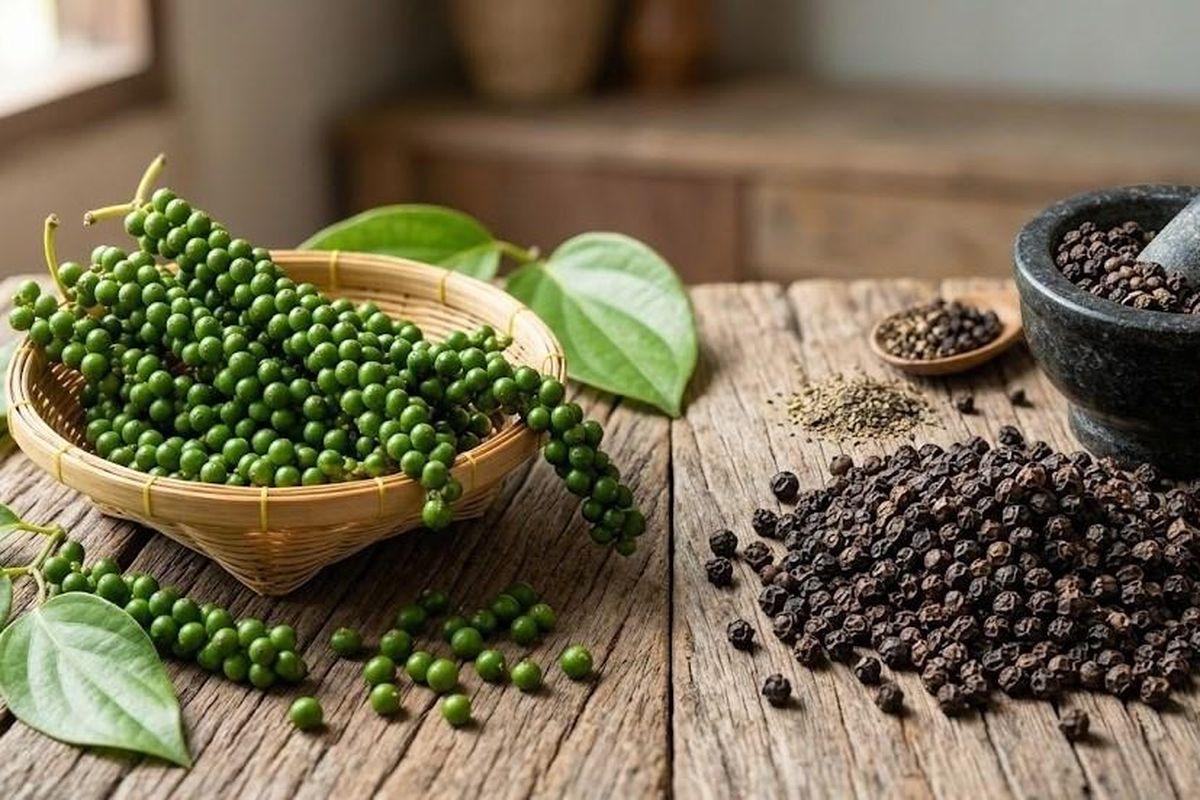
The European Union is one of the largest importers of Vietnamese pepper, with stable demand and high export value. Yet it is also a market known for strict standards on food safety, product quality, and supply-chain sustainability.
Just one small error in production, packaging, or shipping can cause a shipment to be held, returned, or lose its tariff preference. So what are the challenges of exporting pepper to Europe, and what should businesses prepare to meet this market's requirements? Let's explore in the article below.
Why Europe Is a Promising Market for Vietnamese Pepper
The EU has strong demand for spices, especially pepper, serving the food-processing industry, restaurants and hotels, retail chains, organic food, and packaged spices. The EVFTA agreement lets Vietnamese pepper enjoy tariff preferences if it fully meets the rules of origin and the technical conditions.
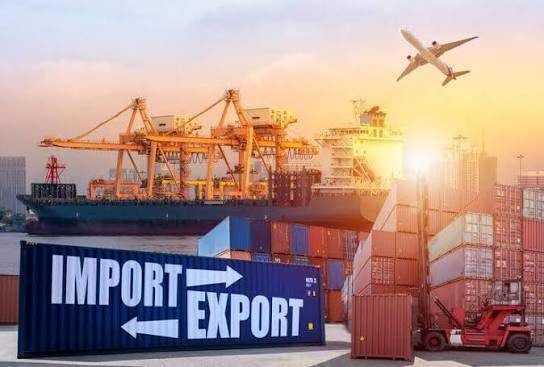
Challenges of Exporting Pepper to Europe
1. Strict Food Safety Standards
This is the biggest challenge for exporters. The EU applies many strict rules on pesticide residues (MRLs), heavy metals, microorganisms, mycotoxins, and food contaminants. If the permitted limits are not met, a shipment can face additional inspection, import refusal, or forced re-export.
2. Traceability Controls
European importers require proof of the raw-material area, production process, farming logs, harvest records, processing records, and packaging records. Traceability builds customer trust and satisfies export requirements.
3. High Product-Quality Requirements
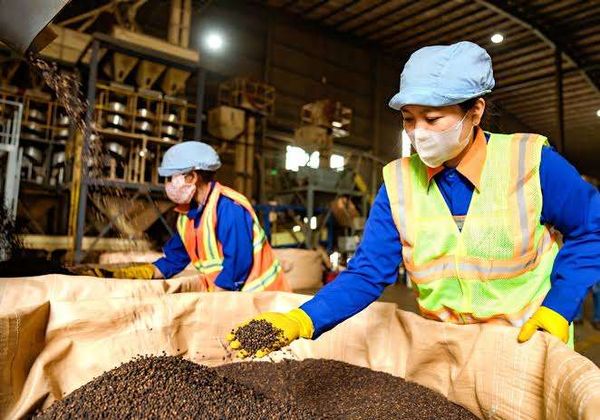
Export pepper must ensure appropriate moisture, uniform color, low impurity content, no insects or mold, and quality that meets the contract standards. Inconsistent quality directly affects a company's reputation.
4. Risks in Transit
Pepper is usually shipped by sea over 25-45 days. If storage conditions are unsuitable, businesses may encounter moisture absorption, Container Rain, torn packaging, loss of natural aroma, and mold growth.
5. Volatile Logistics Costs
Businesses face many costs such as ocean freight, peak-season surcharges, THC, warehouse costs, and container detention. Failing to optimize the logistics plan reduces export profit.
6. Packaging and Labeling Requirements
Packaging must offer moisture resistance, good load-bearing strength, product-quality protection, and labeling that complies with EU rules. Information on the packaging must be clear, complete, and consistent with the export documents.
7. Competition from Other Countries
Besides Vietnam, the EU also imports pepper from Brazil, Indonesia, India, and Sri Lanka. Businesses therefore need to raise product quality and optimize costs to keep a competitive edge.
Solutions to Help Pepper Exporters
Build Standard-Compliant Raw-Material Areas
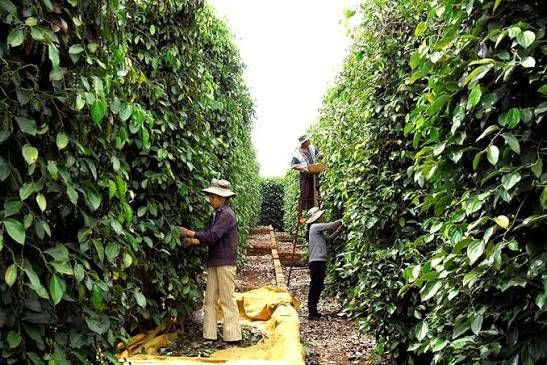
Businesses should partner with growing areas that meet standards such as GlobalG.A.P, VietGAP, and Organic where suitable. This helps control quality from the input stage.
Strengthen Quality Control
Carry out periodic checks of moisture, impurities, microorganisms, and pesticide residues. Testing before export reduces the risk of refusal at the destination port.
Optimize Preservation Solutions
To limit the impact of humidity during transport, businesses should:
- Use container desiccants.
- Hang desiccant strips inside the container.
- Use standard-compliant pallets.
- Inspect the container's condition before loading.
These solutions reduce condensation and limit mold.
Standardize the Packaging Process
- Packaging must ensure: moisture resistance, dust resistance, impact resistance, and suitability for ocean transport.
- It must also carry complete information on: product name, origin, batch number, weight, production date, and any details required by the customer and import regulations.
Choose a Professional Logistics Partner
An experienced logistics provider supports you with:
- Advice on the optimal shipping option.
- Booking vessels on time.
- Customs declaration.
- Shipment tracking.
- Handling issues that arise during transport.
Common Mistakes Businesses Make
No Humidity Control
This is a common cause of pepper developing mold, losing quality, and generating customer complaints.
Inconsistent Documentation
Missing or mismatched information across documents, labels, contracts, and certificates can slow the clearance process.
Focusing Only on Freight Rates
Choosing a cheap but inexperienced carrier easily leads to late delivery, extra costs, and transit risks.
Not Tracking New EU Regulations
The EU's food-safety and environmental rules are updated regularly. Failing to keep up can create difficulties in the export process.
Trends in Exporting Pepper to Europe
Going forward, the EU market will prioritize products that:
- Have transparent traceability.
- Hold sustainability certifications.
- Are environmentally friendly.
- Use recyclable packaging.
- Offer consistent quality.
- Meet international food-safety standards.
Businesses that invest in digital transformation, supply-chain management, and modern logistics will have more opportunities to expand market share in Europe.
Conclusion
Exporting pepper offers many opportunities, but comes with no shortage of challenges around quality standards, food safety, traceability, and logistics. Businesses need to build their supply chain, invest in quality management, optimize preservation solutions, and partner with a reputable logistics provider.
An effective logistics strategy not only cuts costs and limits risk but also strengthens brand reputation, creates a competitive edge, and opens up sustainable export opportunities in the European market.
If you are looking for a reliable, high-quality pepper import-export service, contact Embassy Freight now via Hotline 0936911656 for prompt advice and a quote!
Need a shipping quote?
Embassy Freight provides full-service ocean freight, air freight, and customs clearance. Get a free quote or explore our services.