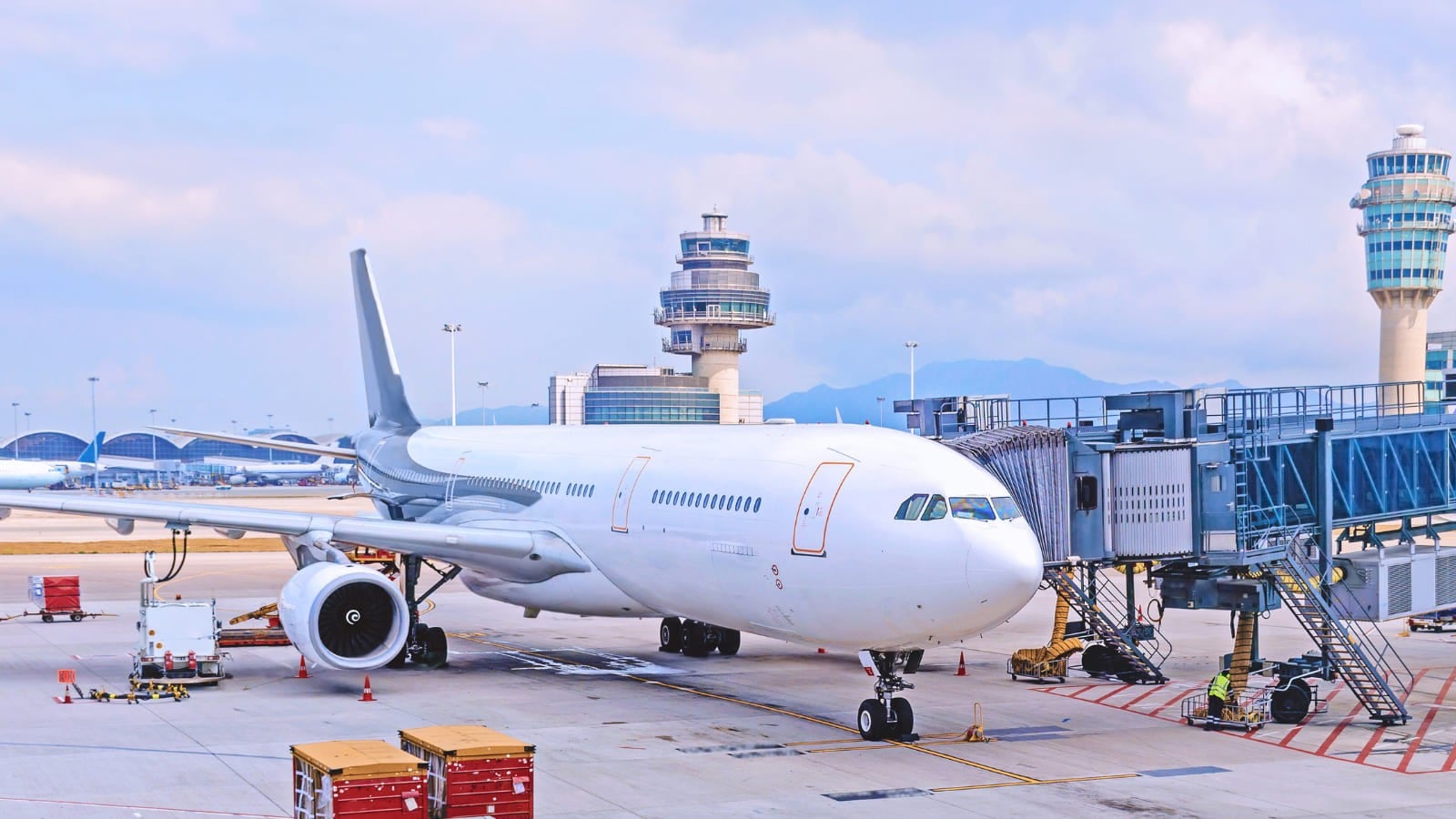
What do you need to prepare to ship from the USA to Vietnam by air? It's a common question when you need to move components, machinery, spare parts, equipment, samples or commercial goods from the United States to Vietnam.
US–Vietnam air freight is the choice when transit time is a priority and you want more control over the delivery schedule. But for a shipment to move smoothly, you need to prepare details on the goods, shipper, consignee, pickup address, dimensions, weight, documents and more.
If you buy on EXW terms, you'll need to prepare the US supplier's address so the logistics provider can arrange collection and move the goods to a suitable airport. So what exactly do you need to prepare to ship from the USA to Vietnam by air? Let's look at the details.
What Is Air Shipping from the USA to Vietnam?
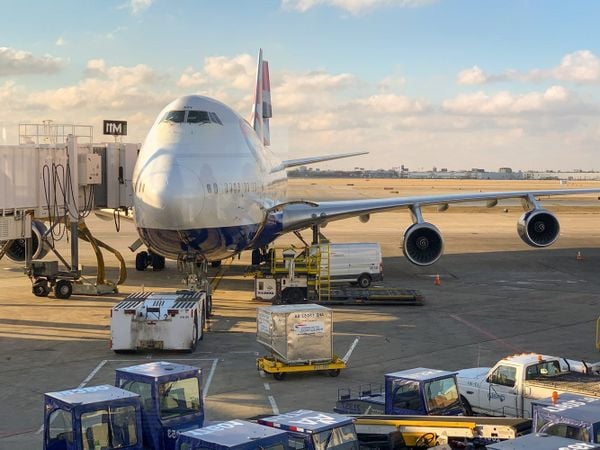
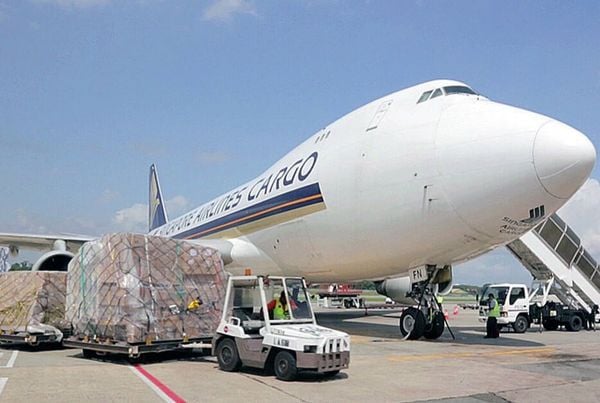
Air shipping from the USA to Vietnam is a form of international transport by air, often called air freight or air cargo. A basic journey may include:
US supplier → Pickup → US domestic transport → Airport/Gateway → Air Freight → Vietnam → Customs clearance → Delivery.
Depending on the sales agreement and delivery terms, you can organize each stage yourself or use a logistics service to connect the whole journey.
What to Determine before Air Shipping from the USA to Vietnam
Before requesting a quote, you should clearly determine 5 groups of information:
- What are the goods being shipped?
- Where are the goods located in the USA?
- How much do they weigh and what are the dimensions?
- Who is responsible for transport from the supplier to the airport?
- Where will the goods be delivered in Vietnam?
These are the basics a logistics provider needs to assess the shipping route, pickup plan, airport/gateway, air freight rate and related costs.
1. Prepare Detailed Cargo Information
The first thing to prepare is an accurate description of the goods. You should provide: item name, function, material, model, brand if any, quantity, unit of measure, HS Code if determined, goods value, product photos if needed, etc.
Don't provide only a generic name like "machinery", "equipment", "components" or "spare parts". For example, instead of writing "machine component" provide something more specific such as: "Replacement part for packaging machine, model XYZ, steel material, contains no battery."
2. Prepare Quantity and Number of Packages
The logistics provider needs to know exactly how many packages the shipment contains. For example: 5 cartons, 2 wooden crates, 1 pallet, 10 packages of spare parts, etc. This affects US domestic transport arrangements, cargo handling at the airport and how the rate is calculated. If an order has many packages of different sizes, list each package rather than giving only a total count.
3. Prepare the Dimensions of Each Package
This is critical information for air shipping. You should provide:
Length × Width × Height of each package.
For example:
- Package 1: 80 × 60 × 50 cm.
- Package 2: 100 × 70 × 60 cm.
- Package 3: 120 × 80 × 70 cm.
Don't provide only total dimensions or total weight. The reason is that air cargo can involve volumetric weight. A light but bulky package can still take up a lot of shipping space. So the more accurate the dimensions, the closer the quote is to reality.
4. Prepare the Cargo Weight
You should provide:
- Weight of each package.
- Total weight.
- Unit: kg or lb.
For example: 10 packages × 25 kg/package = 250 kg.
If the goods are fully packed, use the gross weight including packaging for a closer quote. Beyond actual weight, the carrier may need to calculate volumetric weight based on package dimensions.
5. Prepare the US Pickup Address
If the goods must be collected from a US supplier, the pickup address should be provided as completely as possible. It should include: company name, street number and name, city, state, ZIP Code, contact name, phone, email, working hours, cargo-ready date, etc. For example:
- Company name: ABC Company
- City: Los Angeles
- State: California
- ZIP Code: XXXXX
- Contact: John
- Phone: XXXXX
An accurate address helps determine the pickup plan and the domestic transport cost in the USA.

6. If the Goods Are EXW, What Do You Need to Prepare?
If you buy on EXW (Ex Works) terms, pay special attention to collection. In that case, prepare: the EXW address, seller information, contact person, cargo-ready date, number of packages, dimensions, weight, packing condition, pickup requirements if any, etc. The journey may be:
Supplier → EXW Pickup → US domestic trucking → Airport/Gateway → Air Freight → Vietnam.
If you have several suppliers in different states, each address needs to be checked separately to build a suitable pickup plan.
7. Prepare the Commercial Invoice
The Commercial Invoice is one of the key documents in international transactions and goods declaration. You should check the basic details on the invoice, such as: seller, buyer, goods description, quantity, unit price, total value, trade terms, etc.
The goods description on the invoice must match the actual goods. Don't use a description that is too vague or that doesn't reflect the true nature of the goods.
8. Prepare the Packing List
The Packing List provides information on how the shipment is packed. It typically shows: number of packages, packaging type, quantity, weight, dimensions, packing specifications, etc. The Packing List is especially useful when a shipment has many packages or many types of products.
9. Prepare the HS Code If Available
The HS Code helps identify the goods category and supports checks on import policy, duties and related requirements. If you already have the HS Code, provide it from the start.
If not yet determined, provide a full goods description + photos + catalogue/specification if available so it can be reviewed. Don't assign an HS Code based on the product name alone without enough technical information.
10. Check Whether the Goods Are Restricted for Air Transport
Not every kind of goods can travel by air in the standard way. Some categories may need special screening, such as: batteries, chemicals, liquids, pressurized containers, devices with lithium batteries, magnetic goods, aerosols, dangerous goods, etc.
For such special cargo, you must declare it accurately to the logistics provider. Do not hide or misrepresent the nature of the goods to cut costs or simplify procedures, as this can create risks during transport and clearance.
11. Check Vietnam Import Regulations
Before shipping, determine whether the goods fall under: standard import, specialized management, quality inspection, quarantine, permit requirements, special certification requirements, etc.
This is especially important for machinery, equipment, foodstuffs, conditional products or goods under specialized management. Checking before shipping helps avoid situations where the goods arrive in Vietnam but the paperwork doesn't yet meet requirements.
12. Prepare the Consignee Details in Vietnam
You need to provide the consignee's details: company name, address, tax code, contact person, phone, email, delivery address, etc. For an importing business, the legal-entity details must match the documents and related records.
13. Determine the Airport and Shipping Route
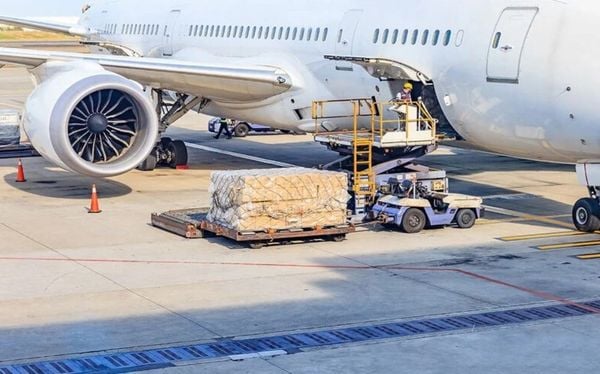
Goods don't necessarily have to depart from the airport nearest the supplier. Depending on the pickup address, the logistics provider may choose:
Pickup → Trucking → Airport/Gateway → Air Freight → Vietnam.
Airport selection needs to weigh: distance from the seller's warehouse, trucking cost, flight schedule, cargo capacity, connectivity, transit time, total cost. So all you need to provide is the address where the goods are located in the USA. The carrier can advise on a suitable plan.
14. Determine the Delivery Address in Vietnam
You should decide in advance where the goods will be delivered: Ho Chi Minh City, Dong Nai, Binh Duong, Hanoi, Hai Phong, Da Nang, etc. If your business is in the southern region, setting a delivery address in Ho Chi Minh City, Dong Nai or Binh Duong helps build a suitable delivery plan.
15. Prepare the Cargo-Ready Date
The logistics provider needs to know when the supplier can hand over the goods. For example:
Cargo Ready Date: 15/08/2026
This information supports proactive planning for: booking the pickup, arranging warehouse space, selecting the flight schedule, preparing documents, estimating delivery time, etc. If the goods aren't ready yet, don't book transport too close to the estimated date.
What Do US–Vietnam Air Freight Rates Depend On?
When requesting a quote, businesses often only ask about the air freight rate per kg. But the total cost can include several components:
US pickup + Domestic trucking + Air Freight + Handling fees + Airport fees + Customs clearance + Delivery in Vietnam.
The rate depends on: actual weight, volumetric weight, package dimensions, number of packages, pickup address, airport/gateway, goods type, flight schedule, surcharges, delivery address, etc. So when requesting a quote, send full shipment details.
How Long Does Air Shipping from the USA to Vietnam Take?
Transit time isn't counted only from takeoff. The total time can include:
US pickup → Trucking → Airport handling → Air Freight → Transshipment if any → Clearance in Vietnam → Delivery.
So the actual time depends on: the supplier's location, pickup schedule, departure airport, flight schedule, transshipment point, import procedures, delivery address, etc. With full information, you can be advised on a plan that fits your desired timing.
When Should You Choose Air over Ocean?
Air freight is suitable when: goods are urgent, samples need to arrive quickly, production components need topping up, machine spare parts need replacing, goods are high in value, the shipment isn't too large, you prioritize time, etc.
Conversely, if goods are large, bulky and not time-sensitive, you might consider ocean to optimize cost.
The Process of Air Shipping from the USA to Vietnam
- Send Shipment Details: Item name, quantity, weight, dimensions and value.
- Provide the US Address: Supplier address + City + State + ZIP Code.
- Determine the Delivery Terms: For example EXW or another trade term.
- Check the Nature of the Goods: Determine whether the goods need special handling.
- Advise on the Air Freight Plan: Determine pickup, airport/gateway and route.
- Pickup in the USA: Coordinate with the supplier to collect the goods.
- Transport to Vietnam: The goods are loaded onto a suitable flight.
- Customs Clearance: Handle import procedures based on documents and goods type.
- Delivery: Deliver to your warehouse or business address.
Embassy Freight Supports Air Shipping from the USA to Vietnam
Embassy Freight provides US–Vietnam air freight solutions for businesses that need to move goods from many US regions to Vietnam. The service can advise on: EXW pickup in the USA, pickup at the supplier, US domestic trucking, air freight, cargo document guidance, import process support, etc.
In particular, Embassy focuses on customers and businesses in Ho Chi Minh City, Dong Nai and Binh Duong that import components, machinery, spare parts, equipment, samples and commercial goods from the USA.
US–Vietnam Air Shipping Checklist
Before requesting a quote, you can quickly review:
- Cargo information: Item name, quantity, number of packages, dimensions of each package, weight of each package, goods value, photos/catalogue if needed, etc.
- US pickup information: Supplier name, address, City, State, ZIP Code, contact person, phone, cargo-ready date.
- Documents: Commercial Invoice, Packing List, buyer/seller details, HS Code if available, specialized documents if needed.
- Vietnam-side information: Importing company name, tax code, address, contact person, delivery address.
Conclusion
For a shipment to move smoothly, prepare full details on the goods, number of packages, dimensions, weight, pickup address, EXW terms if any, documents and delivery address. In particular, for air cargo, providing accurate dimensions and weight for each package helps the logistics provider assess the chargeable weight and total cost more closely.
Embassy Freight offers advice on US–Vietnam air freight, EXW pickup across many US regions, connections to a suitable airport/gateway and delivery to Ho Chi Minh City, Dong Nai, Binh Duong. If you're preparing to ship from the USA to Vietnam, get ready with:
Item name + number of packages + dimensions + weight + EXW/pickup address in the USA + cargo-ready date + Vietnam delivery address.
These are the key details for starting to build a suitable US–Vietnam air freight plan. Contact us now on our Hotline: 0936911656 for prompt advice and a quote!
Need a shipping quote?
Embassy Freight provides end-to-end ocean freight, air freight and customs clearance. Get a free quote or explore our services.