Vietnam is one of the world's fruit-exporting nations, with flagship products such as durian, dragon fruit, mango, banana, jackfruit, longan, lychee, rambutan, and pomelo. Yet fresh fruit has a short shelf life and is sensitive to temperature, humidity, and transit time.
That is why cold chain logistics plays a decisive role in preserving product quality and strengthening competitiveness in international markets.
A properly run cold chain logistics system helps businesses reduce post-harvest loss, extend shelf life, meet the import standards of demanding markets, and optimize operating costs.
What Is Cold Chain Logistics?
Cold chain logistics is a system for managing and moving goods under continuously controlled temperature, from harvest through delivery to the customer. For fruit export, the cold chain includes:
- Harvesting at the right time.
- Pre-cooling.
- Cold storage.
- Packaging.
- Transport by refrigerated truck.
- Reefer containers.
- Temperature monitoring throughout the journey.
- Delivery to the importer's warehouse.
A break in just one link of the cold chain can reduce quality or spoil the entire shipment.
Why the Cold Chain Matters for Fruit Exporters
Fresh fruit continues to respire after harvest. Without proper storage, products will lose water, soften, change color, lose flavor, become prone to mold, and have a shorter shelf life. Maintaining a stable temperature throughout the logistics chain helps:
- Keep fruit fresh.
- Reduce loss.
- Ensure quality when it reaches the buyer.
- Meet phytosanitary requirements.
- Increase export value.
Challenges in Cold Chain Logistics
1. Continuous Temperature Control
Each type of fruit has a different optimal storage temperature. If the temperature is too high:
- Fruit ripens quickly.
- Weight loss occurs.
- Shelf life shortens.
If the temperature is too low:
- Some tropical fruits can suffer chilling injury.
- Color fades.
- Sensory quality declines.
2. Long Transit Times
Routes to Europe, the United States, Canada, and the Middle East often take 20-45 days. Throughout this period, the refrigeration system must run stably to maintain product quality.
3. High Cold Chain Costs
Compared with ordinary transport, cold chain logistics adds costs: cold storage, reefer containers, electricity, temperature-monitoring equipment, equipment maintenance, and specialized packaging. Businesses need to optimize the process to lower costs while maintaining quality.
4. Risks in Transit
Common risks include a reefer container losing power, refrigeration equipment failure, vessel delays, clearance delays, and a break in the cold chain. Such incidents can seriously affect shipment quality.
Effective Cold Chain Logistics Solutions
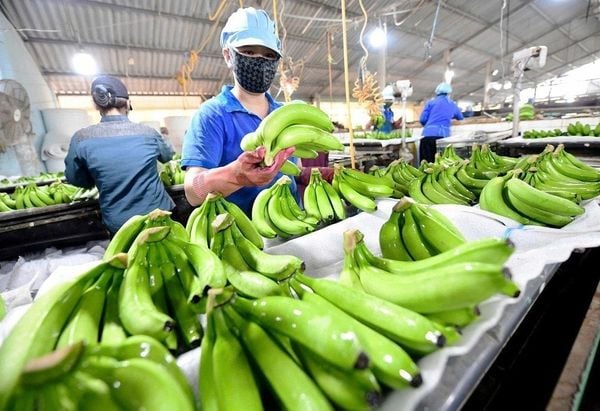
Harvest and Pre-cooling
Pre-cooling right after harvest helps:
- Remove field heat.
- Slow the respiration rate.
- Limit water loss.
- Extend shelf life.
This is a crucial step for maintaining fruit quality throughout the supply chain.
Cold Storage
Cold storage requires tight control of temperature, humidity, ventilation, and warehouse hygiene. Proper storage limits the growth of microorganisms and reduces post-harvest loss.
Use Reefer Containers
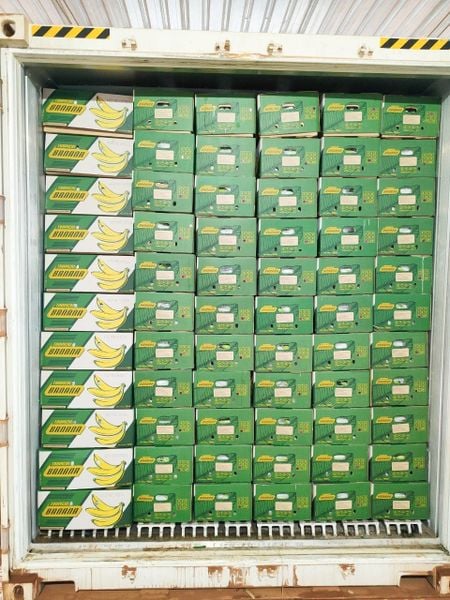
Reefer containers help maintain a stable temperature, adjust ventilation, control humidity, and protect product quality during ocean transport. Before loading, check the container's technical condition to ensure the refrigeration system works well.
Real-Time Temperature Monitoring
Devices such as data loggers, IoT sensors, and GPS with integrated temperature sensors help businesses:
- Monitor temperature continuously.
- Detect incidents early.
- Have data for traceability and claims handling.
Optimize Packaging
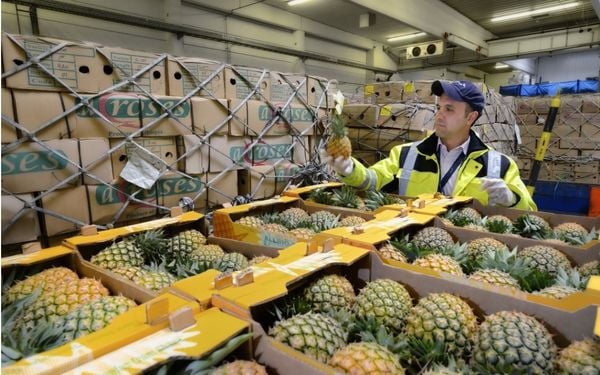
Packaging for export fruit needs to be well-ventilated, load-bearing, impact-resistant, moisture-limiting, and compatible with reefer containers. Loading should also be optimized so cold air circulates evenly inside the container.
The Role of Logistics in the Fruit Supply Chain
A modern logistics system helps businesses:
- Plan transport optimally.
- Manage cold storage efficiently.
- Reduce storage time.
- Track shipments in real time.
- Control logistics costs.
- Meet international delivery schedules.
Criteria for Choosing a Cold Chain Logistics Partner
Businesses should prioritize a provider with:
- Experience shipping export fruit.
- A modern reefer container fleet.
- An international transport network.
- Customs declaration services.
- An online temperature-monitoring system.
- 24/7 incident support.
- Experience with markets such as the EU, the United States, Japan, South Korea, and China.
Common Mistakes Businesses Make
- No Pre-cooling After Harvest: this raises the product's initial temperature, ripening fruit faster and shortening shelf life.
- Breaking the Cold Chain: transferring goods between vehicles without maintaining the right temperature can reduce quality, even if the interruption is brief.
- Unsuitable Packaging: packaging that lacks ventilation or load-bearing strength causes bruising and hampers cold-air circulation.
- No Temperature Monitoring: without monitoring devices, businesses struggle to detect incidents and are at a disadvantage when handling customer claims.
Future Trends in Cold Chain Logistics
The cold chain logistics industry is evolving toward:
- IoT for real-time temperature and humidity monitoring.
- AI to forecast transport demand.
- Smart cold storage.
- Energy-efficient reefer containers.
- Electronic documents (eBL).
- Traceability via QR codes and blockchain.
- Green supply chains that cut carbon emissions.
Investing in technology helps businesses improve operational efficiency and meet the ever-higher demands of import markets.
Conclusion
For fruit exporters, cold chain logistics is the deciding factor in product quality. A tightly controlled cold chain -- from harvest, pre-cooling, and storage to transport -- helps reduce loss, extend shelf life, and raise export value.
Investing in cold storage, reefer containers, and temperature-monitoring equipment, and partnering with an experienced logistics provider, not only helps businesses meet international standards but also creates a durable competitive edge in the global market.
If you are looking for a reliable, high-quality provider of preservation solutions and customs procedures for exported produce, contact Embassy Freight now via Hotline 0936911656 for prompt advice and a quote!
Need a shipping quote?
Embassy Freight provides full-service ocean freight, air freight, and customs clearance. Get a free quote or explore our services.