In international trade, an import-export company has to juggle many tasks at once: moving the cargo, booking space with shipping lines or airlines, filing customs declarations, preparing documents, tracking schedules and delivering to the final destination.
When each of these steps is handled in isolation, the business can lose a great deal of management time, run up extra costs and struggle whenever something goes off-plan. End-to-end logistics services are the answer, tying every link in the supply chain into one seamless process.
From advising on the transport plan and handling documentation to clearing customs, moving the goods and making delivery, every task is coordinated under a single, concrete plan tailored to the characteristics of each shipment.
What Are End-to-End Logistics Services?
End-to-end logistics services bring multiple logistics solutions together within one process, so an import-export company no longer has to manage each carrier or each step on its own. Depending on your needs, a logistics package can include:
- Advising on the logistics plan for import and export cargo.
- Domestic transportation of goods.
- International transport by sea or air.
- Booking vessels and flights.
- Customs declaration and clearance procedures.
- Preparing and checking import-export documents.
- Handling procedures at the port, warehouse or related locations.
- Tracking the transport schedule.
- Delivering to the warehouse or the address you specify.
- Supporting the resolution of any issues that arise during transit.
Using an end-to-end logistics service gives your business a single point of coordination throughout, instead of having to deal with too many separate suppliers.
Why Should Import-Export Companies Use End-to-End Logistics?
For companies that import and export regularly, logistics is far more than simply moving cargo. A single shipment can involve many types of documents, customs regulations, sailing schedules, loading windows, declaration deadlines and delivery requirements.
1. Save Management Time
With an end-to-end logistics service, your business spends far less time contacting and coordinating with multiple providers. The logistics provider takes in the shipment details, advises on a suitable plan and coordinates each of the necessary steps.
2. Streamline the Import-Export Process
A logistics process built right from the start keeps transport, documentation, customs and delivery working in sync with one another.
Planning ahead helps prevent late bookings, missing documents or delivery delays. This is especially critical for shipments on tight timelines, where synchronized coordination between departments plays a decisive role.
3. Support with Customs Procedures
Customs clearance is one of the steps that import-export companies need to watch most closely. The paperwork, cargo information and declarations must be prepared to match each type of import-export activity.
The customs service within a logistics package can help your business with tasks such as verifying cargo information, advising on documentation, filing customs declarations and coordinating the resolution of clearance-related issues.
4. Greater Control Over Shipment Tracking
With an end-to-end logistics service, you can follow the shipment at every stage: from the moment the goods are received and moved domestically, through customs clearance, until the cargo is loaded onto the vessel or aircraft and delivered to its final destination.
Information updated end to end lets you take firmer control of your production, warehousing, customer delivery and distribution plans.
5. Reduce Unnecessary Incidental Costs
Logistics costs are not limited to freight charges. A business can also incur numerous charges tied to domestic transport, port procedures, documentation, warehousing, yard storage or additional services.
By building a complete logistics plan from the outset, you can proactively estimate costs and choose the option that best fits both your budget and the nature of your cargo.
What Do End-to-End Logistics Services Usually Cover?
A complete logistics solution can be designed flexibly around the shipping route, cargo type, delivery method and the company's requirements.
Logistics Plan Consulting
Before transport begins, the logistics provider needs the basic details of the cargo, quantity, weight, dimensions, place of receipt, place of delivery and the expected timing. From this information, your business can be advised on a suitable transport plan covering the route, mode of transport and the services required.
Domestic Freight Transport
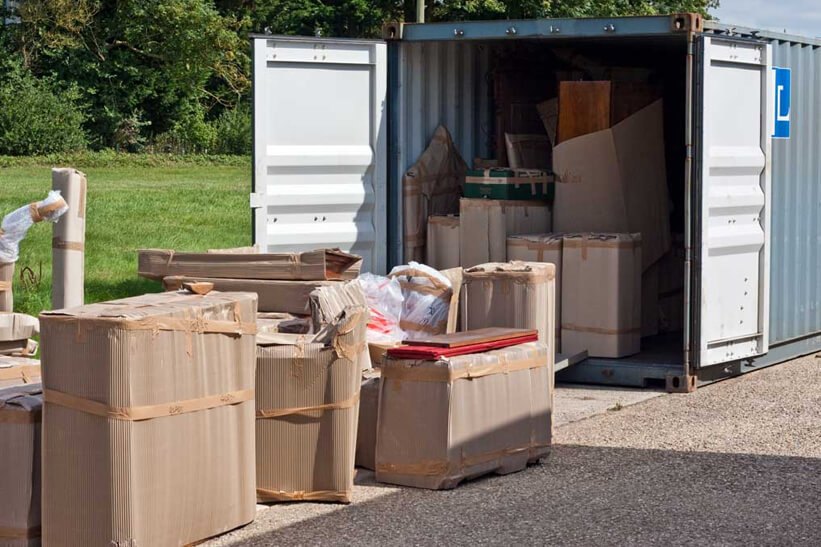
Domestic transport is a vital link for both export and import cargo. For exports, the goods need to be moved from the warehouse to the port, ICD or consolidation point. For imports, the cargo may be carried from the port or a transit warehouse back to your facility.
International Transport
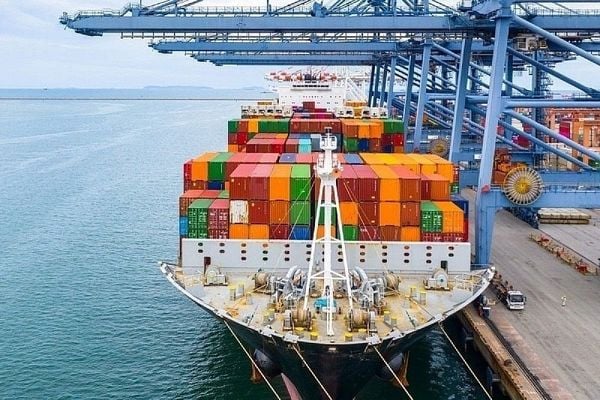
Depending on the nature of the cargo and the delivery timeline, you can choose sea or air freight. International sea freight is generally suited to high-volume shipments, containerized cargo or goods that do not require very short transit times.
Meanwhile, air freight can be the right fit for goods that need fast delivery, high-value items or shipments that are not too large in volume.
Customs Declaration Services
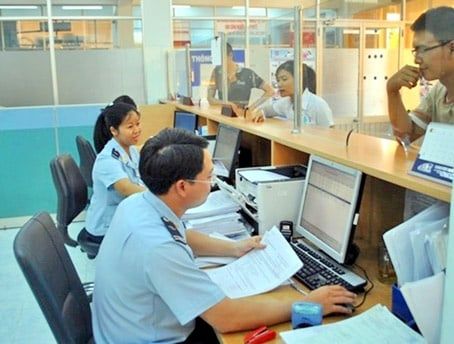
For import-export goods, customs declaration is a critical step in the logistics process. The service provider can help verify the required information, file declarations based on the documents provided and coordinate the handling of any issues that arise during clearance.
Vessel Booking and Schedule Coordination
Booking is a key step for cargo exported by sea. Choosing the right sailing schedule gives your business greater control over loading times, transport to the port and the delivery plan. The logistics provider can help you track bookings, sailing schedules and the key milestones of your shipment.
Cargo Delivery
Once the necessary procedures are complete, the goods are transported to the agreed delivery point. Depending on your needs, you can choose delivery at the port, at a warehouse or door-to-door.
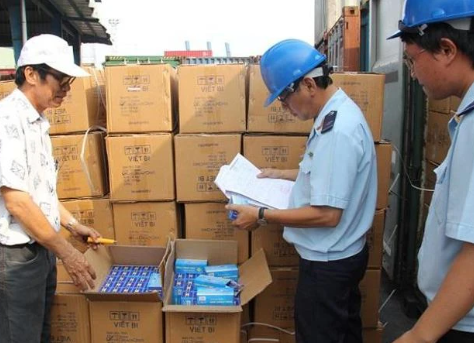
The Process of Using an End-to-End Logistics Service
A professional logistics process is usually rolled out through these core steps:
- Receiving shipment information: Your business provides details on the cargo type, quantity, weight, receipt and delivery locations, expected timing and any special requirements.
- Advising on the transport plan: The logistics provider analyzes your needs and proposes a plan covering the route, mode of transport, schedule and related services.
- Quoting and agreeing the plan: The parties agree on the scope of work, costs, expected timing and how the plan will be executed.
- Preparing documents and procedures: The paperwork related to the shipment is checked and prepared to support declaration, clearance and transport.
- Carrying out transport: The goods are moved from the warehouse to the consolidation point, port or airport and onward to the destination country or location.
- Tracking and updating the journey: Schedule information is updated so your business can actively monitor the status of the shipment.
- Delivery and service completion: The goods are delivered to the agreed location. The related documents and information are handed over and the file is finalized once the shipment is closed.
What Should a Business Keep in Mind When Choosing a Logistics Provider?
Not every logistics service suits every type of cargo. When selecting a provider, a business should weigh several factors:
- Experience in handling import-export cargo.
- The ability to coordinate multiple logistics steps.
- Clear guidance on the scope of services and costs.
- A process for controlling documents and shipment information.
- Support with customs declaration and procedures.
- The capacity to handle both domestic and international transport.
- Proactive schedule updates for customers.
- A contingency plan when sailing schedules, flight schedules or delivery plans change.
- Transparent service pricing that matches actual needs.
Above all, a business should not choose on the basis of low freight rates alone. An effective logistics plan needs to balance cost, time, schedule reliability and suitability to the cargo.
End-to-End Logistics Helps Businesses Optimize the Supply Chain
As import-export activity keeps growing, businesses need a logistics solution capable of connecting many steps rather than relying on a single standalone transport service.
End-to-end logistics services for import-export companies connect everything from consulting, transport, documentation and customs declaration through to delivery. Managing these steps under one unified process can help your business save time, take firmer control of the delivery plan and reduce the problems that stem from a lack of coordination.
For companies with a high frequency of imports and exports, building a long-term logistics partnership also helps standardize processes, keep costs under control and move more confidently when expanding into new markets.
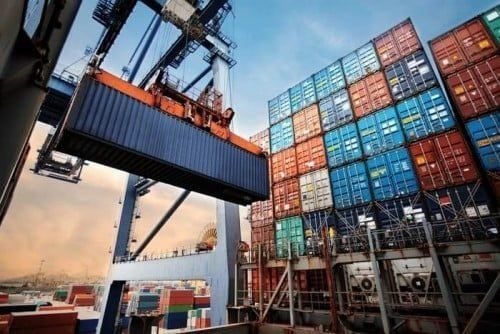
Choosing the Right End-to-End Logistics Service for Your Business
Every shipment differs in cargo type, volume, route, delivery timing and documentation requirements. Rather than applying one fixed approach to every shipment, a business should choose a logistics solution advised on the basis of its actual needs.
An experienced logistics provider will help your business assess each step, from domestic transport and customs services to booking, international transport and final delivery.
If your business is looking for end-to-end logistics services, needs advice on a transport plan for import-export cargo, or requires support with customs-related procedures, contact Embassy Freight now at Hotline: 0936 911 656 for guidance tailored to each shipment.
Need a shipping quote?
Embassy Freight provides end-to-end sea freight, air freight and customs clearance. Get a free quote or explore our services.