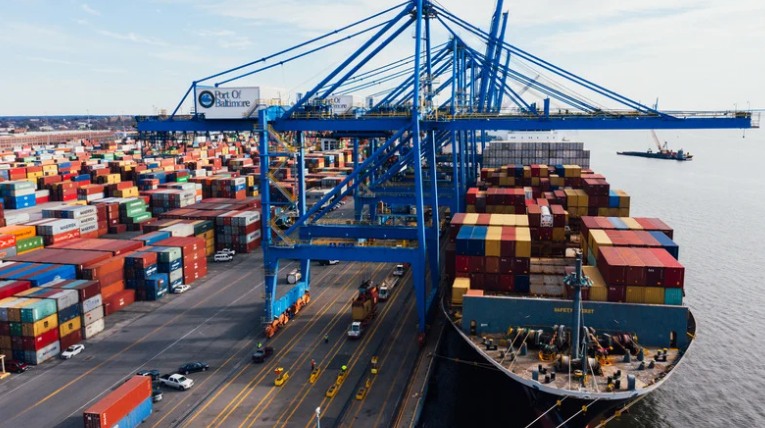
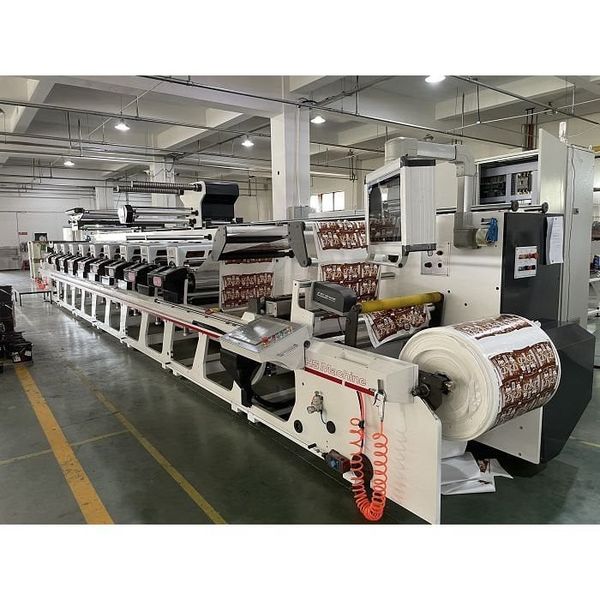
As businesses continually invest in upgrading their technology, importing modern production lines from abroad has become a common way to boost productivity, improve product quality, and strengthen competitiveness.
However, these are high-value goods with a complex import process, tied to numerous regulations on customs, taxation, specialized inspection, and international shipping.
Without careful preparation, you may run into problems such as warehouse costs, installation delays, missing documents, or failure to meet import requirements. That is why understanding the key considerations when importing a production line helps optimize time and cost while minimizing risk.
Why Importing a Production Line Needs Careful Planning
Unlike ordinary goods, production lines typically have:
- A large investment value.
- Large dimensions and heavy weight.
- Many accompanying devices and components.
- Special transport and handling requirements.
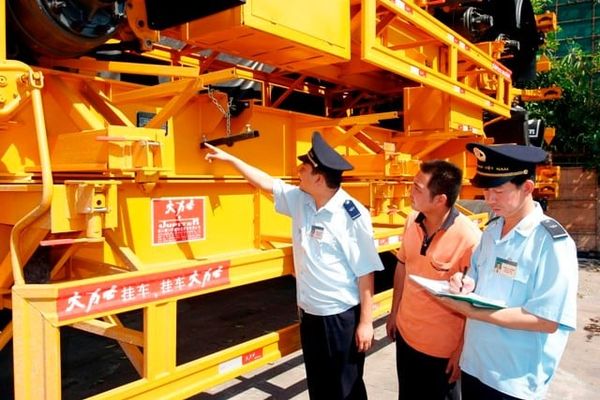
- Possible specialized inspection before clearance.
Planning early helps your business:
- Stay in control of delivery timelines.
- Manage logistics costs.
- Prepare complete import documentation.
- Limit container detention and yard storage costs.
Key Considerations When Importing a Production Line
1. Determine the Correct HS Code
The HS code determines:
- Import duties.
- Value-added tax (VAT).
- Goods-management policy.
- Specialized inspection requirements.
Declaring the wrong HS code can lead to:
- Tax arrears.
- Administrative penalties.
- Delayed clearance.
- Unnecessary extra costs.
Businesses should determine the HS code as early as the contract negotiation stage, or consult a logistics provider or customs advisor.
2. Check Import Policy
Depending on the type of machinery and line, businesses need to determine whether the goods:
- Fall under specialized management.
- Require an import license.
- Must undergo quality inspection.
- Require a conformity or safety certificate.
Checking in advance avoids the situation where goods arrive at port but are not yet eligible for clearance.
3. Prepare Complete Import Documentation
A typical document set includes:
- Sales Contract.
- Commercial Invoice.
- Packing List.
- Bill of Lading / Air Waybill.
- Certificate of Origin (C/O), if applicable.
- Catalogue or technical documentation.
- Certificates required under specialized management.
Complete documentation makes the customs declaration process run smoothly.
4. Choose the Right Incoterms
Delivery terms directly affect:
- Logistics costs.
- The responsibilities of buyer and seller.
- The point at which risk transfers.
Commonly used terms include FOB, CIF, FCA, CIP, DAP, and DDP. Businesses should choose the term that fits their logistics-management capability and import strategy.
5. Choose the Shipping Method
Depending on the size and characteristics of the goods, businesses can choose:
Ocean Freight
- Suitable for: large machinery, complete production lines, oversized and overweight cargo.
- Advantages: lower cost, ideal for heavy goods.
Air Freight
- Used for: critical components, high-value equipment, urgent shipments.
- Advantages: fast transit, reduced installation waiting time.
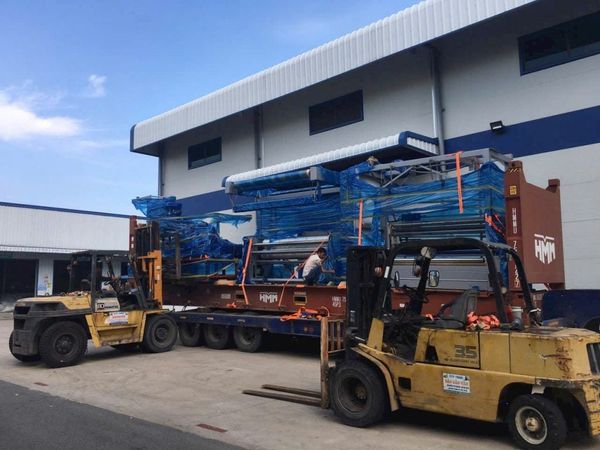
Packing and Shipping Considerations
Ensure Sturdy Packaging
Machinery should be crated in wooden cases that meet ISPM 15 standards, and protected against impact, vibration, and dust. For electronics or precision mechanical equipment, add shock-absorbing materials.
Control Humidity Inside the Container
- Metal machinery can suffer from: oxidation, corrosion, and water-vapor condensation.
- Businesses should: use container desiccants, inspect the container before loading, and stow the cargo properly to limit movement.
Buy Cargo Insurance
Insurance reduces the risk from transport accidents, natural disasters, loss of goods, and damage in transit. For high-value shipments, this is a necessary investment.
Costs Businesses Should Budget For
Beyond the value of the goods, businesses need to account for: international freight, THC, documentation fees, import duties, VAT, specialized inspection fees, handling costs, container detention (if any), inland transport, and on-site installation at the factory.
Full budget planning helps avoid unexpected costs.
Criteria for Choosing a Logistics Provider
An experienced logistics provider will support you with:
- HS code advice.
- Import documentation.
- Customs declaration.
- Licensing, if needed.
- International transport.
- Inland transport.
- Shipment tracking.
- Help resolving unexpected issues.
For large production-line import projects, businesses should prioritize a partner experienced in handling oversized, overweight, or project cargo.
Common Mistakes Businesses Make
- Not Checking Regulations Before Purchasing: Many businesses sign the contract first and only then research import policy, which forces them to supplement documents or incur unexpected costs.
- Wrong HS Code: delayed clearance, tax arrears, administrative penalties.
- Missing Technical Documentation: incomplete catalogues, specifications, or descriptive materials can make classification and customs declaration difficult.
- No Insurance: for a high-value line, going uninsured exposes the business to significant losses if an incident occurs in transit.

Conclusion
Importing a production line is a strategic investment for many businesses. Yet it requires thorough preparation -- from selecting the supplier, determining the HS code, and checking import policy to preparing documentation and choosing the shipping method and logistics partner.
A well-structured logistics plan, backed by a professional logistics provider, helps businesses limit risk, speed up clearance, and ensure the production line goes into operation on schedule.
If you are looking for a reliable, high-quality production-line import service, contact Embassy Freight now via Hotline 0936911656 for prompt advice and a quote!
Need a shipping quote?
Embassy Freight provides full-service ocean freight, air freight, and customs clearance. Get a free quote or explore our services.