Vietnam is a major coffee-exporting nation, shipping to more than 80 countries. Yet keeping every bean at top quality from the mill to the buyer takes more than a good crop, it takes a purpose-built coffee export logistics plan.
A well-run logistics process cuts costs, reduces shipping risk, preserves the quality of the beans and strengthens your competitiveness on the world stage. In this article, let's walk through the complete logistics solutions that coffee exporters need.
Why Coffee Export Logistics Matters So Much
Coffee is a high-value agricultural commodity, but a highly sensitive one, vulnerable to moisture, oxygen, foreign odors, temperature and impact during transit. When logistics are poorly controlled, exporters can run into problems such as:
- Beans absorbing moisture.
- Mold inside the container.
- Loss of aroma and flavor.
- Weight loss.
- Torn packaging.
- Customer complaints.
- Rising storage and freight costs.
That is why logistics is not simply transport, it is a chain of activities that safeguards product quality all the way from the warehouse to the destination port.

The Challenges of Exporting Coffee
1. Moisture Inside the Container
Containers commonly experience:
- Container rain
- Condensation on the container ceiling
- Water vapor build-up
This is the number-one cause of coffee turning moldy, changing color, losing quality and failing to meet export standards.
2. Long Transit Times
Export routes to Europe, the US, Canada and the Middle East can take 25 to 45 days. Over that stretch, poor storage conditions cause coffee quality to deteriorate significantly.
3. Constantly Shifting Logistics Costs
Costs include ocean freight, THC, container detention, peak-season surcharges and storage fees. Exporters need to streamline their logistics process to bring the total cost down.
4. Packaging Risks
Substandard packaging can lead to torn bags, shifting loads, product loss and odor contamination.
Logistics Solutions for Coffee Export Businesses
Choosing the Right Packaging
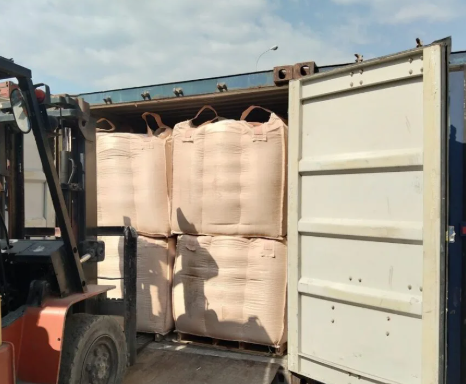
- Packaging must deliver strong load capacity, dust resistance, moisture resistance, easy container stuffing and compliance with the importing customer's requirements.
- Common bag types include PP bags, Kraft bags, jumbo bags, multi-layer PE bags and foil-lined bags.
Controlling Moisture Inside the Container
Exporters should use:
- Container desiccant packs
- Hanging container desiccant poles
- Calcium chloride desiccant bags
These solutions help:
- Absorb water vapor
- Prevent container rain
- Limit mold growth
- Keep coffee at quality throughout the journey.
Using a Container Liner
- Isolates cargo from the container walls.
- Limits dust and dirt.
- Reduces cross-contamination.
- Protects the product from moisture.
This is the solution many high-volume coffee exporters choose.
Optimizing Container Loading
A well-planned loading scheme helps you:
- Make the most of container space.
- Reduce empty gaps.
- Limit load shifting.
- Lower freight cost per ton of cargo.
You can also add dunnage bags, lashing straps and bracing bars to secure the cargo.
Monitoring Temperature and Humidity
Many exporters today use:
- Data loggers
- Temperature monitoring devices
- Humidity monitoring devices
These help you track the entire journey, hold data in case of a complaint and meet customers' traceability requirements.
Streamlining the Export Logistics Process
Standardizing the Warehouse
A coffee warehouse must be dry, well ventilated, kept below the allowable humidity and fitted with pallets. Never place goods directly on the warehouse floor.
Planning Deliveries
Exporters should:
- Book early.
- Track vessel schedules.
- Prepare documents in advance.
- Minimize container detention.
Managing Inventory
Applying ERP, WMS, barcodes and QR codes helps you:
- Control inventory.
- Reduce losses.
- Track shipments quickly.
Partnering With a Reputable Logistics Provider
A professional logistics partner supports you with:
- Vessel booking.
- Customs declaration.
- Domestic trucking.
- Container tracking.
- Handling unexpected issues.
- Advising on the right Incoterms.
What to Look For When Choosing a Coffee Export Logistics Provider
Give priority to a partner that offers:
- Experience shipping agricultural products.
- An international agent network.
- Competitive freight rates.
- Online shipment tracking.
- Customs declaration services.
- Documentation support.
- Advice on cargo preservation.
Common Mistakes When Exporting Coffee
- Focusing Only on Freight Price: cheap rates with unreliable service can cost the business far more in the end.
- Failing to Control Moisture: moldy cargo, rejected shipments and losses running into hundreds of millions of dong.
- Poor-quality packaging raises the risk of torn bags, product loss and moisture absorption.
- Lack of a Logistics Plan: missed vessels, container detention charges, late deliveries and damaged credibility with customers.
Future Logistics Trends for the Coffee Industry
The logistics industry is shifting fast toward digitalization and sustainability. Standout trends include:
- Using AI to forecast shipping demand.
- Real-time container tracking.
- Electronic bills of lading (eBL).
- Smart warehouse management.
- Eco-friendly containers.
- Optimizing carbon emissions across the supply chain.
- Origin traceability via QR codes and blockchain.
Adopting these solutions not only lowers costs but also meets the increasingly strict demands of markets such as the EU, the US and Japan.
Conclusion
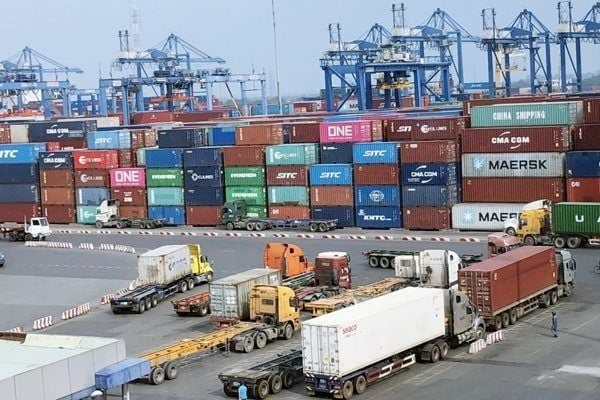
Exporting coffee is not just about moving goods from Vietnam to overseas markets, it is a process of managing packaging, preservation, transport and delivery from end to end. A solid logistics solution for coffee exporters lowers costs, reduces risk and keeps product quality intact.
Beyond choosing a professional logistics provider, businesses should invest in preservation measures such as container desiccant packs, container liners, dunnage bags, temperature and humidity monitoring systems and disciplined warehouse management.
If you are looking for a trusted, high-quality logistics provider, contact Embassy Freight now at 0936 911 656 for prompt advice and a quotation!
Need a shipping quote?
Embassy Freight provides full-service ocean freight, air freight and customs clearance. Get a free quote or explore our services.