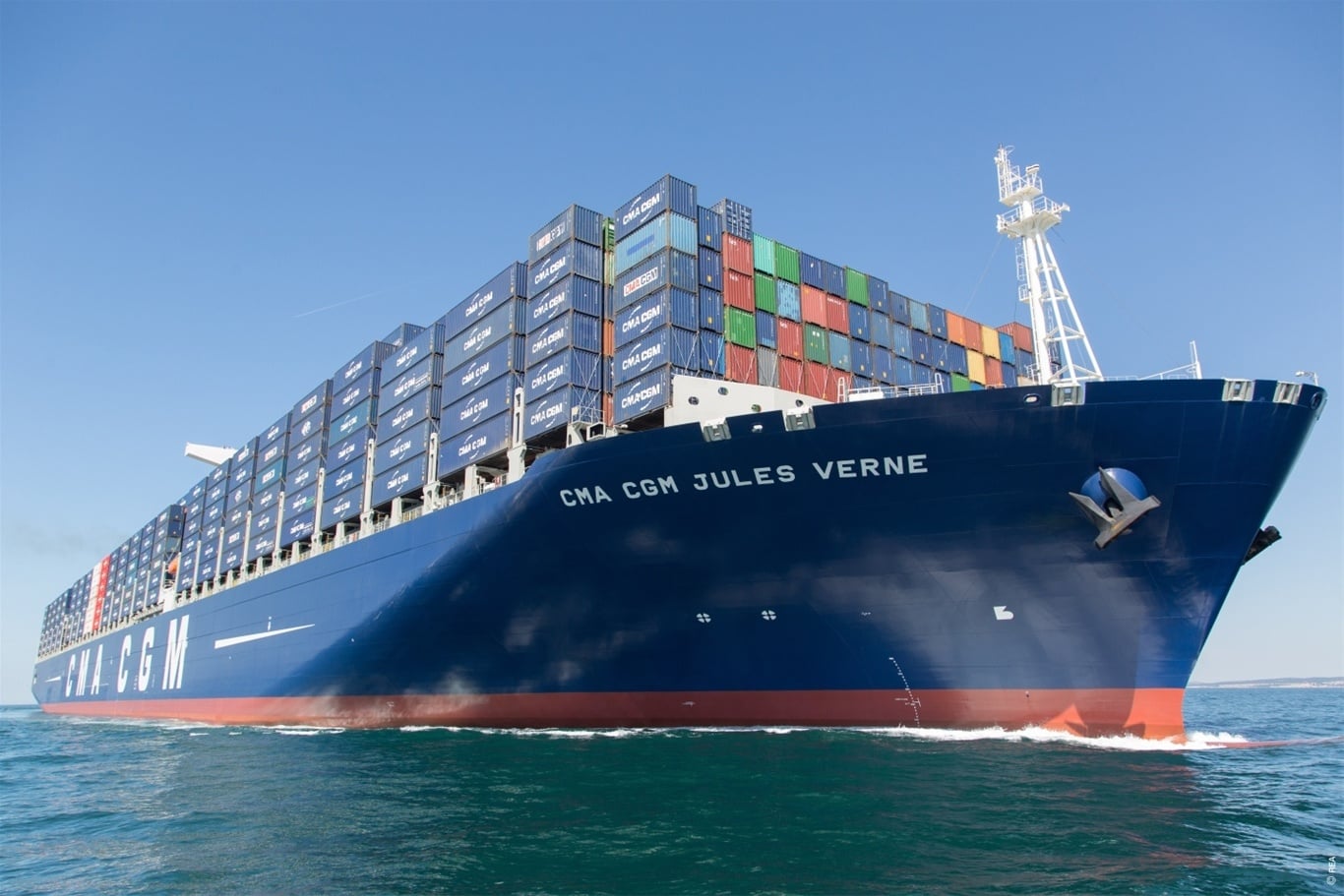
In import-export and international logistics, the term Roll Over Container (a container that misses its ship) describes a situation many companies have run into. When a container isn't loaded onto its scheduled vessel, the entire delivery timeline can slip, bringing extra costs and denting a company's reputation.
For export shipments under contracts with strict delivery deadlines, or for agricultural produce, food, and seasonal goods, a roll over can cause significant losses. So what is a rolled-over container? What causes it, and how can you reduce the risk? Let's find out in the article below.
What Is a Rolled-Over Container?
A rolled-over container is one that is not loaded onto the vessel it was booked on and instead has to move to the next sailing.
Even when a company has delivered the container to the port on time, various factors can still keep it from sailing as originally scheduled. In practice, businesses call this being rolled, a roll booking, a rolled container, or simply missing the ship.
Why Do Containers Get Rolled Over?
Several factors can prevent a container from being loaded.
1. Overbooking
Carriers often accept more bookings than the vessel's actual capacity to offset cancellations. If the volume of containers delivered exceeds what the ship can load, some will be pushed to a later sailing.
2. Port Congestion
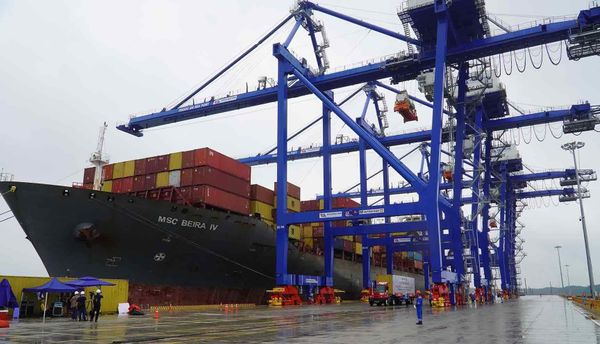
During the export peak season or a sudden surge in volumes, a port may face overloaded container yards, a shortage of handling equipment, and slow vessel turnaround. All of this disrupts loading schedules.
3. Late Container Arrival
If a container reaches the port after the Closing Time (Cut-off Time), the carrier may refuse to load it onto the booked sailing. Even a few hours' delay can leave you waiting for the next vessel.
4. Not Enough Space on the Vessel
Some international lanes are chronically short of space, especially in peak season when demand runs high. Routes to Europe, the United States, Canada, and the Middle East tend to carry a higher roll-over risk.
5. Schedule Changes
Because of bad weather, storms, strikes, technical failures, or service adjustments, carriers may change their schedules and cut the number of containers loaded.
6. Documentation Errors
In some cases, a container is held back because of:
- Incorrect booking details.
- An incomplete bill of lading.
- Unfinished customs clearance.
- Missing required documents.
If the export conditions aren't met, the container may not be loaded.
How a Roll Over Affects You
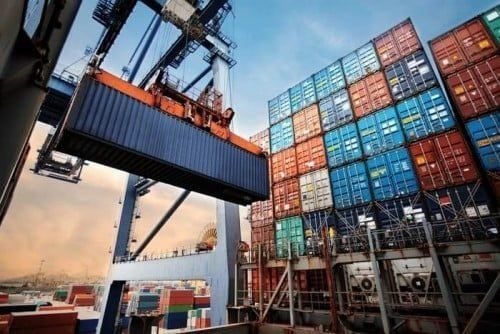
A roll over doesn't just delay your shipping schedule - it triggers a chain of consequences.
Delayed Deliveries
Goods arriving later than the contract allows can lead to:
- Late-delivery penalties.
- Lost business opportunities.
- Disruption to your customer's production plans.
Extra Costs
A container held at the port longer can incur:
- Storage charges.
- Demurrage charges.
- Detention charges.
- Additional transport costs.
- Document amendment costs.
Impact on Cargo Quality
For food, fruit, seafood, pharmaceuticals, and chemicals, a longer transit can affect quality - especially if the cold chain isn't kept stable.
Damage to Your Reputation
Repeated late deliveries can leave a company:
- Losing customer trust.
- Struggling to win long-term contracts.
- Less competitive in international markets.
How to Reduce the Risk of a Roll Over
1. Book Early
The earlier you book, the better your chances of securing space on the vessel. In peak season especially, book 2-4 weeks ahead or as recommended by the carrier.
2. Deliver Containers to the Port on Time
Don't wait until the last moment before the cut-off to get your container into the port. Finishing early reduces the risk of unexpected problems such as traffic congestion or document errors.
3. Prepare Complete Documentation
Carefully check the Commercial Invoice, Packing List, Booking, Shipping Instruction, VGM (Verified Gross Mass), customs declaration, and any permits or specialized documents. A complete document set keeps the export process running smoothly.
4. Monitor the Vessel Schedule Regularly
Schedules can change for many reasons. Stay in touch with your carrier or freight forwarder so you can adjust your plans in time.
5. Choose a Reputable Freight Forwarder
An experienced freight forwarder helps you book early, track schedules, liaise with the carrier, handle roll-over situations, and find alternatives quickly. This significantly reduces the risks of international shipping.
6. Build Buffer Time Into Your Shipping Plan
Don't cut your timing too close to the delivery date. Leave some buffer to handle situations such as a roll over, customs delays, port congestion, or bad weather.
What to Do When Your Container Is Rolled Over
If you receive a roll-over notice, you should:
- Confirm the cause with the carrier or freight forwarder.
- Check for an alternative sailing.
- Notify your customer right away.
- Adjust your delivery plan.
- Review any extra costs.
- Re-check document validity if the schedule shifts by several days.
Acting quickly helps minimize the impact on your supply chain.
Common Mistakes in Handling a Roll Over
Some companies tend to:
- Book too late.
- Fail to track the vessel schedule.
- Prepare documents right up against the cut-off.
- Leave no buffer in the delivery timeline.
- Rely on a single carrier.
- Not tell customers early when something changes.
These slip-ups can raise costs and strain relationships with partners.
Conclusion
A rolled-over container is a genuine risk in international shipping, especially in peak season or on high-demand routes. While you can't eliminate the risk entirely, you can reduce its impact by planning early, preparing complete documentation, and monitoring the vessel schedule closely.
Managing risk proactively not only limits extra costs but also protects your delivery timelines, strengthens your reputation, and improves the efficiency of your trade operations. Get in touch with Embassy Freight at our hotline 0936 911 656 for prompt advice and a fast quote!
Need a shipping quote?
Embassy Freight offers end-to-end ocean freight, air freight, and customs clearance. Get a free quote or explore our services.