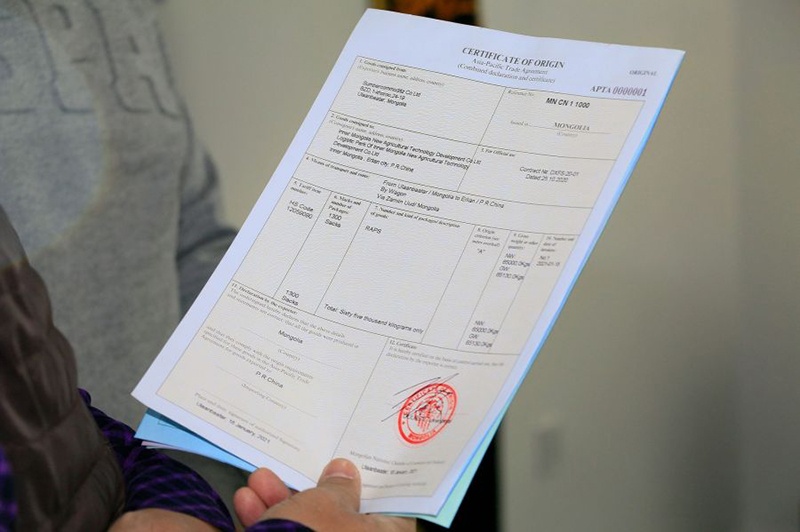
Many businesses assume that as long as they prepare a complete set of Commercial Invoice, Packing List, Bill of Lading, sales contract and customs declaration, their goods will clear customs right away. In reality, plenty of shipments still face prolonged processing even when the paperwork is complete. The reason is that clearance does not depend on documents alone; it also involves many factors such as risk management, specialized inspection, information verification, goods classification, customs valuation and the status of the electronic systems.
Understanding these causes helps businesses stay proactive, limit storage and demurrage costs and keep delivery on schedule for their partners.
Does Complete Documentation Mean Immediate Clearance?
The answer is no. A complete set of documents is only a necessary condition. To grant clearance, the customs authority also examines:
- The accuracy of the declared information.
- The company's level of compliance.
- The management policy applied to each type of goods.
- The channel assignment result.
- Any specialized inspection requirements.
- Information from the relevant management agencies.
As a result, even when no document is missing, a shipment may still have to wait for further processing.
1. The Declaration Is Routed to the Yellow or Red Channel
One of the most common causes is the risk management system routing the declaration for inspection.
- Green channel: Fast clearance if the regulatory conditions are met.
- Yellow channel: Document review.
- Red channel: Document review combined with a physical inspection of the goods.
If the declaration falls into the Yellow or Red channel, processing usually takes longer even when the paperwork is complete.
2. The Goods Are Subject to Specialized Inspection
Some goods must undergo additional procedures such as: quality inspection, plant quarantine, animal quarantine, food safety inspection, energy efficiency testing, conformity certification and more. In these cases, the business must satisfy the requirements of the specialized agency before completing customs procedures.
3. Incorrect HS Code or a Need to Verify the HS Code
Even with complete documents, if customs suspects that the HS code is not appropriate, the business may be asked to: provide an explanation, supply catalogues, submit technical documents, re-determine the HS code and so on. This can prolong clearance time.
4. Customs Value Needs to Be Verified
If the declared value looks unusual compared with the database or with trade practice, customs may ask the business for an explanation. The documents commonly requested include: the sales contract, invoice, payment documents, quotations, commercial agreements and more.
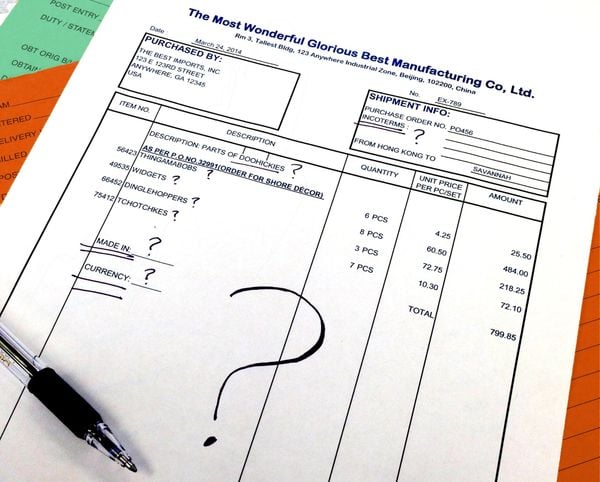
5. Information Across Documents Is Inconsistent
A set of documents may be complete yet still contain inconsistencies between them. For example: wrong product name, differing quantities, incorrect weight, different delivery terms, wrong consignee details, inconsistent units of measure and so on. Such discrepancies may force the business to provide explanations or amend the documents.

6. Missing Inspection Results or Relevant Permits
For certain goods, in addition to the commercial documents, the business also needs: an import or export permit, a quarantine certificate, quality inspection results, a letter of approval from the management agency and more. If these results have not been issued or updated in the system, the clearance process may be suspended.
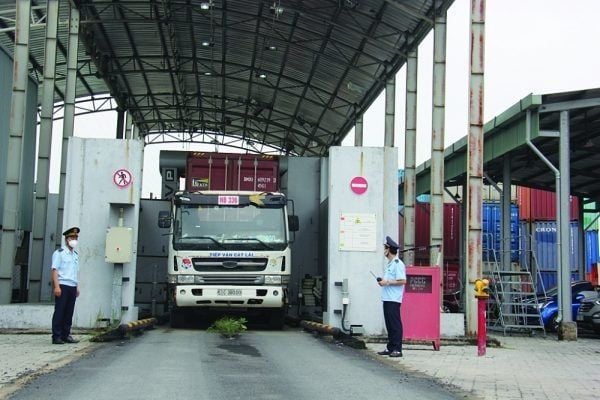
7. Physical Inspection of the Goods
In some cases, customs requires the container to be opened or the goods to be inspected directly to compare them against the declaration. Processing time will depend on: the type of goods, the volume of cargo, the inspection conditions, the coordination among the parties involved and more.
8. The Customs System or a Related System Suffers an Incident
Processing may be affected if: the electronic declaration system is under maintenance, data connections between agencies are interrupted, the electronic payment system has not updated, transmitted data contains errors and so on. In these cases, the business should monitor announcements from the authorities and from its customs broker.
9. Information Needs to Be Verified with Other Agencies
For certain specialized shipments, customs may need to coordinate with specialized management agencies to verify information before deciding on clearance. This exchange can extend processing time.
10. The File Is Selected for Inspection Under Risk Management
Beyond factors relating to the goods, the risk management system also considers: the company's compliance history, the frequency of violations (if any), the characteristics of the shipment, the shipping route, the country of export or import and more. Businesses with a good compliance history usually enjoy an advantage during processing.
11. Tax Obligations and Payable Amounts Not Yet Fulfilled
Some shipments are cleared only after the business has fulfilled its financial obligations as required, such as: import duty, value-added tax (VAT), special consumption tax (if applicable), related fees and charges and more. Businesses should check their tax payment status and confirm it is updated in the system to avoid delays.
12. Changes in Management Policy or Regulations
For some categories of goods, management policy may be adjusted from time to time. If a business has not updated the new regulations, its documents may need to be adjusted or supplemented before clearance can be granted.
How Can You Shorten Clearance Time?
To limit clearance delays, businesses should:
- Carefully check the entire set of documents before declaring.
- Determine the correct HS code.
- Prepare complete technical documentation when needed.
- Monitor the channel assignment status.
- Proactively fulfil tax obligations.
- Keep up with new regulations.
- Work with an experienced Freight Forwarder and customs broker.
Common Mistakes Businesses Make
Some common errors include:
- Assuming that having enough documents guarantees clearance.
- Not checking consistency across documents.
- Declaring the wrong HS code.
- Declaring the customs value inaccurately.
- Not tracking requests from the customs authority.
- Responding slowly when asked for an explanation.
These mistakes can prolong processing time and drive up logistics costs.

Conclusion
A complete set of customs documents is an important condition but not the only factor that determines clearance. In practice, many shipments can still be delayed by channel inspection, specialized inspection, HS code verification, customs valuation or other management requirements.
To minimize risk, you need to prepare accurate documents, keep up with legal regulations, actively track processing progress and coordinate closely with your customs broker and Freight Forwarder. This not only shortens clearance time but also helps optimize costs and improve efficiency. If you are looking for a reputable, high-quality provider of end-to-end A-to-Z import-export services, contact Embassy Freight now via Hotline: 0936 911 656 for the fastest consultation and quote!
Need a shipping and import-export quote?
Embassy Freight supports sea freight, air freight, customs declaration and turnkey import-export outsourcing. Get a free quote or see our services.