Ocean shipping carries roughly 80-90% of global cargo by volume, so every shift in freight rates ripples through your logistics costs and product pricing. Many companies have watched rates jump sharply within just a few weeks, throwing their business plans and margins into disarray.
Unlike domestic freight, ocean freight rates change almost every week - even daily on some international lanes. That makes budgeting for import-export costs a real challenge.
So what keeps ocean freight rates in constant motion? And what can your business do to stay in control of costs? Let's explore in the article below.
What Is an Ocean Freight Rate?
The ocean freight rate is the amount you pay to move cargo by sea from the port of loading to the port of discharge.
Depending on the delivery terms and the contract, the cost can include the base freight, a fuel surcharge, a peak-season surcharge, terminal handling charges, documentation fees, a security surcharge, and other surcharges set by the carrier. As a result, your total logistics cost hinges not only on the freight rate but also on a range of surcharges.
Why Ocean Freight Rates Are Always in Flux
1. Supply and Demand
This is the single biggest driver. When demand climbs quickly but there aren't enough vessels or containers to meet it, rates rise. Conversely, when volumes fall or vessel capacity is plentiful, carriers usually lower rates to attract customers. For example:
- The agricultural export season.
- The pre-Christmas peak.
- Stocking up for Lunar New Year.
- The back-to-school season in Europe and North America.
These are all periods when rates tend to rise.
2. Marine Fuel Prices
Fuel is one of a carrier's largest operating costs. When global oil prices rise, vessel operating costs rise with them, which usually leads to the introduction or adjustment of the fuel surcharge (BAF - Bunker Adjustment Factor).
Keep in mind that even when the base rate holds steady, your total shipping cost can still rise because of the fuel surcharge.
3. The Import-Export Peak Season
During peak periods, shipping demand surges - space becomes hard to book, empty containers run short, sailings fill up, and waiting times stretch out. Carriers then typically raise rates and add a Peak Season Surcharge (PSS).
4. Empty Container Shortages
Containers are not always distributed evenly across regions. When they pile up in one market but run short in another, you may face extra container-repositioning costs. This often happens after periods of trade imbalance or when export demand spikes.
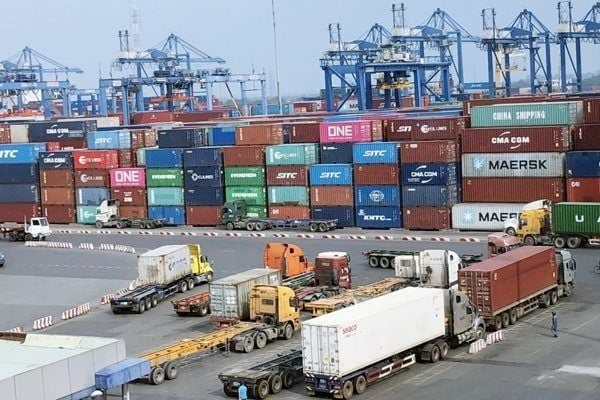
5. Port Congestion
When a port is overloaded, vessels wait longer to berth or discharge. The consequences are:
- Higher operating costs.
- Longer vessel turnaround times.
- Disrupted schedules.
These costs can be passed on through the freight rate or through surcharges.
6. Global Economic and Trade Swings
- Economic downturns.
- Rising consumer demand.
- Changes in trade policy.
- Geopolitical conflict.
- Restrictions on key shipping lanes.
All of these can shift shipping demand and move freight rates.
7. Carrier-Applied Surcharges
Beyond the base freight, you may also pay various surcharges such as:
- BAF (Bunker Adjustment Factor).
- PSS (Peak Season Surcharge).
- CAF (Currency Adjustment Factor).
- THC (Terminal Handling Charge).
- LSS (Low Sulphur Surcharge).
- Documentation Fee.
- CIC (Container Imbalance Charge).
Each carrier has its own surcharge policy, so always review quotes in full.
8. Changes to Services and Schedules
Carriers may:
- Adjust the number of sailings.
- Change ports of call.
- Merge services.
- Cancel sailings (blank sailings).
Such changes reduce capacity in the short term and can push rates higher.
9. Exchange-Rate Movements
Most ocean freight is quoted in USD. When exchange rates move, importers may pay more even if the USD rate is unchanged. So track both the freight rate and currency movements to cost your shipments accurately.
10. Environmental Rules and Compliance Costs
The shipping industry increasingly has to meet environmental requirements such as:
- Cutting greenhouse-gas emissions.
- Using low-sulphur fuel.
- Investing in energy-efficient technology.
These investments can raise operating costs and influence rates over the long term.
How Rate Volatility Affects Your Business
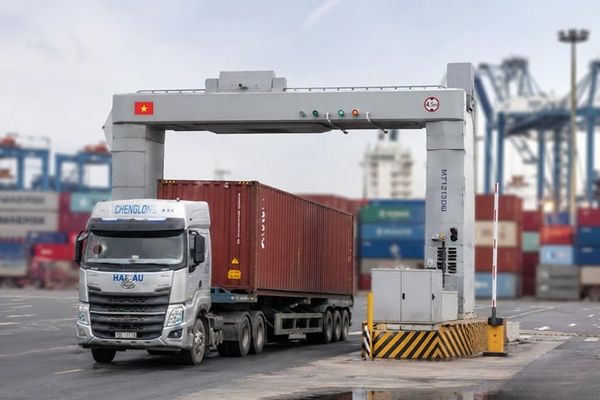
When rates jump suddenly, you may face higher logistics costs, thinner margins, difficulty locking in prices with customers, disrupted production plans, harder budgeting, and greater cash-flow pressure. For exporters, freight rates also directly affect competitiveness in international markets.
How to Soften the Impact of Rate Swings
- Book Early: Booking ahead gives you more choice of sailings and rates.
- Compare Quotes From Multiple Providers: Don't rely on a single carrier or forwarder. Comparing options helps you pick the best balance of cost and transit time.
- Build a Shipping Plan: Planning early helps you avoid peak season and limit exposure to extra surcharges.
- Monitor the Freight Market: Track rate movements, sailing schedules, port conditions, and carrier announcements. This lets you adjust your import-export plans proactively.
- Partner With a Reputable Freight Forwarder: They keep you updated on rates, advise on routing, book early, negotiate competitive prices, and flag upcoming surcharges. A professional logistics partner significantly reduces your cost risk.
Common Mistakes Businesses Make
- Focusing only on the base rate and ignoring surcharges.
- Booking too close to the sailing date.
- Not tracking market movements.
- Failing to set aside a logistics budget buffer.
- Working with only one carrier.
- Not reading quotes and their terms carefully.
These mistakes can make your total shipping cost higher than expected.
Conclusion
Ocean freight rates are shaped by many forces - supply and demand, fuel prices, peak season, port conditions, surcharges, and international trade swings. Understanding these drivers helps you plan your trade activity and control logistics costs more proactively.
To reduce risk, monitor market developments, book early, build flexible shipping plans, and work with an experienced freight forwarder. These are practical ways to optimize costs and improve the efficiency of your international transport.
If you are looking for a reliable, high-quality end-to-end (A-to-Z) customs service, get in touch with Embassy Freight at our hotline 0936 911 656 for prompt advice and a fast quote!
Need a shipping quote?
Embassy Freight offers end-to-end ocean freight, air freight, and customs clearance. Get a free quote or explore our services.