In import-export operations, customs declaration is one of the key steps that determines how quickly your goods clear customs. Even a small error in the file, the supporting documents, or the declared information can trigger an inspection and lead to warehouse, yard, and container demurrage charges.
For companies that import and export regularly, understanding the common customs declaration mistakes helps reduce risk, save money, and ensure cargo clears on schedule. Below are the 12 most common errors every business should watch out for.
Why Accurate Customs Declaration Matters
An accurate customs declaration helps your business:
- Shorten clearance times.
- Limit physical cargo inspections.
- Lower warehouse and container costs.
- Avoid administrative penalties.
- Maintain trust with customers and partners.
On the other hand, declaration errors can force a company to spend significant time amending paperwork and rack up unexpected extra costs.
1. Wrong HS Code
This is the most common error in import-export operations. Declaring the wrong HS code can lead to:
- Incorrect duty rates.
- Misapplied goods-management policies.
- Tax arrears.
- Delayed clearance.
- Penalties under the regulations.
Companies should look up HS codes based on the technical characteristics of the goods, and consult a logistics provider or customs expert when needed.
2. Wrong Product Description
The product description on the declaration must be complete: trade name, category, material, use, model (if any), and so on. Vague descriptions such as "machinery," "components," or "equipment" usually prompt customs to request additional information.
3. Wrong Customs Value
The customs value is the basis for calculating duties. If you declare a value that does not reflect the actual price, or omit costs that must be added by law, your business may face price consultation, value adjustments, tax arrears, and penalties.
4. Missing or Incorrect Documents
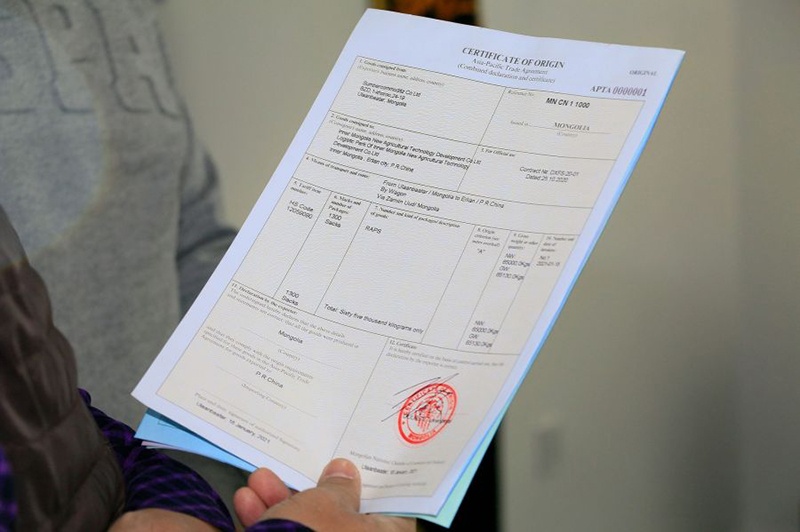
Documents that commonly contain errors include the Commercial Invoice, Packing List, Bill of Lading, Certificate of Origin (C/O), and sales contract. The information across these documents must be consistent to avoid amendments or supplements.
5. Wrong Quantity or Weight
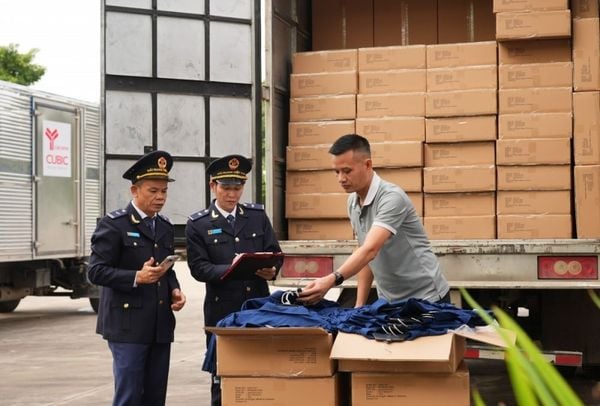
Discrepancies between the declaration, packing list, invoice, and the actual goods can trigger a physical inspection or a request to amend the file.
6. Not Checking Product-Specific Policies
Some goods are subject to quality inspection, quarantine, safety checks, or import/export licensing. If the paperwork is not fully prepared before the goods reach port, the company will lose considerable time completing the procedures.
7. Wrong Country of Origin
Origin directly affects preferential import duties, rules of origin, and free trade agreements (FTAs). Declaring incorrect information can cost your business its duty preferences or trigger additional customs checks.
8. Not Checking the Incoterms
Delivery terms determine the responsibilities of buyer and seller, freight costs, insurance costs, and the dutiable value. Applying the wrong Incoterms can result in an incorrect customs value.
9. Not Preparing Technical Documentation
For machinery, equipment, or technology products, companies should prepare catalogues, technical specifications, product images, and descriptive materials. These documents help customs assign the correct HS code and management policy.
10. Being Slow to Correct Declaration Errors
If you spot incorrect information, take the initiative to amend or supplement the declaration as required. Letting errors linger can cause:
- Longer clearance times.
- Yard storage costs.
- Administrative penalties.
11. Not Tracking Your Declaration's Progress
After opening a declaration, companies need to monitor:
- The declaration's channel classification.
- Requests for additional documents.
- The inspection schedule (if any).
- The clearance result.
Slow responses directly affect delivery timelines.
12. Choosing an Inexperienced Declaration Provider
An inexperienced customs declaration provider can lead to:
- Wrong HS codes.
- Incomplete documentation.
- Failure to keep up with new regulations.
- Slow handling of unexpected situations.
Companies should partner with a logistics provider or customs broker that has a skilled, experienced team to keep risk to a minimum.
How to Minimize Customs Declaration Errors
For smooth clearance, companies should:
- Review the file carefully before opening a declaration.
- Determine the correct HS code.
- Prepare complete documentation.
- Stay updated on new import-export regulations.
- Coordinate closely with suppliers and logistics providers.
- Monitor declaration progress regularly.
- Keep complete records for post-clearance audits.
The Role of Logistics Providers and Customs Brokers
A professional logistics provider does more than move goods -- it also supports your business by:
- Advising on import-export policy.
- Classifying HS codes.
- Preparing customs paperwork.
- Filing electronic declarations.
- Monitoring the clearance process.
- Handling issues with the customs authorities.
- Advising on logistics cost optimization.
Using a professional declaration service saves time and reduces the risk of regulatory violations.
Conclusion
Customs declaration errors are a leading cause of delayed clearance and added costs. From the wrong HS code, customs value, and origin to missing documents or a failure to keep up with new rules, every mistake can derail your entire import-export plan.
To limit risk, companies need to build a rigorous review process, stay current on customs policy, and partner with a logistics provider or customs broker. This is an effective way to optimize clearance times, cut costs, and improve import-export performance.
If you are looking for a reliable, high-quality full-service customs declaration partner, contact Embassy Freight now via Hotline 0936911656 for prompt advice and a quote!
Need a shipping quote?
Embassy Freight provides full-service ocean freight, air freight, and customs clearance. Get a free quote or explore our services.