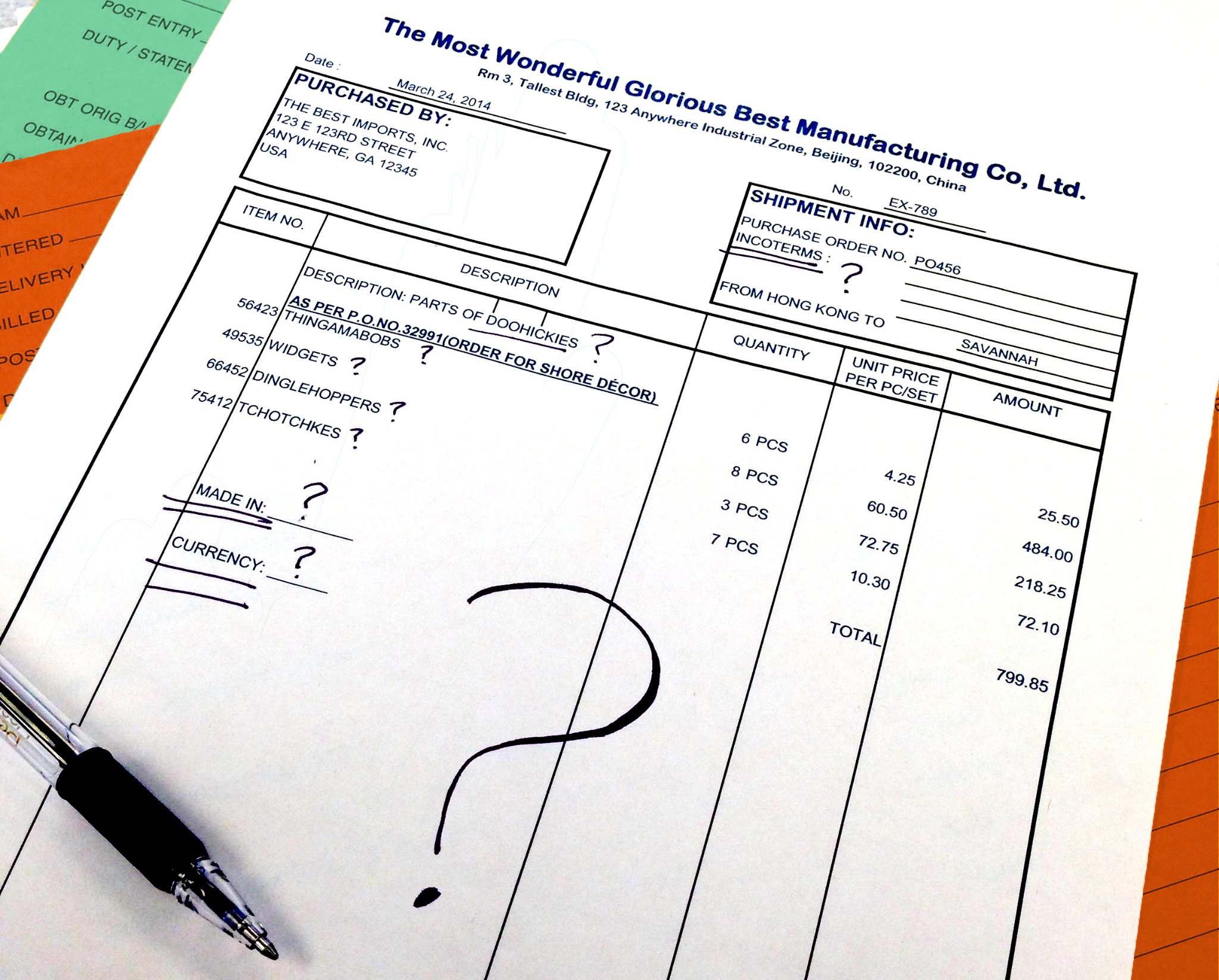
In import-export, the Commercial Invoice is one of the most important documents in the customs file. It is the basis on which Customs determines the customs value, calculates duty, checks the transaction details, and cross-references the other documents.
A single small error on the Commercial Invoice can trigger a request for additional documents, a physical inspection, delayed clearance, or a range of costs such as container demurrage, yard storage, and document-amendment fees.
That is why preparing and carefully checking the commercial invoice before shipping is a key factor in reducing risk during import-export. The article below summarizes the Commercial Invoice errors that easily get a shipment held and explains how to avoid them.
What Is a Commercial Invoice?
A Commercial Invoice is an invoice issued by the seller to the buyer showing information on: the seller (Exporter), the buyer (Importer), goods description, quantity, unit price, total goods value, delivery terms (Incoterms), payment terms, and origin (if shown), and more.
The Commercial Invoice is used to: declare customs, calculate import-export duty, make international payments, apply for a C/O, and serve as a basis for resolving commercial disputes, and more.

Why Is the Commercial Invoice Important?
Customs will cross-reference the Commercial Invoice against:
- The Packing List.
- The Bill of Lading/Air Waybill.
- The customs declaration.
- The foreign trade contract.
- The Certificate of Origin.
- Specialized licenses (if any).
If there is a difference between the documents, the company may be asked to explain or the goods may be physically inspected.
1. Wrong Name or Address of Buyer or Seller
One of the most common errors is:
- The wrong company name.
- A missing legal name.
- The wrong address.
- The wrong tax code or company details.
These errors can lead Customs or the bank to require the document to be corrected before processing continues. How to avoid it
- Check the details against the business registration certificate or the foreign trade contract.
- Keep the information consistent across all documents.
2. Goods Description Too Generic
- Many companies only write: Spare Parts, Machinery, Food, Chemical, and so on.These descriptions are not clear enough.
- Instead, show: the trade name, type, model, specifications, material, and use (if needed), and more.The clearer the description, the smoother the inspection and classification of the goods.

3. Wrong or Missing Quantity
If the quantity on the Commercial Invoice does not match: the Packing List, the Bill of Lading, or the customs declaration, and so on. Customs may require a physical inspection or an explanation. Companies need to check each line item carefully before issuing the invoice.
4. Wrong Unit Price or Total Value
Errors in the value of the goods can lead to:
- Declaring the wrong customs value.
- The wrong amount of duty payable.
- Being asked to attend a value consultation.
- Post-clearance audit.
In particular, if the declared price is unusually low versus the Customs database, the shipment may be assessed as high risk.
5. No Delivery Terms (Incoterms) Stated
The Commercial Invoice should clearly state the delivery terms, such as: EXW, FOB, CIF, CFR, DAP, DDP, and so on. Missing Incoterms makes it hard for Customs to determine which costs are included in the goods price, which affects the assessment of the dutiable value.
In addition, companies should state the Incoterms version applied in full, for example: FOB Ho Chi Minh City – Incoterms® 2020.
6. Missing Payment Terms
Payment information helps demonstrate the transparency of the transaction. The Commercial Invoice should clearly state: T/T, L/C, D/P, D/A, and payment in advance or on terms, and more.This matters for transactions that must be paid through a bank.
7. Wrong Payment Currency
In some cases: the contract states USD, the invoice states EUR, and the customs declaration is filed in USD, and so on. This inconsistency can make it difficult to determine the customs value and complete international payment.
8. Missing Commercial Invoice Date or Number
The Commercial Invoice needs:
- An Invoice Number.
- An Invoice Date.
Missing this information will affect:
- Customs declaration.
- Payment.
- Document filing.
- Document cross-referencing.
9. Information Not Matching Other Documents
This is a common error; the information that must be consistent includes: product name, quantity, weight, delivery terms, buyer, seller, country of origin, and goods value, and more. Just one inconsistent detail can force a company to amend the document or explain to Customs.
10. Missing Signature or Stamp (When Required)
Depending on each country's rules or the partner's requirements, the Commercial Invoice may need: the signature of an authorized person and the company stamp. Companies should check the requirements of the customer, the bank, and the importing country before issuing the document.
Consequences of Errors on the Commercial Invoice
An inaccurately prepared commercial invoice can lead to:
- Delayed clearance.
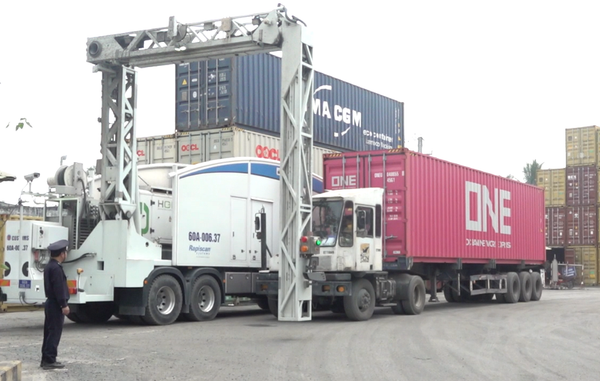
- Goods held at port.
- Routing to the yellow or red channel.
- Container demurrage.
- Yard storage costs.
- Document-amendment costs.
- Late delivery.
- The risk of an administrative penalty for incorrect declaration.
For high-value shipments or those delivered to a project schedule, these costs can significantly affect business performance.
How to Check the Commercial Invoice Before Issuing
To limit errors, a company should build a checking process with the following steps:
- Check the company details: seller name, buyer name, address, tax code (if needed).
- Cross-reference with the contract: delivery terms, payment terms, payment currency, contract value.
- Cross-reference with the Packing List: product name, quantity, weight, specifications.
- Check the figures: unit price, total, calculations, taxes and surcharges (if any).
- Check the format: invoice number, issue date, signature, company stamp (if needed).
Applying a checklist before issuing significantly reduces the risk of errors.
A Few Notes When Preparing a Commercial Invoice
- Use language consistent with the contract.
- Do not abbreviate product names if that could cause confusion.
- State the unit of measure in full.
- Show Incoterms® 2020 clearly.
- Check spelling and figures.
- Keep a soft copy and a hard copy for cross-reference when needed.

Conclusion
The Commercial Invoice is the basis on which Customs determines value, calculates duty, and checks validity. Small errors such as the wrong product name, the wrong quantity, missing Incoterms, or inconsistency with the Packing List can all get goods held, delay clearance, and generate unnecessary costs.
Companies should therefore build a process for checking the Commercial Invoice before issuing it, and coordinate closely with the import-export team, accounting, and the freight forwarder to ensure all information is accurate and consistent.
If you are looking for a reliable, high-quality provider of end-to-end customs services, contact Embassy Freight now on Hotline: 0936 911 656 for the fastest advice and quote!
Need a shipping quote?
Embassy Freight provides end-to-end sea freight, air freight, and customs clearance. Get a free quote or see our services.