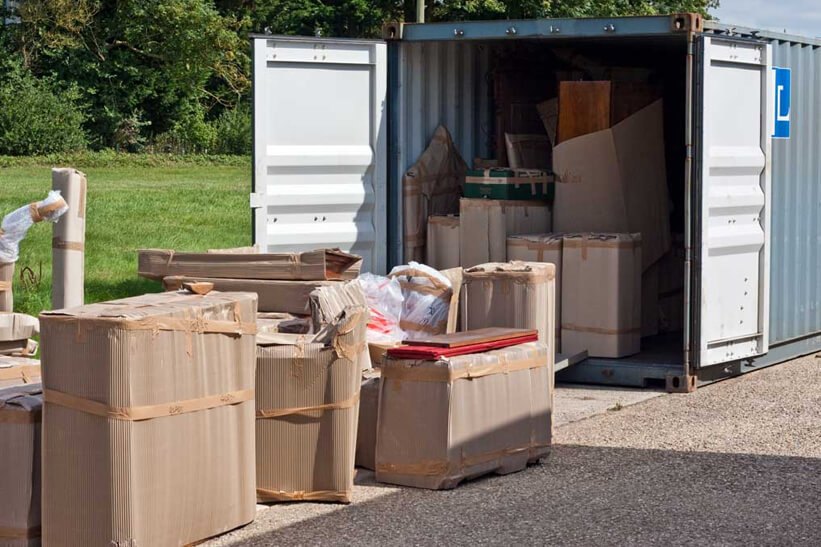
In import and export, specialized inspection is one of the most common reasons clearance drags on and extra storage and demurrage costs pile up. Many businesses assume that a complete customs declaration is enough to clear their goods.
In practice, however, many product groups must also meet requirements on quarantine, food safety, quality, the environment or specialized permits before they can be exported or imported.
For businesses new to import-export, failing to determine in advance whether their goods are subject to specialized inspection can lead to late deliveries, added costs and damaged credibility with partners.
So which products carry a high risk of specialized inspection? What should a business prepare to reduce that risk? Let's find out in the article below.
What Is Specialized Inspection?
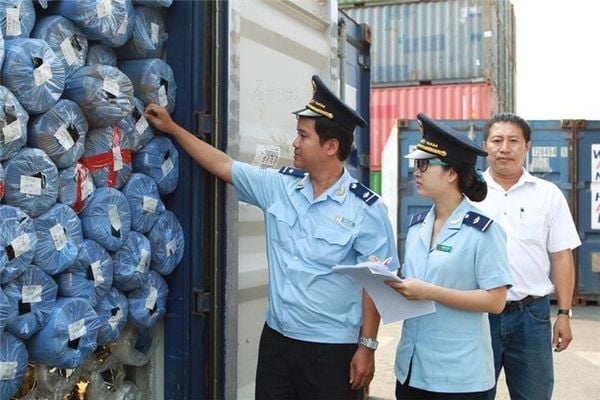
Specialized inspection is an inspection carried out by specialized management authorities on certain goods, before or after clearance, in order to ensure:
- Consumer safety.
- Protection of public health.
- Protection of the environment.
- Compliance with technical standards.
- Compliance with the law.
Depending on the type of goods, the inspecting authority may be the Ministry of Health, the Ministry of Agriculture and Environment, the Ministry of Industry and Trade, the Ministry of Science and Technology or another specialized management authority as prescribed.

Why Are Some Products Subject to Specialized Inspection?
Products that may affect human health, food safety, the environment, technical safety, national defense and security, or consumer interests are usually managed more strictly and may require specialized inspection or a permit before clearance.
1. Food and Beverages
- This is the product group with the highest inspection rate. It includes: processed foods, frozen foods, beverages, seasonings, milk and dairy products, and functional foods.
- Aspects commonly inspected include: food safety, ingredients, quality indicators, product labeling and storage conditions.
2. Cosmetics
Products such as creams, lipsticks, perfumes, shampoos, shower gels and skincare cosmetics may need to comply with product notification rules, labeling and other specialized management requirements before they can be sold.
3. Medical Devices
- Ultrasound machines.
- Laboratory analyzers.
- Surgical instruments.
- Diagnostic equipment.
- Medical supplies.
This group carries strict requirements for technical documentation, device classification and related paperwork under current regulations.
4. Pharmaceuticals and Drug Materials
This group is tightly regulated to ensure quality and safety. Businesses usually have to prepare: technical documentation, relevant permits, quality certificates and certificates of origin (when needed).

5. Chemicals
- Industrial chemicals.
- Solvents.
- Cleaning agents.
- Laboratory chemicals.
- Water-treatment chemicals.
These may fall under chemical-safety or environmental management. Businesses need to check the management list carefully before importing or exporting.
6. Machinery and Equipment With Safety Requirements
- Boilers.
- Pressure vessels.
- Elevators.
- Lifting equipment.
- Specialized industrial machinery.
Some products may need quality inspection or conformity certification before being put into use.
7. Electrical and Electronic Equipment
- Televisions.
- Refrigerators.
- Washing machines.
- Air conditioners.
- LED lights.
- Power supplies.
- Household electrical appliances.
Depending on the product, there may be requirements for quality inspection, energy efficiency or technical standards.
8. Animals, Plants and Products of Biological Origin
For example: fruit, vegetables, seeds, timber, seafood, meat and animal feed.
This group typically has to undergo:
- Plant quarantine.
- Animal quarantine.
- Biosafety inspection.
9. Scrap and Environment-Related Goods
- Metal scrap.
- Plastic scrap.
- Recycled paper.
- Recycled materials.
These are usually tightly managed to limit the risk of environmental pollution.
10. Goods That Could Affect Security
Some equipment such as transmitters, telecommunications devices, specialized cameras and encryption devices may fall under special management or require a permit before import.
What Documents a Business Needs to Prepare
Depending on the type of goods, a business may need:
- Commercial invoice.
- Packing list.
- Bill of lading.
- Sales contract.
- Certificate of origin (C/O).
- Product catalogue.
- Technical documentation.
- Import permit (if any).
- Quality certificate.
- Test results or conformity certification (when required).
Preparing a complete file helps reduce processing time and limits the need to supplement documents.
How to Avoid Clearance Delays
- Determine in advance whether the goods are subject to specialized inspection.
- Look up the correct HS code.
- Prepare a complete file before the goods arrive at the port.
- Work with an experienced freight forwarder or customs broker.
- Keep up with the authorities' new regulations.
- Check product labeling and technical specifications before importing.
Common Mistakes
Some common errors include:
- Assuming that no product needs specialized inspection.
- Declaring the wrong HS code, leading to the wrong management policy.
- Not preparing technical documentation.
- Missing required permits or certifications.
- Only checking the rules once the goods have arrived at the port.
- Not reconciling information across documents.
These errors can force a business to supplement its file, extend clearance time and generate additional costs.
Conclusion
Specialized inspection is a step in import-export for many product groups such as food, cosmetics, medical devices, chemicals, machinery, electrical equipment and agricultural products. Determining in advance whether goods fall under specialized management helps you prepare documents proactively, shorten clearance time and limit added costs.
In addition, businesses should regularly keep up with the law, determine the correct HS code and work with experienced logistics providers and freight forwarders so that the import-export process runs smoothly, in compliance and efficiently.
Need a shipping quote?
Embassy Freight provides full-service ocean freight, air freight and customs clearance. Get a free quote or explore our services.