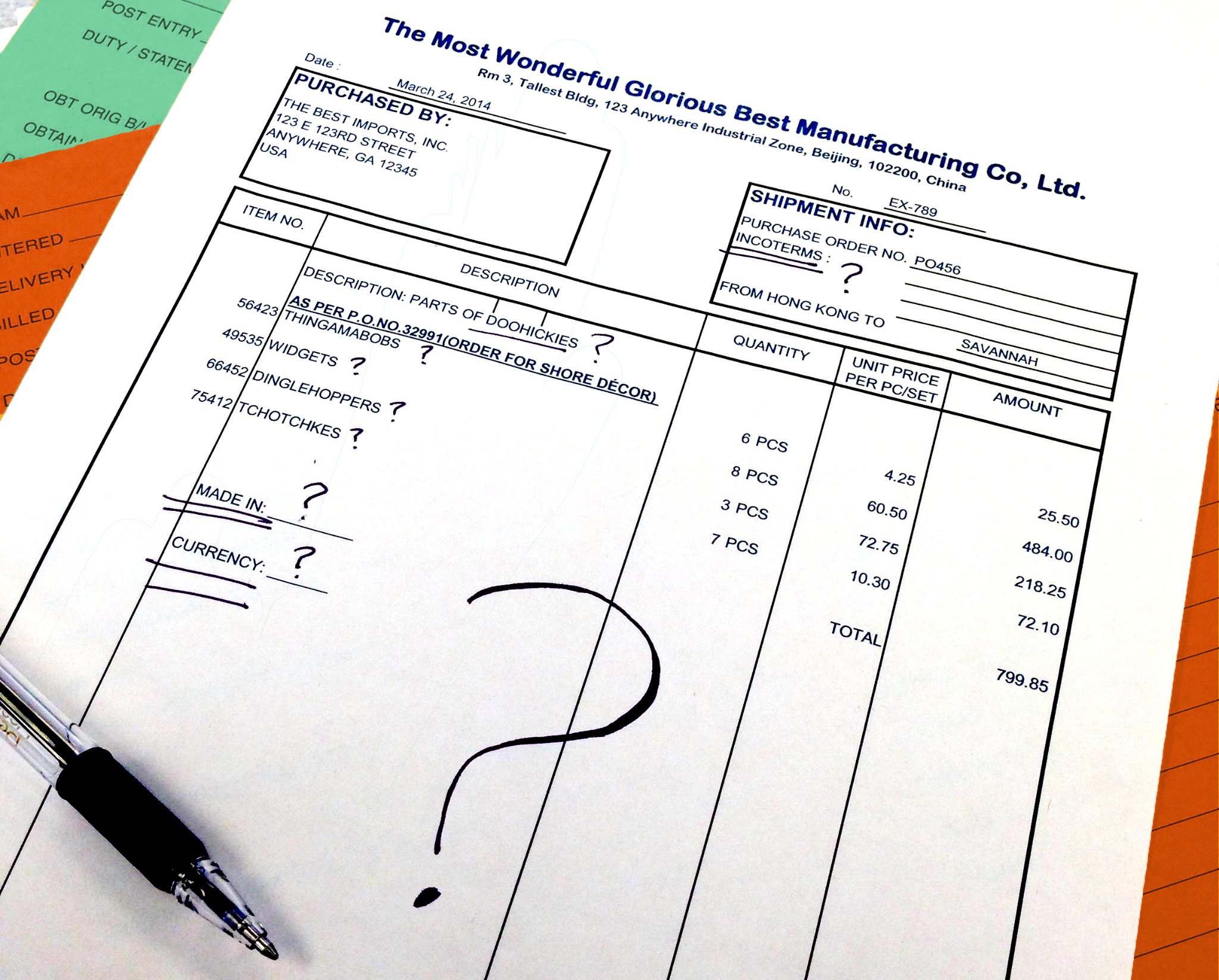
In import-export, selling price is not the only factor that decides how well a contract performs. Delivery terms (Incoterms® 2020) also play a major role, because they affect logistics costs, responsibilities, risk, customs procedures, and the point of handover.
Many companies negotiate hard on price but skip negotiating delivery terms. The result is extra costs they did not plan for, or unnecessary risk during shipping.
The article below shares 10 tips for negotiating delivery terms with international partners to help you choose the right option and protect your interests.
What Are Delivery Terms (Incoterms)?
Incoterms® 2020 is a set of international trade rules that defines the responsibilities of seller and buyer regarding:
- Delivery of goods.
- Transport costs.
- Insurance costs.
- Export procedures.
- Import procedures.
- The point at which risk transfers.
Choosing the right delivery term helps each side understand its obligations and limits disputes during performance of the contract.

Why Negotiate Delivery Terms?
Delivery terms affect many factors, such as: total logistics cost, control over the shipment, choice of carrier or airline, delivery time, insurance cost, and responsibility in the event of loss or damage, and more. The right delivery term gives you more control over your import-export operations.
1. Understand Your Own Needs
Before negotiating, a company should determine:
- How much control over the shipping process do you want?
- Do you have experience with export-import procedures?
- Do you have a reliable freight forwarder network?
- Is the goal to optimize cost or shorten delivery time?
Defining your needs clearly helps you choose the right Incoterms rather than simply accepting the terms your partner proposes.
2. Master the Incoterms® 2020 Rules
EXW (Ex Works)
- The seller delivers the goods at their premises.
- The buyer bears almost all costs and risks from the point of collection.
Suited to companies with strong international logistics experience.
FOB (Free On Board)
- The seller is responsible until the goods are loaded on board at the port of loading.
- The buyer bears cost and risk from that point.
This is a common term in sea freight.
CIF (Cost, Insurance and Freight)
- The seller pays freight and insurance to the destination port.
- Risk still transfers to the buyer once the goods are loaded on board.
Companies need to clearly understand the difference between cost and the point at which risk transfers.
DAP (Delivered At Place)
The seller is responsible for transport to the agreed place, while the buyer handles import procedures and pays the taxes and fees in the importing country.
DDP (Delivered Duty Paid)
The seller bears almost all responsibility, including import procedures and taxes in the buyer's country. This term should only be used when the seller has the capacity and fully understands the rules of the importing market.

3. Negotiate Total Cost, Not Just Price
A low quote does not always mean savings. Factor in: freight, surcharges, documentation fees, THC, container storage, insurance, clearance costs, and inland transport, and more. Compare the Total Landed Cost instead of looking only at the product unit price.
4. Identify Who Holds the Logistics Advantage
If your company has: a reputable freight forwarder, good freight rates, and import-export experience, and more, then consider terms such as FOB or FCA so you can arrange transport yourself. Conversely, if you have limited experience, terms such as CIF or DAP can reduce your workload in the early stages.
5. Clarify Who Buys Insurance
Not every delivery term requires the seller to buy insurance. The parties need to agree on: who buys the insurance, the level of coverage, the scope of coverage, the insurer, and the claims process in the event of loss, and more. Clarifying this from the start limits disputes when risk materializes.
6. Clearly Define When Risk Transfers
This is often misunderstood. For example:
- Under FOB, risk transfers to the buyer once the goods are loaded on board.
- Under EXW, risk transfers at the seller's premises.
- Under DAP, risk transfers when the goods are delivered to the agreed place, ready for unloading.
Understanding the moment of transfer helps a company establish responsibility in the event of loss or damage.
7. Watch the Customs Rules of the Importing Country
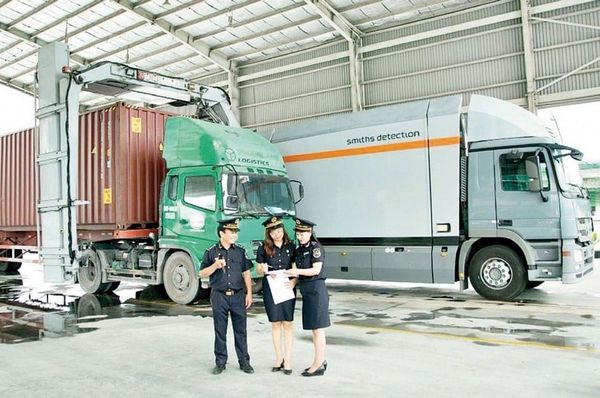
Some countries have special rules on: import procedures, taxes, quarantine, quality inspection, and import licenses, and more. Companies should choose a delivery term that matches their ability to complete these procedures.
8. State the Incoterms Version in the Contract
Do not just write FOB, CIF, DAP. State it in full, for example:
- FOB Hai Phong Port – Incoterms® 2020
- CIF Los Angeles – Incoterms® 2020
Stating the place and the version applied limits disputes caused by differing interpretations.
9. Anticipate Additional Costs
International shipping can incur: container demurrage, container detention, peak-season surcharges, fuel surcharges, container imbalance surcharges, storage costs, and inspection costs, and more. Companies should make clear in the contract which party bears these costs if they arise.
10. Work With a Freight Forwarder During Negotiation
A freight forwarder does more than move cargo. They can also:
- Advise on choosing the right Incoterms.
- Compare costs across delivery terms.
- Assess logistics risk.
- Help build the shipping plan.
- Keep you updated on the latest surcharges.
Involving an experienced logistics partner helps a company make more accurate decisions.
Common Mistakes When Negotiating Delivery Terms
- Focusing only on selling price.
- Not fully understanding Incoterms.
- Not calculating total logistics cost.
- Not clarifying who buys insurance.
- Not defining when risk transfers.
- Not stating the place of delivery.
- Not stating the Incoterms® 2020 version in the contract.
These oversights can lead to disputes and raise operating costs.
Keys to Negotiating Effectively
To secure the best delivery terms, companies should:
- Prepare information thoroughly before the negotiation.
- Know their own logistics capacity.
- Compare several Incoterms options.
- Calculate total cost rather than looking only at the goods price.
- Plan for contingencies.
- Consult a freight forwarder or import-export expert.
Careful preparation helps a company negotiate with confidence and reach a favorable agreement.
Conclusion
Negotiating delivery terms is one of the most important steps in an import-export transaction. A clearly built term helps a company keep logistics costs under control, share responsibilities sensibly, and minimize risk during international shipping.
Rather than focusing only on selling price, take a comprehensive view of cost, delivery time, insurance responsibility, customs procedures, and each party's capabilities. Partnering with an experienced freight forwarder also helps you choose the right Incoterms.
If you are facing difficulties with international import-export and looking for a reliable, high-quality provider of end-to-end import-export services, contact Embassy Freight now on Hotline: 0936 911 656 for the fastest advice and quote!
Need a shipping quote?
Embassy Freight provides end-to-end sea freight, air freight, and customs clearance. Get a free quote or see our services.