Determining the correct HS code affects not only the duty payable but also the product management policy, customs procedures and eligibility for benefits under Free Trade Agreements (FTAs).
Many businesses face duty reassessment, administrative penalties or prolonged clearance times because they declared the wrong HS code. So what are the HS Code mistakes that lead to duty reassessment, and how can you prevent them?
What Is an HS Code?
An HS Code is a code for classifying goods under the Harmonized System of description and coding, used uniformly across many countries worldwide.
In Vietnam, HS codes usually have 8 digits, built on the List of Vietnamese Import and Export Goods. The HS Code is used to:
- Determine import duty.
- Determine export duty (if any).
- Apply value-added tax (VAT).
- Determine the product management policy.
- Apply specialized inspection measures.
- Determine eligibility for preferential tariffs under an FTA.
Why Does a Wrong HS Code Easily Lead to Duty Reassessment?
Customs authorities use the HS Code as the basis to: calculate duty, apply management policy, check import or export conditions, and conduct post-clearance audits.
If a business declares the wrong HS code such that the duty payable is lower than required, the customs authority may: reassess the shortfall in duty, charge late-payment interest, impose administrative penalties per the rules, and audit similar shipments from the past.
Common HS Code Mistakes That Lead to Duty Reassessment
1. Choosing the HS Code by Trade Name
This is a fairly common mistake. Many businesses rely only on:
- The product name.
- The name in the catalogue.
- The name given by the supplier.
Whereas the HS Code must be determined based on:
- The nature of the goods.
- The material composition.
- The main use.
- The operating principle.
- The degree of completeness of the product.
2. Not Analyzing the Material Composition
A product can be made of: metal, plastic, wood, rubber, alloy, composite materials, and more. Incorrectly identifying the main constituent material easily leads to a wrong HS code classification.
3. Declaring by the Supplier's HS Code
The HS Code on the exporter's documents is only for reference. Since each country may apply: a different tariff schedule and a different detailed HS code at the national level, a business needs to cross-check against Vietnam's Tariff Schedule and List of Goods before declaring.
4. Not Updating the New HS List
The HS code list may be revised from period to period. If a business keeps using an old code without updating, it may: declare the wrong code, apply the wrong duty rate, and face difficulties during clearance.
5. Not Distinguishing a Complete Machine from Components
For machinery and equipment: a complete machine, parts, accessories, replacement components, and so on, usually have different HS codes. Declaring the same HS code for all cases is a common cause of duty reassessment.
6. Misdeclaring the Main Use of the Goods
Many items have several different functions. Under the HS classification rules, goods are usually classified by: their main use, essential characteristics, and principal function. If the main use is identified incorrectly, the HS code will also be inaccurate.
7. Not Applying the HS Classification Rules Correctly
Classifying goods requires compliance with the 6 General Rules for the Interpretation of the HS (GRI). Some businesses rely only on the cargo description without fully applying these rules, leading to inaccurate classification results.
8. Missing Catalogues and Technical Documentation
For: machinery, electrical equipment, medical devices, industrial equipment, and the like, catalogues and technical documentation are an important basis for determining the correct HS code. Lacking these documents can lead a business to declare incorrectly or to have to supplement the file during clearance.
9. Not Requesting Advance HS Code Determination for Complex Goods
For new products or those with a special composition, a business can carry out the procedure for advance determination of the goods code per the customs authority's rules. Failing to take advantage of this mechanism can increase the risk when declaring.
10. Applying the HS Code from a Previous Shipment Without Rechecking
Many businesses reuse the HS code from previous shipments without considering:
- Changes in the product's composition.
- A new version of the equipment.
- Updated legal regulations.
This easily leads to errors when the goods have changed.
The Consequences of a Wrong HS Code
Declaring the wrong HS code can lead to:
- Reassessment of import duty.
- Reassessment of VAT.
- Late-payment interest.
- Administrative penalties.
- Delayed clearance.
- Post-clearance audits.
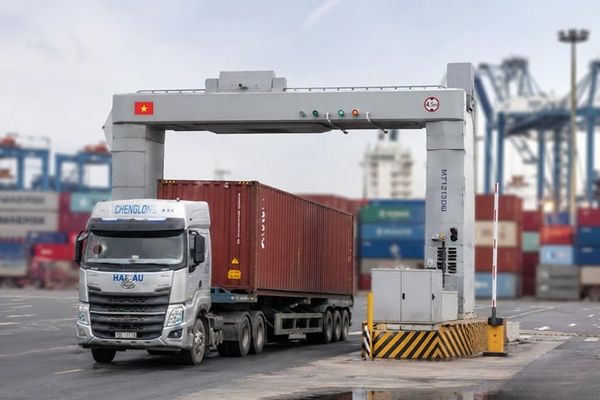
- A higher rate of yellow- or red-channel assignment for subsequent shipments.
- Damage to your reputation with partners and customers.
How to Determine the HS Code Accurately
To minimize risk, a business should:
- Carefully analyze the technical characteristics of the goods.
- Prepare complete catalogues and technical documentation.
- Consult the List of Vietnamese Import and Export Goods.
- Apply the 6 General Rules for the Interpretation of the HS correctly.
- Refer to published classification databases.
- Request advance HS code determination for complex goods.
- Consult experts or an experienced logistics provider.
The Role of the Logistics Provider and Customs Agent
A professional logistics provider can help a business:
- Advise on HS code classification.
- Check technical documents.
- Assess the product policy.
- Calculate import duty.
- Prepare the customs file.
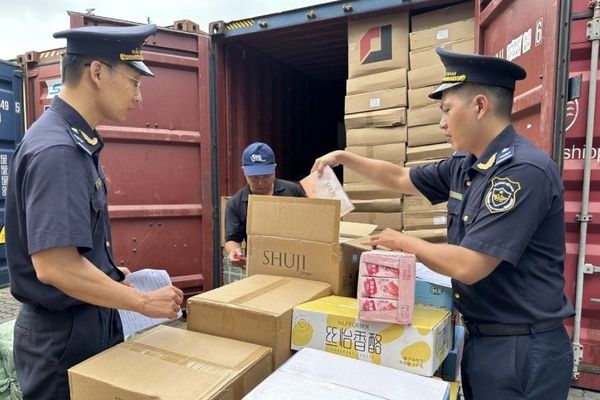
- Support explanations when the customs authority requests them.
- Advise on updates to new regulations.
Support from a specialized team helps a business limit errors and reduce the risk of duty reassessment.
Conclusion
Determining the correct HS Code is an important foundation for import-export activity. Mistakes such as declaring by trade name, using the supplier's HS code, not updating new regulations or lacking technical documentation can all lead to duty reassessment, penalties and prolonged clearance times.
A business should build a rigorous HS code checking process, regularly update customs policy and coordinate with a logistics provider or customs agent. Proactive prevention from the outset helps optimize costs, reduce legal risk and ensure import-export activity runs smoothly.
If you are looking for a reputable, high-quality provider of end-to-end customs declaration services, contact Embassy Freight now at Hotline: 0936911656 for prompt advice and a quotation!
Need a shipping quote?
Embassy Freight provides end-to-end sea freight, air freight and customs clearance. Get a free quote or explore our services.