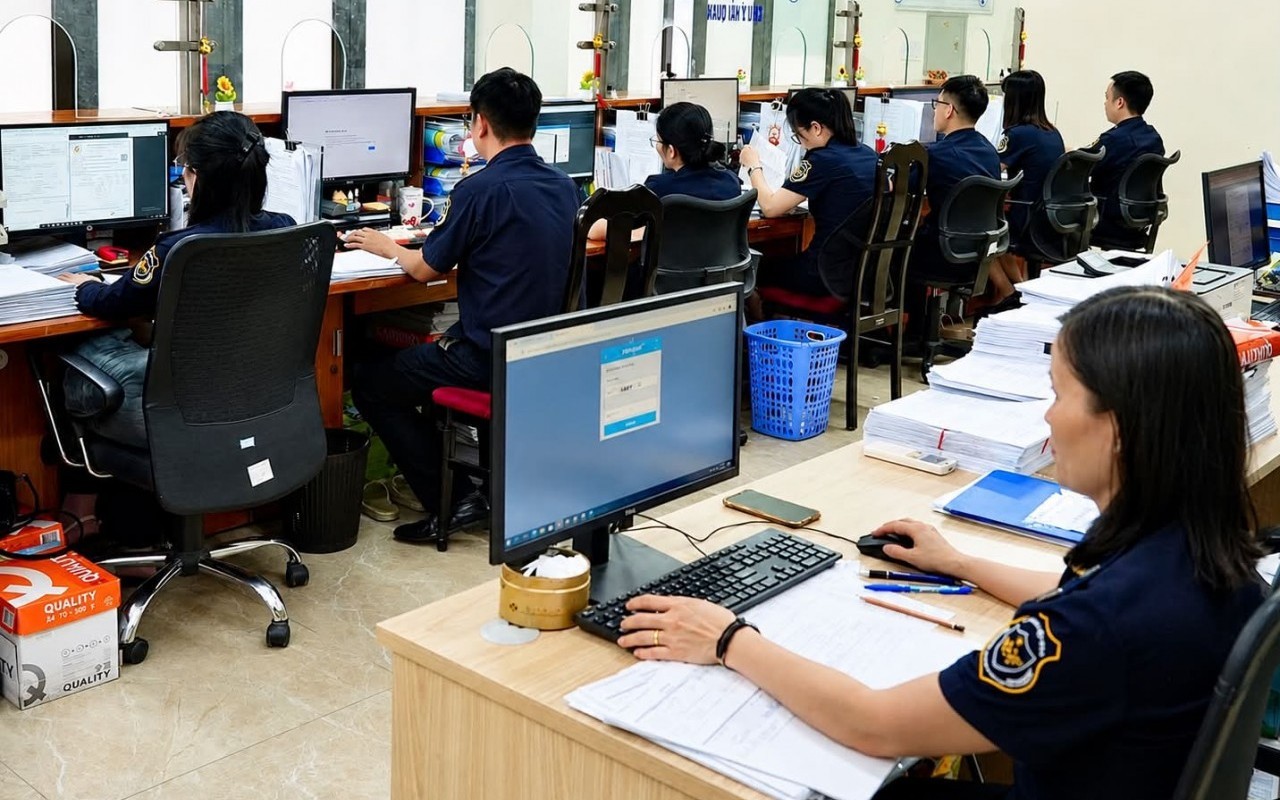
In import-export operations, not all goods are imported through the same process. Depending on the product name, HS code, intended use, origin, and specialized management policy, some goods must complete specialized management procedures before customs clearance.
This is why businesses need to check import policy before signing a contract and bringing goods into Vietnam. If the regulations are identified incorrectly or the dossier is incomplete, the shipment may incur waiting time, storage and yard fees, and disruption to business plans.
An import license service for goods supports checking management requirements, preparing the dossier, and carrying out procedures with the competent authority for each product group. This solution is especially useful for businesses without a dedicated import-export department.
What Is an Import License?
An import license is a document or procedural result issued or confirmed by a competent state authority under regulations applicable to certain goods subject to management. The important point is that not all imported goods require a license. Before carrying out procedures, it is necessary to determine which group the goods fall into:
- Goods imported normally.
- Goods imported under a license.
- Goods imported under conditions.
- Goods that must be registered or approved before import.
- Goods subject to specialized inspection.
- Goods under the separate management of a specific Ministry or sector.
- Goods banned or temporarily suspended from import under regulations.
Foreign trade management is consolidated by the Ministry of Industry and Trade in Consolidated Document 47/VBHN-BCT dated 04/06/2026, covering the management of import-export goods, banned or temporarily suspended goods, and certain import management mechanisms. So businesses should not rely solely on the commercial name of a product to determine whether a license is needed.
When Does a Business Need an Import License?
License requirements depend on the specific item and specialized regulations. Some product groups may be subject to special management mechanisms, such as goods in the chemicals sector, refurbished goods, dual-use goods, or certain groups that must meet specialized management requirements.
For example, there is currently a procedure for issuing an Import License for Refurbished Goods under specific regulations; the Ministry of Industry and Trade's Public Service Portal provides that traders submit a license application dossier and the competent authority reviews it according to the corresponding process.
For chemicals subject to control, the licensing procedure is governed by a system of specialized regulations. The Ministry's Public Service Portal currently records the procedure for issuing export and import licenses requiring special control under Decree 26/2026/ND-CP and Circular 01/2026/TT-BCT.
Therefore, businesses need to check each specific item before importing rather than assuming that every product requires a license.
Why Obtain the Import License Before the Goods Arrive?
Checking policy and completing the license early helps businesses take more control of their import planning.
1. Reduce Risk Once Goods Are at the Port
If goods require a license but it hasn't been prepared, the clearance process may be affected. Where goods have to wait for supplementary documents, businesses may incur additional costs related to storage, yard fees, or adjusting the pickup plan.
2. Control the Import Plan
Knowing the license requirement in advance lets businesses proactively prepare the dossier, processing time, and shipping schedule. This is especially important for shipments with fixed vessel or flight schedules, or those needed for production within a short time.
3. Limit Dossier Errors
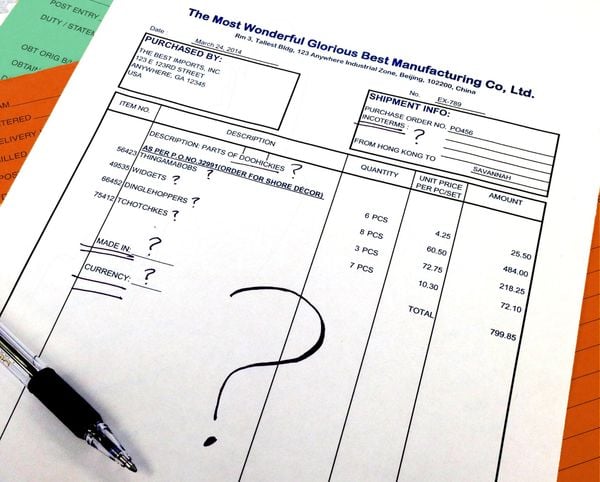
A license application dossier needs information consistent with the actual goods and commercial documents. Checking in advance helps businesses avoid inconsistencies between the license, contract, invoice, packing list, and customs dossier.
4. Support Filing with the Right Authority
Not all import licenses are handled by the same authority. Depending on the item, the managing authority may be one of several Ministries, sectors, or other competent bodies. Identifying the correct receiving body is one of the key steps in carrying out the procedure.

What Does an Import License Service Include?
Depending on the item, the scope of service can be carried out in several stages.
Checking Import Policy
The business provides information about the goods, and the service provider helps check items such as: product name, composition or structure, function, origin, expected HS code, intended use, current management policy, and more. Checking in advance helps businesses identify the correct procedure to carry out.
Advising on the License Application Dossier
Once it is determined that the goods require a license, the dossier must be prepared according to the corresponding procedure. Depending on the item, the dossier may relate to: a license application document, business registration certificate, sales contract, packing list, technical documents, product catalogue, origin documents, manufacturer information, and more.
The dossier components are not the same for every item. Businesses must prepare the correct documents based on the specific procedure.
Checking and Finalizing the Dossier
Before submission, the dossier is checked for completeness and consistency. Particular attention should be paid to: business name, product name, HS code if required, quantity, unit of measure, manufacturer information, exporting country, country of origin, purpose of import, and the timeframe and quantity for which the license is requested.
Representing the Business in the Procedure
Depending on the scope of authorization and the regulations of each procedure, the service provider can help the business prepare, submit, and track the dossier with the competent authority. If the dossier needs to be amended or supplemented, the business is notified to coordinate on completing it as required.
Receiving the Result and Supporting Customs Procedures
Once the license or procedural result is issued, the business can use the document for its intended purpose within the prescribed period. The logistics provider can continue to support import customs procedures, connecting the licensing process with clearance.
The Import License Process for Goods
- Receiving Cargo Information: The business provides the product name, catalogue, composition, function, origin, expected HS code, and related information.
- Checking Import Policy: The service provider checks whether the item is banned, temporarily suspended, subject to licensing, conditional import, or specialized inspection.
- Determining the Licensing Authority: Based on the product group and specialized regulations, the competent authority to handle the dossier is identified.
- Preparing the Dossier: The dossier is prepared according to the corresponding procedure, while checking the consistency of the information.
- Submitting the Dossier: The dossier is submitted by the method prescribed by the competent authority, which may include online or other forms depending on the procedure.
- Following Up and Supplementing the Dossier: During processing, if the receiving authority requests supplements or adjustments, the dossier is completed as required.
- Receiving the Result: Once approved, the business receives the license or procedural result under the regulations.
- Carrying Out Clearance: The license is used together with related documents in the import procedure under the regulations.
What Does an Import License Dossier Include?
There is no single dossier that applies to all goods. The dossier components depend on the license type and the managing authority. However, businesses typically need to prepare several groups of information and documents, such as:
- Business information: business registration certificate, representative information, contact information.
- Goods information: product name, HS code, composition, function, specifications, quantity, country of manufacture.
- Commercial documents: contract, invoice, packing list, transport documents if any.
- Specialized documents: catalogue, technical documents, specialized certificates or papers as required, and other documents per each procedure.
Businesses should provide cargo information as early as possible to accurately determine the required dossier.
Common Mistakes When Obtaining an Import License
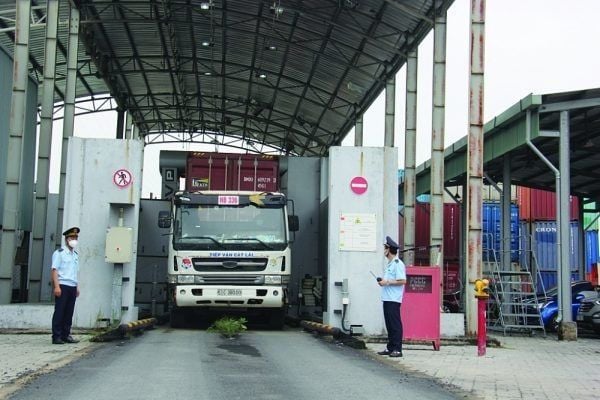
- Not Checking Policy Before Ordering: This is one of the common risks. The business orders and ships first, only to discover afterward that the goods are subject to special management.
- Incorrect HS Code: The HS code can affect the determination of management policy. If the HS code is identified incorrectly, the business may have to review and adjust the dossier.
- Incomplete Description of Goods: The commercial name is not always enough to accurately identify the nature of the product. For specialized goods, the business may need to provide additional catalogue, composition, or technical documents.
- Inconsistent Dossier: A product name, quantity, model, or manufacturer information that is inconsistent across documents can create obstacles in processing the dossier.
- Confusing License and Specialized Inspection: Not every case of specialized management means a license is required. Some goods are subject to quality inspection, food safety inspection, or another form of management.
For example, the Ministry of Industry and Trade issued Circular 28/2026/TT-BCT, effective from 17/07/2026, on the list of imported goods subject to state inspection for food safety. This is an example showing that businesses need to distinguish between an import license and other specialized inspection procedures.
Which Businesses Suit an Import License Service?
- Businesses importing goods for the first time.
- Businesses without dedicated import-export staff.
- Businesses importing goods subject to specialized management.
- Businesses importing many different product groups.
- Businesses that need to check policy before signing a contract.
- Businesses that want to combine license application with customs services.
- Businesses that need support handling the import dossier.
For businesses that import regularly, having a provider to check policy before each shipment can help reduce the risk of problems once the goods reach the port.
Benefits of Using an Import License Service
Instead of researching each regulation and contacting multiple authorities themselves, businesses can use a professional service for case-by-case support.
- Save Time: The business doesn't have to research the entire process from scratch and can instead provide cargo information to be advised on the appropriate procedure.
- Limit Dossier Errors: The dossier is checked before submission, limiting errors in information and documents.
- Control the Import Plan: Knowing the license requirement in advance lets the business be more proactive about order timing, booking, and bringing goods into Vietnam.
- Combine with Customs Services: The business can choose a combined solution of import license + customs declaration + shipping, simplifying the coordination of multiple stages.
Why Check the License Before Importing?
One of the key principles in import operations is to check goods policy before the goods are shipped. This helps businesses answer important questions:
- Are the goods permitted for import?
- Do the goods require a license?
- If so, which authority issues it?
- What does the dossier require?
- Is specialized inspection required?
- Are there requirements regarding the business's conditions?
- What is the expected processing time?
- Are special papers needed from the manufacturer or exporter?
In particular, specialized regulations can be updated over time. So checking policy at the time of the shipment is essential.
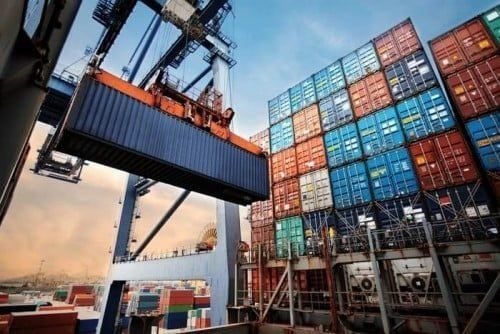
Reliable Import License Service for Goods
An import license service for goods can support businesses from checking policy, determining procedures, preparing the dossier, and tracking processing, through to receiving the result and coordinating customs procedures.
If your business needs advice on obtaining an import license, checking import policy, preparing the dossier, or combining customs and logistics services, contact Embassy Freight now via Hotline: 0936911656 for advice tailored to each specific item.
Need a shipping quote?
Embassy Freight provides end-to-end ocean freight, air freight, and customs clearance. Get a free quote or explore our services.