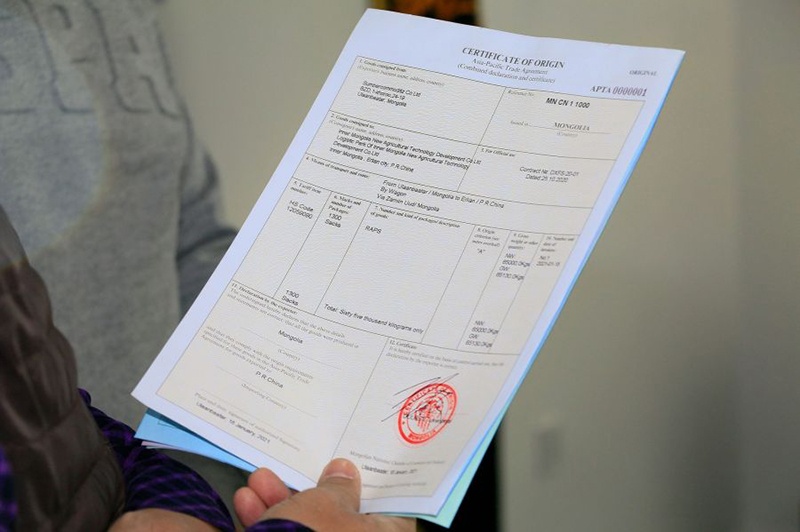
During customs procedures, many companies receive a notice requesting additional documents from Customs. This is a fairly common situation, especially for shipments subject to document checks, specialized inspection, or with information that needs further verification.
If it is handled slowly or the documents are incomplete, a company may face delayed clearance, incur storage, yard, and container costs, and disrupt its delivery schedule.
So what steps should a company take when Customs requests additional documents? The article below explains the process in detail and the key points for limiting risk.
When Does Customs Request Additional Documents?
During a document check, Customs may ask a company to provide additional paperwork when:
- The declaration file is incomplete.
- Information across documents is inconsistent.
- The declared value needs verification.
- The HS code needs clarification.
- A specialized license or document is missing.
- There is doubt about the origin of the goods.
- The file does not yet meet current legal requirements.
A request for additional documents does not mean the company has committed a violation; it is meant to ensure the declared information is accurate before clearance.

Documents Commonly Requested
Depending on the type of goods and the specific case, Customs may request:
- Commercial Invoice.
- Packing List.
- Foreign trade contract.
- Bill of Lading or Air Waybill.
- Certificate of Origin (C/O).
- Product catalogue.
- Technical specification sheet.
- Quotation or sales contract.
- Payment documents.
- Import license.
- Quarantine certificate.
- Quality inspection results.
- Documents relating to value or HS code.
A company needs to identify exactly which documents are requested so it can prepare them fully and avoid submitting multiple times.
The Process for Handling a Customs Request for Additional Documents
Step 1: Receive the Notice From Customs
The notice may be sent through:
- The electronic customs declaration system.
- The customs officer handling the file.
- A customs broker or freight forwarder.
The company needs to read the content carefully to identify:
- The documents to be added.
- The points to be explained.
- The submission deadline.
- The submission method.
Step 2: Check and Cross-Reference the Documents
- After receiving the notice, review the entire file: Commercial Invoice, Packing List, Bill of Lading, contract, customs declaration, C/O, payment documents.
- At the same time, check: product name, HS code, quantity, weight, value, delivery terms (Incoterms), and buyer and seller details.
Careful cross-referencing helps spot discrepancies before resubmitting to Customs.

Step 3: Prepare the Additional Documents
Depending on the Customs request, a company needs to prepare:
- Originals or copies as required.
- Explanatory documents.
- Technical documentation.
- Certificates from the manufacturer.
- Documents proving the transaction value.
- Any missing licenses.
If a document is in a foreign language, translation may be required by the competent authority.
Step 4: Draft an Explanatory Letter (If Needed)
In many cases, a company needs to prepare an explanatory letter to clarify:
- The reason for any difference between documents.
- The basis for determining the HS code.
- The method for determining the customs value.
- The origin of the goods.
- Other matters related to the file.
The letter should be clear and concise, with supporting documents attached.
Step 5: Submit by the Deadline
Once complete, the company must submit the documents by the deadline set by Customs. Late submission can lead to:
- Extended clearance time.
- Storage and yard costs.
- Disruption to the delivery schedule.
- A higher chance of additional inspection.
Step 6: Cooperate With Customs During Processing
After receiving the documents, Customs may:
- Request further information.
- Ask for an in-person explanation.
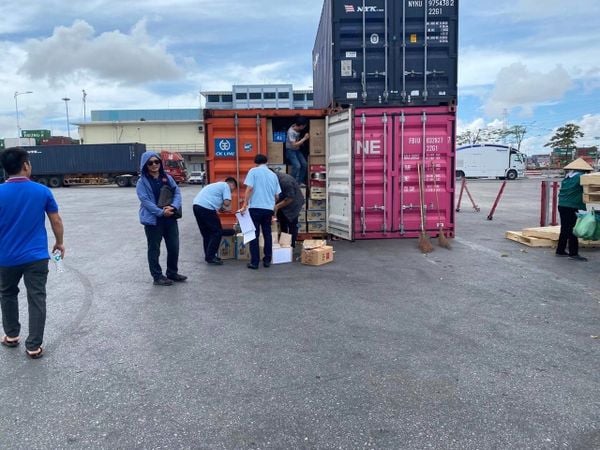
- Physically inspect the goods.
- Hold a value consultation.
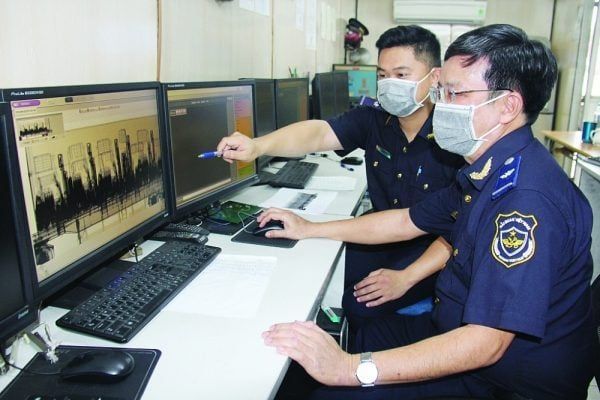
- Verify the HS code.
The company should cooperate proactively and respond quickly to shorten processing time.
Step 7: Complete Clearance
When the file is approved and fully meets the requirements, Customs continues processing the declaration so the goods can clear. The company should keep the entire file for post-clearance audit or cross-reference when needed.
Common Reasons Customs Requests Additional Documents
Incomplete file
The submitted file is missing:
- Commercial Invoice.
- Packing List.
- C/O.
- Specialized license.
Inconsistent information
- Wrong quantity.
- Wrong weight.
- Wrong product name.
- Wrong delivery terms.
- Wrong unit of measure.
Wrong HS code
Applying the wrong HS code can affect:
- The duty rate.
- The goods management policy.
- The import conditions.
Value declared inaccurately
If the declared price is much lower than the reference data, Customs may ask the company to provide supporting documents.
Goods subject to specialized management
Some goods require: quarantine, quality inspection, an import license, and conformity certification, and more. If these are incomplete, the file will not be accepted.
Mistakes Companies Should Avoid
Many companies drag out processing because they:
- Do not read the Customs request carefully.
- Submit incomplete documents.
- Send the wrong version of a document.
- Do not explain clearly.
- Respond slowly.
- Do not cross-reference the documents before submitting.
These errors can force a file to be resubmitted several times, raising costs and affecting the delivery schedule.
Tips to Limit Requests for Additional Documents
To reduce the chance of being asked for additional documents, a company should:
- Prepare complete documents before declaring.
- Check consistency across the documents.
- Apply the correct HS code.
- Declare truthfully and accurately.
- Have the catalogue and technical documentation ready for specialized goods.
- Keep up with new customs and specialized-management regulations.
- Work with an experienced customs broker or freight forwarder.
Standardizing internal processes significantly reduces processing time and limits added costs.
Conclusion
A Customs request for additional documents is a verification process meant to ensure accuracy and transparency. If you understand the process, prepare complete documents, and cooperate promptly with Customs, handling it will be quick and will limit the impact on your delivery schedule.
Investing in a document-check process, keeping up with new regulations, and working with an experienced logistics provider or customs broker helps reduce risk, save costs, and improve import-export efficiency.
If you are looking for a reliable, high-quality provider of end-to-end customs declaration services, contact Embassy Freight now on Hotline: 0936 911 656 for the fastest advice and quote!
Need a shipping quote?
Embassy Freight provides end-to-end sea freight, air freight, and customs clearance. Get a free quote or see our services.