In sea freight exports, vessel booking is one of the first key steps for getting your goods onto the ship and moving them to international markets.
Booking the right sailing, the right schedule and the right container type lets your business take control of loading, domestic transport, customs procedures and delivery at the port.
For businesses new to exporting, however, terms like Booking Confirmation, ETD, ETA, Closing Time, Cut-off SI, Cut-off VGM or Empty Release can cause quite a bit of confusion.
So what is vessel booking? What steps does the export booking process involve? What information does a business need to prepare, and how can you avoid being rolled off the vessel, running short of containers or incurring extra costs? Let's explore this in detail below.
What Is Vessel Booking?
Vessel booking is the act of reserving shipping space with a shipping line or forwarder for an export shipment. Once the booking request is accepted, the shipping line or forwarder provides confirmation of the space, usually called a Booking Confirmation.
The booking information includes: the shipping line, vessel name, voyage number, port of loading, port of discharge, destination port, estimated ETD, estimated ETA, container type, number of containers, the deadline for picking up empty containers, the Closing time, the deadline for submitting the Shipping Instruction, and the VGM declaration deadline.
The booking is the basis on which a business proceeds with the downstream tasks, such as picking up empty containers, loading, moving the container into the port and completing the export documentation.
What Role Does Vessel Booking Play in Exporting?
Booking is not simply "reserving space on a ship." It is the step that connects a business's cargo plan with the international shipping schedule.
1. Control the Export Schedule
A business can choose a sailing that fits:
- The date the goods are ready.
- The production timeline.
- The delivery schedule to the customer.
- The contract deadline.
- The inventory plan.
Booking early gives your business more alternatives if the desired sailing is already fully booked.
2. Control the Container Plan
Once the booking is in place, a business can proceed with the plan to pick up empty containers and load the cargo. This is especially important for FCL shipments that need many containers or for goods with special requirements.
3. Reduce the Risk of Being Rolled
During peak season, a surge in export volumes can cause some sailings to sell out quickly. Booking early helps your business secure space more proactively and build a backup transport plan.
When Should Vessel Booking Be Done?
As a rule, a business should book once it has reasonably determined: when the goods will be ready, the number of containers, the container type, the port of departure, the port of arrival, the expected export date, the customer's requirements, the Incoterms delivery terms, and more.
Do not wait until close to the loading date to book, especially on routes with low sailing frequency or during peak season. For export cargo, a business can plan its bookings weekly or monthly to secure transport capacity in advance.
The Export Booking Process
The actual process can vary depending on the shipping line, forwarder, route and cargo type. In general, however, a business can proceed through the following steps.
Step 1: Determine the Shipment Information
Before sending a booking request, a business needs to determine the basic information: cargo name, quantity, weight, volume, number of containers, container type, port of loading, destination port, the date the goods are ready, the expected export date, and more.
For certain special cargo, a business needs to provide additional information on the nature of the goods so the shipping line can assess its ability to carry them.
Step 2: Choose a Shipping Line or Forwarder
A business can book directly with a shipping line or through a forwarder. When choosing a partner, do not compare freight rates alone.
You should also consider: the sailing schedule, transit time, sailing frequency, the route, the ability to supply empty containers, surcharges, the free-time policy, the quality of documentation support, and the ability to handle contingencies.
A low rate paired with an unsuitable schedule or frequent container shortages can drive your total logistics cost higher.
Step 3: Send the Booking Request
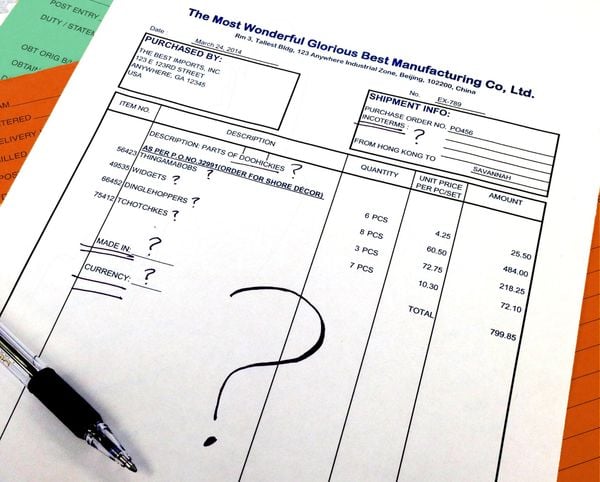
The business sends the booking request to the shipping line or forwarder. For export cargo, the information needs to be provided accurately to avoid having to amend the booking multiple times.
The booking information includes: Shipper, Consignee, POL – Port of Loading, POD – Port of Discharge, Final Destination if any, Commodity, number of containers, container type, Gross Weight, the expected date the goods are ready, and vessel requirements.
Step 4: The Shipping Line Confirms the Booking
After receiving the request, the shipping line or forwarder checks: the space available on the vessel, the sailing schedule, the ability to supply containers, the route, the nature of the cargo, and more.
If the booking is accepted, the business receives the Booking Confirmation. This is an important document for carrying out the next steps.
Step 5: Check the Booking Confirmation
A business should not simply accept the booking and move straight on to picking up containers.
You need to check carefully: the Booking Number, vessel name, Voyage, POL, POD, ETD, ETA, container type, number of containers, the depot for picking up empty containers, Empty Pick-up Date, Closing Time, Cut-off VGM, Cut-off SI, and any special requirements.
If you find any information that does not fit, request an adjustment as soon as possible.
Step 6: Pick Up the Empty Container
Once the booking is confirmed, the business or the transport provider picks up the empty container at the depot per the instructions. Before taking the container, check: the container type, the container's condition, the container number, the seal, the interior cleanliness, the container floor, the container walls, the container doors, and its suitability for the loading requirements.
If the container does not meet requirements, the business should resolve it right at the depot rather than bringing the container back to the warehouse and only then discovering the problem.
Step 7: Load the Cargo into the Container
The goods are loaded into the container per the loading plan. A business needs to pay attention to:
- Distributing the weight sensibly.
- Bracing and dunnage for the cargo.
- Securing the goods.
- Minimizing unnecessary empty space.
- Not exceeding the permitted load.
- Ensuring the goods are suited to the transport conditions.
For fragile goods, machinery or high-value cargo, the loading plan needs to be worked out carefully to reduce the risk of shifting and damage during transport.
Step 8: Customs Declaration
Once the goods are prepared, the business carries out customs procedures per the regulations. The information on the declaration needs to be consistent with the related document set, such as: the Commercial Invoice, Packing List, contract, booking, cargo information, and more.
If the declaration triggers an inspection or requires supplementary documents, the business needs to resolve it early to ensure the container makes the deadline for entering the port.
Step 9: Move the Container into the Port Before Closing Time
This is one of the most important steps. Closing Time is the final deadline by which the container must be brought into the port, per the instructions of the shipping line or port. If the container reaches the port too late, the business risks:
- Missing the sailing.
- Having to move to a later sailing.
- Incurring extra costs.
- Affecting the delivery plan.
For this reason, a business should not estimate container transport time based on the distance from warehouse to port alone. You also need to factor in:
- The time for procedures.
- The time to obtain the release order.
- Traffic conditions.
- Waiting time at the port.
- A buffer for incidents.

Step 10: Declare VGM and the Shipping Instruction
For containerized export cargo, a business needs to fulfill the requirements related to Verified Gross Mass (VGM) per the applicable rules. In addition, the business needs to send the Shipping Instruction (SI) to the shipping line or forwarder on time.
The SI is the basis on which the shipping line prepares the bill of lading and completes the transport information. The business needs to check the information: Shipper, Consignee, Notify Party, cargo description, number of packages, weight, container number, seal number, port of loading, port of discharge, and more.
Step 11: The Container Is Loaded onto the Vessel
Once the container has met the necessary requirements and been received at the port, it is scheduled for loading. When the vessel departs, the business can track the journey using the information from the shipping line or logistics provider.
The ETD may change from the original estimate due to port operating conditions, weather, the vessel's status or other operational factors.
Step 12: Receive and Check the Bill of Lading
Once the goods are loaded onto the vessel and the business has completed the documentation requirements, the shipping line or forwarder issues the bill of lading in the agreed form. Some common types of bill of lading include: the Original Bill of Lading, Sea Waybill, and Telex Release where applicable.
A business needs to check the bill of lading carefully before it is formally issued, especially: the shipper name, Consignee, Notify Party, cargo description, quantity, Gross Weight, Container Number, Seal Number, POL, POD.
Incorrect information on the Bill of Lading can create difficulties for the consignee and incur document-amendment costs.
Key Time Milestones When Booking a Vessel
When you receive the Booking Confirmation, a business needs to pay particular attention to the following milestones:
| Term | Meaning |
| ETD | Estimated time the vessel departs the port |
| ETA | Estimated time the vessel arrives at the port |
| Closing Time | Final deadline to bring the container into the port |
| Cut-off VGM | Deadline to declare VGM |
| Cut-off SI | Deadline to submit the Shipping Instruction |
| Empty Pick-up | Time/conditions for picking up the empty container |
| CY Closing | The cut-off for receiving containers at the yard per the instructions |
A business needs to check each milestone on the booking accurately, rather than focusing on the ETD alone.
Common Mistakes When Booking a Vessel
1. Booking Too Close to the Export Date
This is a fairly common mistake for businesses without a clear logistics plan. When booking too late, a business may run into: no space, no containers, no suitable sailing left, rising freight rates, missed delivery, and more.
2. Providing Incorrect Cargo Information
An incorrect commodity, weight or container type can force the booking to be amended. For special cargo, misdeclaring the nature of the goods can affect the shipping line's ability to accept it.
3. Not Checking the Cut-offs
Having a booking does not mean the goods will certainly be loaded onto the vessel. If the container is not brought into the port on time, or the SI/VGM is not completed on time, the business still risks missing the sailing.
4. Not Checking the Empty Container
A container in unsuitable condition can affect cargo quality throughout the journey. Especially for food, coffee, cashews, pepper and other moisture-sensitive items, checking the container before loading is very important.
5. Focusing Only on the Freight Rate
A low booking price does not necessarily mean an economical logistics plan. A business needs to calculate the total logistics cost, including: Ocean Freight, Local Charges, THC, documentation fees, seal fees, domestic transport costs, lift-on/lift-off costs, container detention fees, and other surcharges.
How to Book a Vessel Effectively?
A business should build a proactive booking process rather than handling each shipment reactively.
- Plan the Export Schedule: the date the goods are ready, the number of containers, port of departure, port of arrival, delivery time.
- Book Early: peak season, year-end, the peak season for agricultural exports, routes with few sailings.
- Compare Total Cost: don't compare Ocean Freight alone; calculate the full cost from warehouse to port and from port to destination if using a Door-to-Door service.
- Track the Cut-offs: as soon as you receive the booking, put the Closing, VGM and SI milestones on the logistics team's calendar.
- Prepare a Backup Plan: if the sailing changes or space runs out, have a ready alternative in terms of shipping line, schedule or route.
What Are the Benefits of Booking Through a Forwarder?
Not every business needs to book directly with the shipping line. Through a forwarder, a business can get support with:
- Finding a suitable sailing schedule.
- Comparing multiple routes.
- Checking space availability.
- Assistance with container pickup.
- Tracking the cut-offs.
- Coordinating domestic transport.
- Support with customs declaration.
- Tracking the container into the port.
- Handling documentation.
- Tracking the bill of lading.
- Handling contingencies during transport.
For businesses that export regularly but do not yet have a dedicated logistics team, using a forwarder can help reduce the workload and limit operational risk.
How Are Vessel Booking and Customs Related?
Booking and customs procedures are two different tasks that are closely linked. A business can complete the booking, but if customs procedures are not finished on time, the container still risks missing the sailing.
Conversely, if the goods have cleared procedures but there is no suitable booking, the business also finds it hard to get the goods onto the vessel proactively. The export process therefore needs to coordinate simultaneously:
Booking → Container pickup → Loading → Customs declaration → Transport into the port → VGM/SI → Loading onto the vessel → B/L issuance
Connecting these steps helps a business reduce waiting time and limit incidental costs.
Vessel booking is a key step in the sea freight export process, helping a business confirm shipping space and take control of the plan to get the goods onto the ship.
Booking, however, is not simply reserving a space on a vessel; it also involves many milestones and tasks such as picking up empty containers, loading, customs declaration, declaring VGM, sending the SI and moving the container into the port by the Closing Time.
To limit the risk of being rolled off the vessel, container shortages, incorrect document information or extra costs, a business needs to plan its exports proactively, book early, check the Booking Confirmation carefully and keep a close eye on the cut-off milestones.
For businesses without a dedicated logistics team, or that export regularly across many different routes, choosing an experienced logistics provider will help optimize the booking, domestic transport, customs procedures and international forwarding.
Need a shipping quote?
Embassy Freight provides end-to-end sea freight, air freight and customs clearance. Get a free quote or explore our services.