Can goods without a C/O be imported? This is a common question when importing goods from abroad into Vietnam, especially when the supplier cannot provide a Certificate of Origin (C/O) or has not received the C/O at the time of processing.
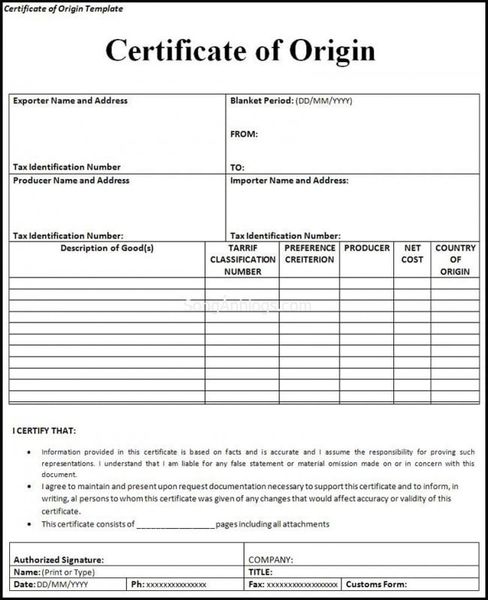
A C/O – Certificate of Origin – is a document used to prove the origin of goods and plays an important role in determining eligibility for preferential tariffs under Free Trade Agreements (FTAs).
However, not every imported shipment is required to have a C/O in order to clear customs. The key point is that a business needs to distinguish between the conditions for importing goods and the conditions for qualifying for a special preferential import duty rate.
What Is a C/O?
C/O stands for Certificate of Origin. This document shows that the goods were produced in, or originate from, a particular country or territory under the applicable rules of origin. A C/O can be used to:
- Prove the origin of goods.
- Determine eligibility for preferential tariffs.
- Apply special preferential duty rates under an FTA.
- Support origin verification of goods.
- Meet management requirements in certain specific cases.
At present, the rules on origin of goods in Vietnam are governed by a system of legal documents and by the specific rules of each FTA. The Ministry of Industry and Trade has also updated the regulations on issuing C/Os and on self-certification of origin.
In particular, Circular 40/2025/TT-BCT, effective from 01/07/2025, applies to the issuance of C/Os and the approval of self-certification of origin for exported goods.
Can Goods Without a C/O Be Imported?
Not every good imported into Vietnam is required to have a C/O in order to be imported. The C/O mainly relates to determining origin and applying tariff policy, especially special preferential duty rates under FTAs.
So when importing a shipment without a C/O, you need to consider at least two issues:
- First: Does that item fall into a case where an origin document must be presented under the rules?
- Second: Does the business want to use a C/O to benefit from a special preferential duty rate?
If the goods do not fall into a case that requires an origin document for import, and the business does not seek preferential tariff treatment under an FTA, the absence of a C/O does not necessarily mean the goods cannot clear customs.
Can You Benefit from Preferential Duties Without a C/O?
This is the issue a business really needs to watch. If you want to apply the special preferential import duty rate under an FTA, the goods must meet the rules of origin and the conditions for origin-certification documents under the agreement and related rules.
The Ministry of Industry and Trade states that an exporter needs to prove the goods meet the rules of origin through a C/O or a self-certification of origin document in order to enjoy preferential tariffs under the FTA.
- Therefore: No C/O does not mean the goods cannot be imported.
- But: Lacking an appropriate origin-certification document may mean the business does not meet the conditions to enjoy the special preferential duty rate under the FTA.
These are two entirely different issues.
How Does a C/O Affect Import Duty?
When importing goods, a business may have to consider different duty rates depending on origin, the tariff schedule and the applicable conditions. In simple terms:
No C/O → does not necessarily mean the goods cannot be imported → but you may not qualify for the special preferential duty rate.
If the goods: meet the rules of origin, have a valid origin-certification document, and meet the other conditions of the FTA, then the business may be considered for the special preferential duty rate under the corresponding agreement.
Conversely, without an appropriate origin document, the business may lack the basis to apply that special preferential rate.
Are All C/Os the Same?
No. Depending on the market and the trade agreement, the origin-certification document may come in different forms or certification methods.
Besides a C/O issued by a competent authority, some FTAs also have a self-certification of origin mechanism in cases that meet the conditions. A business should therefore not merely check "whether there is a C/O or not," but rather determine:
- Which country are the imported goods from?
- Is there an FTA between Vietnam and that country?
- Do the goods fall within the scope of the FTA?
- Do the goods meet the rules of origin?
- What type of origin document does the FTA require?
- Does that document meet the conditions on form, content and time of presentation?
Rules of origin can differ from one FTA to another, so you should not mechanically apply the rules of one agreement to another. The Ministry of Industry and Trade currently maintains a separate set of rules for each FTA and continues to update the regulations on origin of goods.
When Can a Business Import Without a C/O?
In practice, a business may encounter many cases where a C/O is not a mandatory condition for importing.
1. Not Seeking the FTA Duty Rate
If the business does not use preferential tariff treatment under a specific FTA and the goods do not fall into a case requiring an origin document under separate rules, a C/O may not be a mandatory document to complete import procedures.
A business needs to determine the product policy and the customs file applicable to each shipment, rather than assuming that every imported good must have a C/O.
2. Goods Not Eligible for Special Preferential Treatment
Not all imported goods fall within the scope of preferential tariff treatment from an FTA. If the goods do not meet the scope or conditions of a specific FTA, then a C/O for that FTA does not automatically bring a tariff benefit.
3. Another Origin-Certification Mechanism Exists
Some agreements allow the use of a self-certification of origin document instead of a traditional C/O form, if the business and the goods meet the agreement's conditions. A business therefore needs to check the applicable rules correctly, rather than merely asking the supplier for a "paper C/O."
When Is a C/O Especially Important?
When You Want a Special Preferential Duty Rate
This is the most common case. If the FTA rate is lower than the ordinary rate or the ordinary preferential rate, a C/O or an appropriate origin-certification document can help the business significantly reduce its duty costs.
When Goods Are Subject to Origin Control
The origin of goods carries significant weight in international trade management. The Ministry of Industry and Trade regards origin as the basis for applying many trade-policy tools to import-export goods. A business therefore needs to pay particular attention to origin for product groups subject to related management policies.

Will Customs Hold Goods Without a C/O?
It cannot be said that goods will be held simply because there is no C/O. The inspection and processing of a file depends on:
- The product policy.
- The type of import.
- The origin of the goods.
- The HS code.
- The conditions for preferential duty treatment.
- The business's file.
- Specialized management requirements.
- The specific rules applicable to each shipment.
If the C/O is only used to prove eligibility for the special preferential duty rate, the lack of a C/O may mainly affect the duty rate applied, and does not mean the goods are banned from import.
However, if an origin document is part of a mandatory management condition for a specific case, the business needs to complete the documentation in accordance with the rules before carrying out procedures.
Without a C/O, Can You Still Declare the Origin of Goods?
A business needs to distinguish a C/O from the origin information of the goods. A C/O is a type of document used to certify origin in applicable cases. The origin of goods, meanwhile, also relates to declaring and labeling the goods per the rules.
The Ministry of Industry and Trade notes that organizations and individuals that produce, export or import must determine and state origin truthfully, accurately and in compliance with the law. Therefore, the absence of a C/O does not mean a business can skip determining the origin of the goods.
What Should a Business Do When the Supplier Has No C/O?
When a supplier reports that it cannot provide a C/O, a business should not rush to conclude that the shipment cannot be imported. Check the following in order:
Step 1: Determine the HS Code
The HS code is an important basis for checking the product policy and the tariff schedule.
Step 2: Determine the Country of Origin
You need to determine where the goods actually originate, not just where they were shipped from.
Step 3: Check the FTA
Determine whether Vietnam has an FTA with the country or region of origin of the goods.
Step 4: Check the Conditions for Preferential Treatment
If the business wants a special preferential duty rate, it needs to check the corresponding rules of origin and origin-certification documents.
Step 5: Check Whether a Substitute Document Can Be Used
In some cases, a self-certification of origin mechanism or another form of document may apply under the FTA.
Step 6: Recalculate the Costs
If there is no appropriate document to obtain preferential treatment, the business needs to calculate the duty rate that may apply in order to determine the import cost accurately.
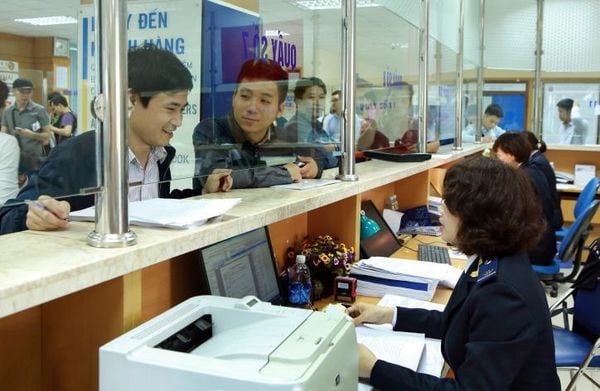
The Risks of Not Checking the C/O from the Start
- Higher Duties Than Expected: This is the most common risk. If a business estimates costs based on the FTA rate but ultimately does not qualify for preferential treatment, the total import cost can rise significantly.
- Delayed Clearance Due to Supplementary Documents: If the origin file relates to management policy or the right to preferential treatment, missing documents can force the business to supplement, explain or adjust the file.
- No Special Preferential Duty Rate: A C/O is not always a condition for goods to be imported, but it can be an important document for a business to prove its eligibility for preferential tariffs under an FTA.
5 Important Notes When Importing Goods Without a C/O
- Do not assume a C/O is a mandatory document for every shipment.
- Do not assume that no C/O means no import is possible.
- Distinguish import procedures from the conditions for FTA duty treatment.
- Check the rules of origin for the applicable FTA.
- Determine in advance the duty rate that may apply if there is no appropriate origin-certification document.
Checking before signing the contract helps a business avoid a situation where the goods are already loaded but it only then discovers it does not qualify for the expected preferential rate.
The Role of a Logistics Provider in Handling Goods Without a C/O
For shipments with complex requirements on origin and tariffs, a business should consult its logistics provider or customs agent right from the import-preparation stage. An experienced provider can help a business:
- Check the HS code.
- Determine the applicable tariff schedule.
- Check the product policy.
- Check the conditions for FTA duty treatment.
- Review the origin documents.
- Check consistency across the Invoice, Packing List, bill of lading and related file.
- Advise on how to proceed when the supplier has not yet provided a C/O.
- Support declaration and customs procedures.
In particular, for high-value shipments, checking the C/O and preferential conditions before the goods are shipped helps a business take firmer control of its budget and clearance plan.
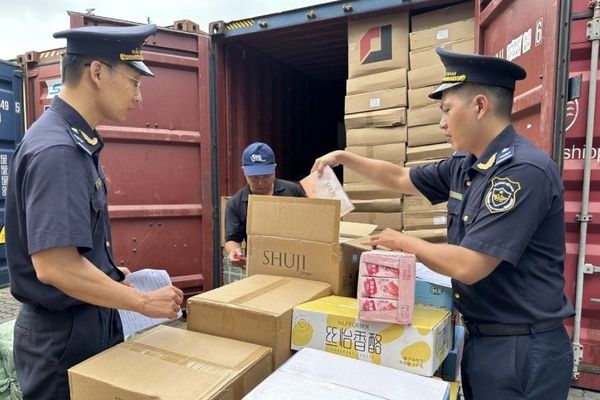
Conclusion
So, can goods without a C/O be imported? The answer is: they may be, because a C/O is not always a mandatory condition for importing every type of good into Vietnam.
Note, however, that the absence of a C/O or origin-certification document can affect the special preferential import duty rate under an FTA. An origin document is an important basis for proving that the goods meet the rules of origin when a business seeks preferential tariff treatment.
For each shipment, therefore, a business should check the HS Code – origin – FTA – rules of origin – origin-certification document – duty rate together. Preparing early not only limits duty-related risk but also avoids extra costs and delays in the clearance process.
Need a shipping quote?
Embassy Freight provides end-to-end sea freight, air freight and customs clearance. Get a free quote or explore our services.