
When carrying out import-export procedures, businesses are often keen to know whether their declaration will be assigned to the green, yellow or red channel. The channel result directly affects how documents are checked, how the physical goods are inspected and the clearance time.
However, channel assignment is not simply based on a single factor such as cargo value, business type or HS code. Customs authorities apply risk management, using information and data to assess the level of risk, the level of compliance and to select the appropriate inspection measure.
So what criteria does Customs use to assign a declaration to a channel? And what should a business keep in mind to reduce risk during clearance?
What Is Customs Declaration Channeling?
Declaration channeling is the process by which the Customs operating system determines the appropriate level of inspection for an import-export declaration, based on a risk-management mechanism. Typically, a business will encounter three main forms:
- Green channel: The declaration is accepted and the goods may be cleared or released under the applicable conditions.
- Yellow channel: Customs checks the documents and paperwork before deciding to clear the goods.
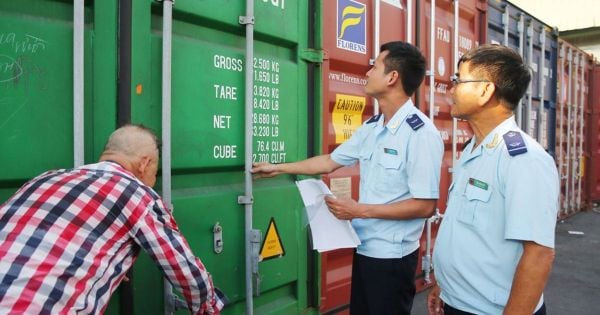
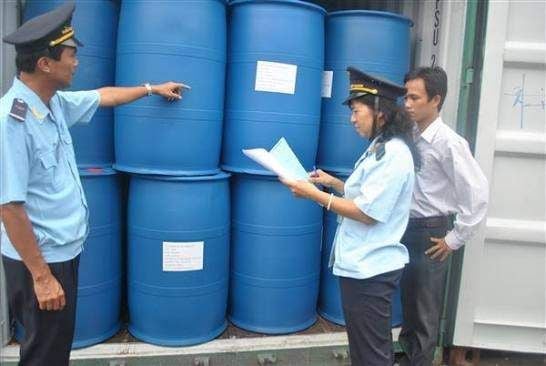
- Red channel: In addition to checking the documents, the goods may also be subject to a physical inspection under an inspection decision.
The red channel therefore does not mean the business has certainly committed a violation. It is a risk-control measure applied within the customs management system.

What Criteria Does Customs Use to Assign a Declaration to a Channel?
1. The Business's Level of Legal Compliance
This is one of the factors in the risk-management mechanism. Customs authorities can assess the customs declarant's history of legal compliance based on operational information and data.
The Customs Law provides that risk management includes building criteria, assessing compliance and classifying the level of risk in order to apply appropriate management measures. A business should therefore maintain:
- Accurate declarations.
- Consistent documents.
- Paying duties per the rules.
- Compliance with product policy.
- Full cooperation when Customs requests an inspection.
2. Information and Import-Export History
The risk-management system can use data related to import-export activity to support its assessment. Information about the business, the goods and the customs-procedure process can be aggregated and analyzed to identify the risk of non-compliance.
This also explains why a business with a stable operating history and good compliance may be assessed differently from one that frequently has problems.
3. Characteristics of the Goods
The characteristics of the goods are also a factor to consider in risk management. For example, product groups with special management requirements or a high risk of violation may attract more attention from Customs.
A business needs to determine accurately: the cargo name, composition, use, category, model, origin, HS code, and more. The clearer and more consistent the cargo description, the more it helps reduce the risk of problems during inspection.
4. HS Code and Product Management Policy
The HS code relates not only to duty but also potentially to specialized management policy. Depending on the item, a business may have to meet requirements on: permits, quality inspection, quarantine, food safety, specialized inspection, and more.
If a business declares the wrong HS code or gives an unsuitable cargo description, the declaration may trigger an inspection or adjustment requirement. This is also why determining the HS Code accurately from the outset is so important for import-export activity.
5. Customs Value and Transaction Information
For imported goods, the customs value is an important element in the declaration and duty calculation. Information related to: the purchase price, delivery terms, transport costs, insurance and the adjustments required under the rules, needs to be declared appropriately.
Cases showing unusual signs in value or transaction information may need to be reviewed and inspected under the risk-management mechanism.
6. Origin of Goods
Origin can affect: preferential duty rates, special preferential duty rates, rules of origin under an FTA, management policy for certain items, and more. A business therefore needs to ensure the origin information on the file, documents and declaration is consistent.
Especially for shipments that use a C/O to obtain preferential tariffs, a business needs to check the validity of the document carefully.
7. Type of Import-Export
Each type of import-export has a different purpose and management rules. Some common types include:
- Import for business.
- Export for business.
- Processing.
- Manufacturing for export.
- Export-processing enterprises.
- Import of machinery and equipment for projects.
Choosing the correct type and declaring the correct purpose of use helps a business limit errors in the file.
8. Inspection Results and Risk-Management Information
Channeling is not considered only at the moment an individual declaration is opened. Customs authorities apply operational information systems to integrate and process data for risk management.
Inspection results, violation information and related data can be used in the risk-assessment process. An official letter from the Ho Chi Minh City Customs Department also makes clear that channeling is carried out on the basis of the risk-management mechanism and an assessment of the business's legal compliance.
9. Risk Indicators in Import-Export Activity
The risk-management mechanism aims to identify the risk of non-compliance with customs law. Unusual indicators may relate to:
- Inconsistent declarations.
- Discrepancies between the file and the actual goods.
- Unclear cargo descriptions.
- Problematic value declarations.
- Incorrect origin.
- Incorrect HS code declaration.
- A history of violations.
A business needs to understand that there is no fixed, fully public list of criteria that will certainly send a declaration to the red channel. The risk-management system is built and operated on the basis of data, operational criteria and the level of risk.

How Do the Green, Yellow and Red Channels Differ?
| Criterion | Green channel | Yellow channel | Red channel |
| Document check | Per the applicable regime | Yes | Yes |
| Physical inspection of goods | Usually not | Usually not | Possibly |
| Level of inspection | Low | Medium | Higher |
| Likelihood of added processing time | Lower | Possibly higher | Usually higher |
A business should not take it that the green channel always means no inspection or that the red channel means the business is in violation. The level of inspection is decided on the basis of the risk-management mechanism and the rules applicable to each case.
What Can You Do to Reduce Risk in Customs Declaration?
A business can proactively raise its level of compliance by:
- Standardizing the File: Commercial Invoice, Packing List, Bill of Lading, C/O, contract, customs declaration.
- Checking the HS Code: Do not select an HS code based only on the trade name or on the code provided by the foreign supplier.
- Declaring the Correct Value: Check the related cost items and delivery terms to ensure the declared value is appropriate.
- Keeping Policy Up to Date: duty, HS code, origin, permits, specialized inspection.
- Retaining Complete Records: Under the Customs Law, the customs declarant is responsible for retaining records for cleared goods for 5 years from the date the declaration is registered, unless the law provides otherwise.
Can a Business Choose Its Own Declaration Channel?
No. A business cannot choose the green, yellow or red channel itself. The channel result is produced through the Customs authority's operating system on the basis of risk management.
What a business can control is raising its level of compliance, declaring accurately, preparing a complete file and limiting the errors that can lead to an inspection.
Conclusion
Customs assigns declarations to channels on the basis of a risk-management mechanism, which includes collecting and processing information, assessing the customs declarant's level of compliance, the characteristics of the goods and the factors related to the risk of non-compliance.
A business cannot know or control all the operational criteria the system uses for channeling. However, a business can reduce risk by building an accurate declaration process and controlling the HS Code, value, origin and documents, while fully complying with customs regulations.
A professional declaration process not only helps limit the likelihood of an inspection but also contributes to shortening clearance time, reducing logistics costs and keeping import-export activity stable. Contact Embassy Freight now at Hotline: 0936911656 for prompt advice and a quotation!
Need a shipping quote?
Embassy Freight provides end-to-end sea freight, air freight and customs clearance. Get a free quote or explore our services.